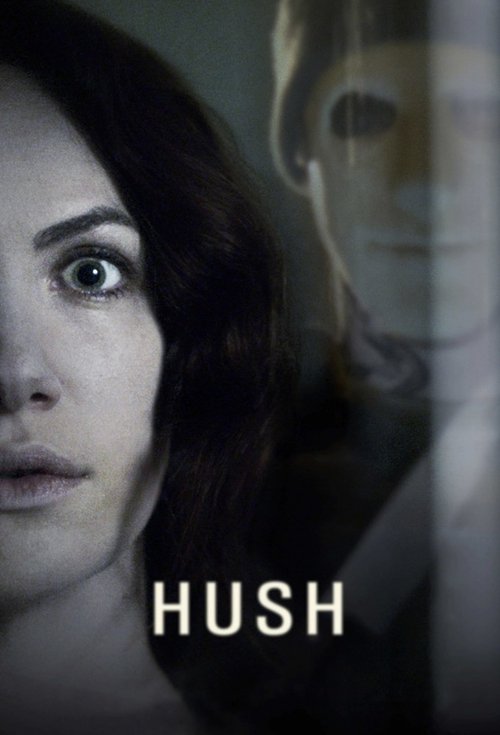
Hush (2016)
Directed by Mike Flanagan
No · Based
How we score movies →Consciousness Markers
Kate Siegel, a deaf actress, plays the deaf protagonist Maddie Young. This represents genuine casting of a disabled performer in a lead role rather than hearing actor casting.
The female protagonist is active and resourceful rather than passive, making tactical decisions and fighting back. However, the film operates within genre conventions rather than critiquing them.
Deafness is portrayed respectfully as part of the protagonist's identity, but the film does not interrogate systemic barriers or accessibility issues surrounding disability.
The film is primarily focused on genre mechanics and survival narrative. Any social messaging emerges implicitly from casting and framing choices rather than explicit commentary.
No LGBTQ+ characters, themes, or representation present in the film.
No engagement with racial themes, racial consciousness, or examination of how race intersects with the narrative.
No climate-related themes or environmental consciousness present in the film.
No critique of capitalism, wealth inequality, or systemic economic structures present.
No body positivity themes or commentary on body image and beauty standards present.
No historical elements or revisionist historical perspectives present in this contemporary thriller.


Synopsis
A deaf woman is stalked by a psychotic killer in her secluded home.
Why it received this score
Hush represents a competent exercise in progressive casting choices without committing to systemic social critique. Mike Flanagan's home invasion thriller centers a deaf protagonist played by actress Kate Siegel, who herself is deaf, marking a departure from the industry standard of casting hearing actors in disability roles. The film treats deafness as an integral narrative element rather than a plot vulnerability, emphasizing the protagonist's resourcefulness and agency throughout her struggle against an intruder.
The film's approach to its female protagonist deserves recognition within the context of horror cinema. Maddie Young functions as an active survivor rather than a passive victim, making tactical decisions and fighting back against her attacker with intelligence and determination. The narrative refuses the exploitative spectacle of violence that often characterizes the genre, instead using technical filmmaking choices, particularly the strategic use of sound design and silence, to generate tension from the protagonist's perspective.
Yet the film remains fundamentally a genre exercise, content to work within established thriller conventions rather than interrogate them. It offers no examination of systemic barriers facing deaf individuals, no commentary on accessibility or social infrastructure, and no engagement with the structural vulnerabilities that render disabled people disproportionately targeted for violence. The representation, while respectful and well-executed, functions as enlightened casting rather than social consciousness, and the film expends no energy questioning the systems that necessitate such representation as remarkable.
Analysis generated by our Consciousness Algorithm
Critic Reviews
“The kind of movie where you walk in, watch the first 10 minutes, know exactly where it's going, and hope devoutly that you're wrong.”
“Unfortunately, almost everything about the film is so unbelievable and misjudged that only the most gullible audiences will feel any transporting thrill at the end other than from the movie finally being over.”
“[Lange] does give the movie the only excitement it possesses -- the frisson of a hideous thrill -- but it's still an excruciating embarrassment.”
“The movie... hasn't the foggiest notion whether it's a soap opera or a horror film, and wanders around in a generic fog.”