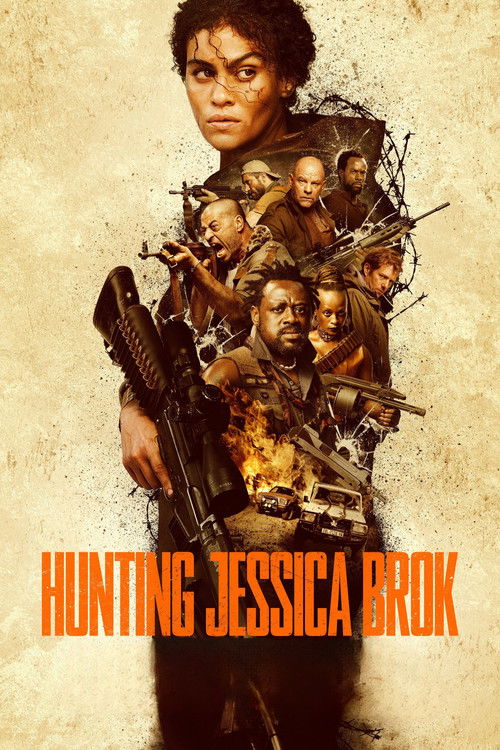
Hunting Jessica Brok (2025)
Directed by Alastair Orr
No · Based
How we score movies →Consciousness Markers
The film features a diverse South African cast with a female lead, reflecting regional demographics and promoting female action heroes. However, this appears driven by commercial casting rather than explicit progressive intent.
While the protagonist is female and capable, the narrative does not interrogate gender dynamics or systemic sexism. Her agency exists within a traditional revenge framework rather than challenging patriarchal structures.
The film appears to prioritize action and emotional authenticity over preachy messaging. Any social commentary remains implicit rather than explicit or preachy.
The South African setting and diverse cast do not translate into explicit racial consciousness or critique of colonial or post-colonial power dynamics. The setting functions primarily as backdrop and source of action sequences.
The film operates within standard action thriller frameworks involving individual heroes versus antagonists. No critique of economic systems, corporate power, or wealth inequality present.
While set in South Africa, the film does not appear to engage with historical re-examination or revisionist narratives about the nation's complex past or present.
References to conservation work in plot descriptions suggest minimal environmental consciousness. No evidence of climate messaging or systemic environmental critique in the narrative.
As a conventional action film, the narrative likely emphasizes physical prowess and combat capability without engaging with body diversity or positive representation of varied body types.
No LGBTQ+ themes, representation, or subtext detected in available plot summaries or critical reception. The film centers on a heterosexual romantic subplot.
No indicators of neurodivergent representation or themes in plot summaries or critical coverage of the film.


Synopsis
Long before she was a single mother in a sleepy South African town, Jessica Brok was a highly skilled, coldblooded, special ops assassin. She thought she'd left that life behind. She thought her last ill-fated mission was her last. She thought wrong.
Why it received this score
Hunting Jessica Brok occupies that peculiar territory where a film's surface-level demographics can be mistaken for ideological commitment. Here we have a female protagonist who carries both rifle and maternal instinct, positioned within a South African action narrative that trades heavily on the authenticity of its regional setting and cast. The film's marketing emphasizes Danica Jones as the next evolution of the local female action hero, a designation that carries certain cultural weight in contemporary cinema discourse. Yet beneath this veneer of representation lies a fundamentally traditional revenge thriller that prioritizes kinetic spectacle and personal vengeance over any systematic critique of power structures or institutional violence.
The narrative architecture proves telling. Jessica Brok's trauma stems from a personal betrayal and a botched military operation, not from systemic oppression or social inequality. She fights to protect her daughter and restore her life to domestic peace, objectives that are conservative in nature. The film presents her violence as justified and necessary, but never questions the apparatus that created her as a weapon in the first place, nor does it interrogate the colonial or post-colonial dimensions of South African military operations. The South African setting functions primarily as exotic backdrop and source of wilderness obstacles rather than as a space for meaningful cultural or political engagement.
Where the film might have earned higher marks is in its integration of a diverse ensemble cast and its apparent willingness to center a female protagonist in the action genre. However, these choices read as professional diversity rather than progressive conviction. The cast reflects South African demographics naturally enough, and the female lead exists not as a statement about gender equity but as a proven box office formula in contemporary action cinema. Hunting Jessica Brok is competently made and apparently entertaining, but it mistakes representation for consciousness and confuses having a capable female protagonist with having something to say about anything at all.
Analysis generated by our Consciousness Algorithm
Critic Reviews
“HuntingJessicaBrokis a relentless, fast-paced thrill ride from start to finish. South African director Alastair Orr delivers an action spectacle that rivals Hollywood, and the cast - packed with incredibly talented South African actors - bring grit, heart, and authenticity to every scene.”
“One of the best actions to come out of South Africa,HuntingJessicaBrokdelivers on great local stunt work and some surprisingly entertaining gore.”
“It's all amply paced and interwoven together inHuntingJessicaBrok, delivering a refreshing, emotive and enduring and action flick, and with a fierce headlining talent in Jones for a saga that, in this critic's view, feels like the start of a necessary twofer.”
“Jessica, for example, takes more damage than any normal human could be expected to survive. She takes an arrow right through the thigh, and basically shrugs it off, while stepping on a grenade booby-trap leaves her with little more than slight tinnitus.”