Hugo (2011)
Directed by Martin Scorsese
No · Ultra Based
How we score movies →Consciousness Markers
The cast is predominantly white in a historical 1930s Paris setting. No contemporary casting consciousness is evident.
No LGBTQ+ themes, characters, or representation are present in the narrative.
While Chloë Grace Moretz has a supporting role, no feminist agenda or gender-focused commentary structures the film.
The film does not engage with racial consciousness or contemporary discussions of race and identity.
No climate change themes or environmental messaging are present.
Despite the embittered toy merchant, the film does not critique capitalism or advance anti-capitalist ideology.
No body positivity themes or commentary on body image are present.
While Hugo is isolated, the film does not explicitly engage with neurodivergence as a thematic element.
The film honors actual film history rather than revising it, celebrating Georges Méliès and early cinema as they were.
While the film educates about cinema history, it does not preach or lecture about contemporary social issues.


Synopsis
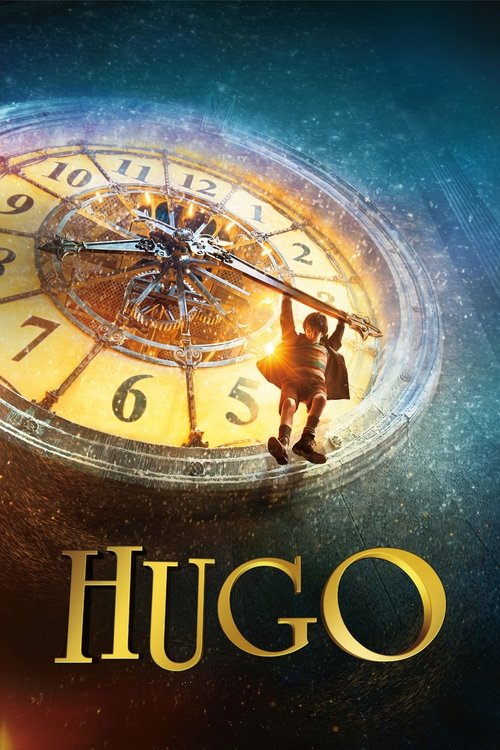
Orphaned and alone except for an uncle, Hugo Cabret lives in the walls of a train station in 1930s Paris. Hugo's job is to oil and maintain the station's clocks, but to him, his more important task is to protect a broken automaton and notebook left to him by his late father. Accompanied by the goddaughter of an embittered toy merchant, Hugo embarks on a quest to solve the mystery of the automaton and find a place he can call home.
Why it received this score
Hugo is a children's adventure film wrapped in Scorsese's reverent homage to early cinema and the legacy of Georges Méliès. It is fundamentally a work of nostalgia, a museum piece animated with genuine affection for the origins of film as an art form. The narrative concerns a boy maintaining station clocks and solving the mystery of a mechanical automaton in 1930s Paris, which is to say it concerns itself with preservation, legacy, and the magical properties of human ingenuity. These are lovely themes, worthy of the considerable technical artistry on display.
The film exhibits not a trace of contemporary progressive consciousness. It was made in 2011 for a family audience, before the cultural flashpoints that would come to define modern social discourse. The cast is predominantly white, the gender dynamics are unremarkable, and the social commentary, such as it exists, concerns only the preservation of cinema itself. One might note that the toy merchant character, played by Sacha Baron Cohen, relies on ethnic stereotype for comedic effect, but this reflects 2011 filmmaking norms rather than any deliberate engagement with identity politics.
What we have here is a straightforward cultural artifact: a technically accomplished film about the importance of film history, made by a director who has spent his career contemplating cinema's relationship to society. It makes no claims about social justice, advances no theses about contemporary inequality, and asks its audience only to appreciate the wonder of early cinema and the resilience of childhood. One must respect the refusal to preach, even if there is nothing particularly interesting to analyze through the specific lens of modern cultural awareness.
Analysis generated by our Consciousness Algorithm
Critic Reviews
“A fabulous and passionate love letter to the cinema and its preservation framed by the strenuous adventures of two orphans in 1930s Paris.”
“In attempting to make his first film for all ages, Martin Scorsese has fashioned one for the ages. Simultaneously classical and modern, populist but also unapologetically personal, Hugo flagrantly defies the mind-numbing quality of most contempo kidpics. ”
“Magical and imaginative, this eye-popping masterpiece from director Martin Scorsese will transport audiences to a place they won't believe.”
“Visually Hugo is a marvel, but dramatically it's a clockwork lemon.”