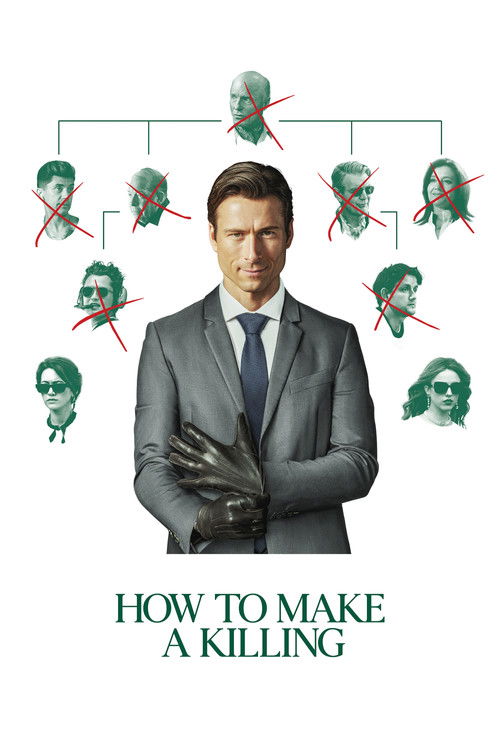
How to Make a Killing (2026)
Directed by John Patton Ford
No · Based
How we score movies →Consciousness Markers
The film explicitly critiques wealth and positions the wealthy family as targets for elimination by a blue-collar protagonist. However, this critique remains surface-level satire rather than systemic examination.
The cast includes female actors in substantive roles (Margaret Qualley, Jessica Henwick) and maintains reasonable gender balance in the ensemble, though the narrative centers entirely on Powell's male protagonist.
The film contains class commentary and anti-wealth messaging but stops short of preachy preaching. The satire remains relatively light and entertainment-focused rather than preachy.
The cast includes Jessica Henwick, signaling some racial diversity in casting, but the film shows no evidence of centering race or exploring racial dynamics in its class warfare narrative.
While female characters are present, the narrative structure privileges the male protagonist's ambitions and scheming. No substantive feminist critique or gender-conscious storytelling emerges from the plot.
The film relies on conventional Hollywood attractiveness standards, particularly for its lead actor. No evidence of body diversity or body positivity messaging.
No evidence of LGBTQ+ themes or representation in the available materials. The film's focus on inheritance and class warfare does not incorporate sexual orientation or gender identity as narrative elements.
No climate-related themes, environmental consciousness, or ecological critique are present in this inheritance-focused thriller.
No representation of neurodivergence or disability in the available information about this film.
This contemporary thriller contains no historical elements or revisionist historical claims.
Synopsis
Disowned at birth by his obscenely wealthy family, blue-collar Becket Redfellow will stop at nothing to reclaim his inheritance, no matter how many relatives stand in his way.
Why it received this score
How to Make a Killing attempts to wield class consciousness as a satirical cudgel, positioning itself as a commentary on wealth, entitlement, and the lengths people will go for financial advancement. The film's loose adaptation of Kind Hearts and Coronets updates the inheritance murder plot for an era supposedly more attuned to economic inequality, yet the execution reveals the limitations of satirizing capitalism through the lens of a charming antihero murdering his way through a family tree. Director John Patton Ford's previous work, Emily the Criminal, explored economic precarity with considerably more nuance, and this venture into darker comedy feels diffuse by comparison.
The casting of Glen Powell, a conventionally attractive actor with natural charisma, serves as the film's primary social commentary device. Powell weaponizes his appeal in service of moral corruption, which functions as a mild critique of how charm and looks facilitate social mobility regardless of character. The supporting cast includes Margaret Qualley and Jessica Henwick, whose presence suggests some attention to gender balance in the ensemble, though their roles remain secondary to Powell's central scheming. The film positions its wealth as the true villain, but this remains surface-level critique without deeper interrogation of systemic structures.
What distinguishes this film from a higher woke score is its lack of substantive engagement with identity politics, representation consciousness, or progressive social frameworks. The class warfare angle, while present, lacks the ideological commitment necessary to register as genuine progressive social critique. The film functions primarily as a dark comedy thriller with vaguely anti-capitalist window dressing rather than as a work animated by contemporary social consciousness. The corpse count and moral nihilism of its protagonist take precedence over any meaningful examination of inequality or systemic critique.
Analysis generated by our Consciousness Algorithm
Critic Reviews
“Like its bloodline kin, it’s a perfectly scathing glance at power, money, and how the love of both can curdle the soul.”
“How to Make a Killing has the acuity to know that even if you are willing to play such a rigged game in ruthless fashion, you’ll still lose. The film’s magic trick is taking this bleak idea and knowing how to find the fun in such brutal sport.”
“How to Make a Killing has the acuity to know that even if you are willing to play such a rigged game in ruthless fashion, you’ll still lose. The film’s magic trick is taking this bleak idea and knowing how to find the fun in such brutal sport.”