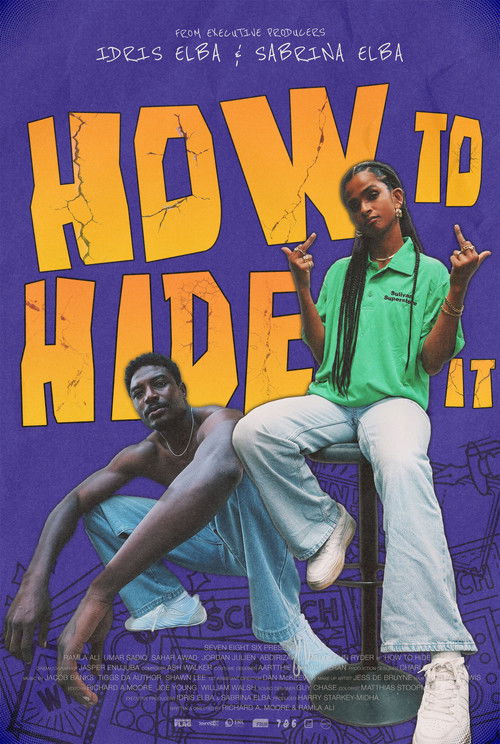
How To Hide It (2026)
Directed by Ramla Ali
Partly · Woke-Adjacent
How we score movies →Consciousness Markers
The film centers a young Muslim woman protagonist and appears to cast actors with authentic connections to the communities depicted. The director herself is a Somali-British refugee-turned-filmmaker, lending credibility to the representation.
The film is directed by and centers characters from refugee and immigrant communities. The specificity of depicting a Somali-British Muslim woman suggests cultural awareness, though the short format limits depth of exploration.
The film centers a woman's interior life and agency, particularly her personal struggle with temptation and faith following a breakup. Her perspective drives the narrative rather than serving as decoration.
The lottery ticket serves as a symbol of material temptation and escape from economic constraint, positioning consumer capitalism as a spiritual trap. However, this critique is implicit rather than explicit.
While the film engages with religious and ethical themes, it avoids preachy moralizing. The ambiguous ending and focus on Zahra's interiority prevent heavy-handed messaging, though the spiritual conflict inherently carries some thematic weight.
No LGBTQ+ themes are evident in the available plot summary or description of this short film.
No climate-related themes are present in this character-driven spiritual drama focused on personal ethical choices.
Body positivity themes do not appear relevant to this short film's focus on spiritual and ethical conflict.
No neurodivergence representation is evident in the available information about this film.
This is a contemporary character study with no historical elements requiring revisionist interpretation.
Synopsis
A moment of weakness after a humiliating breakup leads Zahra, a young Muslim woman to play a forbidden lottery ticket. Her chance at escape becomes a spiritual crisis. While her coworker dreams of riches, she's certain Allah is watching and waiting.
Why it received this score
This thirteen-minute short film occupies an interesting position in contemporary cinema, functioning simultaneously as character study and theological meditation. Ramla Ali, herself a refugee-turned-boxer-turned-filmmaker, crafts a narrative that treats Islamic faith not as exotic backdrop but as genuine internal conflict. The film does not condescend to its protagonist by suggesting her religious convictions are quaint obstacles to overcome. Rather, it presents Zahra's spiritual consciousness as the central drama, the real stakes. The tension between material temptation and religious obligation feels earned rather than imposed.
The film's approach to representation deserves examination. Ali has cast actors who appear to have authentic connections to the communities depicted, and crucially, she does not treat Muslimness as a lesson to be learned by the audience. This is refreshingly different from much contemporary cinema that positions marginalized characters as educational props. Zahra's breakup, her coworker's different priorities, her internal conflict over the lottery ticket, these are presented as human complications rather than opportunities for moral instruction. The specificity of Islamic ethical frameworks feels respected rather than mocked or simplified.
Yet the film's progressive sensibilities remain evident in its fundamental approach: a young Muslim woman as protagonist, her agency and interiority centered, her faith presented as legitimate even as it creates personal tension. The short offers no easy resolution, no reassuring arc of either abandonment or reinforcement of belief. What results is ambiguity and lived complexity. For a 2026 film directed by a woman of color exploring the interior life of a Muslim character without condescension, this represents a modest but genuine engagement with contemporary cultural awareness, though the short format and limited scope prevent a higher score.
Analysis generated by our Consciousness Algorithm