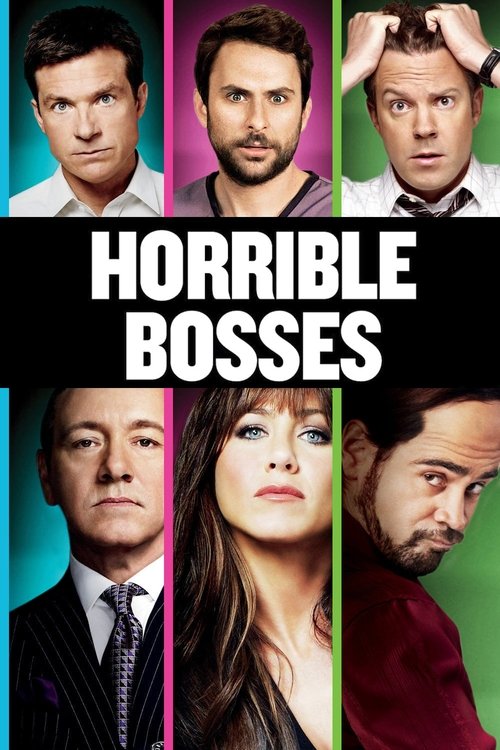
Horrible Bosses (2011)
Directed by Seth Gordon
No · Ultra Based
How we score movies →Consciousness Markers
The film includes minority actors in supporting roles (Jamie Foxx, Colin Farrell) but they function primarily as comedic props rather than meaningful representation. The narrative centers three white male protagonists.
Jennifer Aniston's character is a predatory female boss, but the portrayal is comedic rather than feminist. No meaningful examination of gender dynamics or women's experiences.
While the film depicts workplace dysfunction and abusive employer-employee relationships, it frames these as individual problems rather than systemic critique. No structural analysis of capitalism present.
No LGBTQ+ themes, characters, or representation present in the film.
The film contains no engagement with racial consciousness, racism, or racial dynamics. Minority characters are present but not in contexts addressing racial themes.
No climate-related themes or environmental messaging present in the film.
No body positivity messaging or representation of diverse body types in a celebratory context.
No representation of neurodivergent characters or themes related to neurodiversity.
The film contains no historical elements or revisionist historical narrative.
The film makes no attempt to educate or lecture audiences about social issues. Comedy is the sole objective.


Synopsis
For Nick, Kurt and Dale, the only thing that would make the daily grind more tolerable would be to grind their intolerable bosses into dust. Quitting is not an option, so, with the benefit of a few-too-many drinks and some dubious advice from a hustling ex-con, the three friends devise a convoluted and seemingly foolproof plan to rid themselves of their respective employers... permanently.
Why it received this score
Horrible Bosses is a 2011 workplace comedy that follows three white-collar workers plotting to murder their abusive bosses. The film features a diverse supporting cast including Jamie Foxx, Colin Farrell, and Kevin Spacey, but these characters exist within a conventional comedy framework focused on the three male protagonists. The humor derives from crude situations, sexual jokes, and workplace absurdity rather than from any examination of systemic power structures or progressive social consciousness.
The film operates entirely within the logic of individual agency and personal grievance. There is no attempt to educate audiences about social injustice or systemic oppression. The humor is anarchic and transgressive in the style of early 2010s comedy, which operated according to different cultural rules. Body positivity, neurodivergence representation, revisionist history, LGBTQ+ themes, and anti-capitalist messaging are all entirely absent. While the film depicts workplace dysfunction, it does so through the lens of personal suffering rather than structural critique.
This is a cultural artifact that predates the contemporary moment of progressive consciousness. It functions as a time capsule of comedy sensibilities from the pre-woke era, when such films could operate with minimal concern for representation or social messaging. Viewed through that lens, it remains a competent ensemble comedy that prioritizes laughs over enlightenment.
Analysis generated by our Consciousness Algorithm
Critic Reviews
“The funniest comedy of degeneracy since "Bad Santa," and a career-changer for Aniston and Farrell if they'll only keep following their perverted muses. Horrible Bosses spins hostile work environments into a movie surpassing "9 to 5" and "Office Space" as the touchstone flick for disenchanted drones.”
“A bouncy, well-built, delightfully nasty tale of resentment, desperation, and amoral revenge that does for employer-employee relations what Danny DeVito and Bette Midler did for the bonds of matrimony in the great 1986 Zucker brothers comedy "Ruthless People." ”
“Markowitz, Daley and Goldstein sounds like a New York firm that delivers financial advice, but they're asking you to invest only $9 of your cash and 100 minutes of your time. They have written the funniest movie I've seen this year in Horrible Bosses. ”
“Horrible Bosses has preposterousness to burn, but no finesse and no interest in having any.”