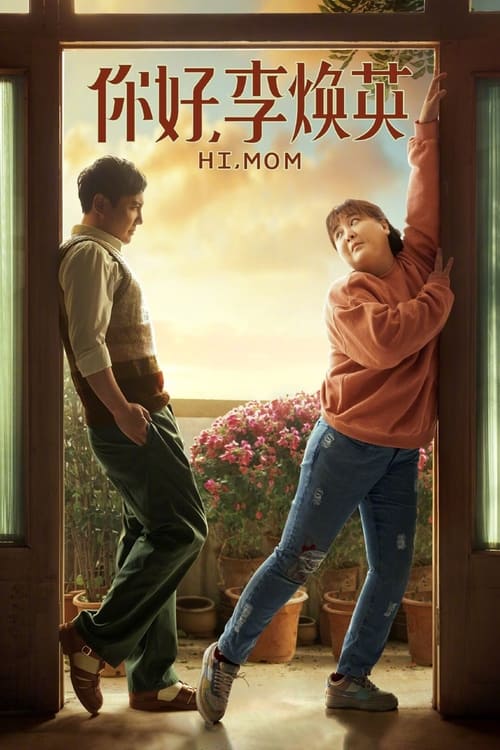
Hi, Mom (2021)
Directed by Jia Ling
No · Ultra Based
How we score movies →Consciousness Markers
Female director and protagonist in leading role, though representation is not framed as a statement about systemic barriers or diversity quotas. The casting reflects narrative need rather than conscious progressive casting strategy.
The film centers female emotional experience and the mother-daughter bond, but does not deploy feminist ideology or critique patriarchal structures explicitly. Gender dynamics are explored through personal relationships rather than systemic analysis.
The film is set in 1981 China with Chinese characters, but this reflects the setting rather than conscious engagement with racial or ethnic justice themes. No explicit commentary on racial consciousness or systemic racism appears in the narrative.
The 1981 setting allows for gentle observation of historical gender roles and social change, but the film does not engage in pointed historical revision or reframing of historical events through contemporary political lenses.
While the film does not shame or critique bodies, it also makes no explicit effort toward body positivity messaging or challenging beauty standards. Bodies appear simply as bodies.
The film prioritizes emotional experience and character development over preachy messaging. While it conveys themes about family and redemption, it does so through narrative and emotion rather than explicit sermonizing.
No LGBTQ+ themes, characters, or content present in the film. The narrative focuses exclusively on heterosexual family relationships.
No climate-related messaging, environmental themes, or ecological consciousness present in the film.
The film contains no anti-capitalist messaging, critiques of wealth inequality, or systemic economic commentary. Economic systems are not a thematic concern.
No neurodivergent characters, representation, or themes related to autism, ADHD, or other forms of neurodivergence appear in the film.
Synopsis
Devastated after her mom's serious accident and grief-stricken because she hasn't become the daughter she wanted to be for her mother, Jia Xiaoling finds herself transported back in time to the year 1981, where she meets her young mother before she was her mom.
Why it received this score
Here we have a film that achieved the remarkable distinction of becoming the highest-grossing picture directed by a woman globally, a milestone that arrived not through militant declaration but through the simple mathematics of box office returns. Yet this achievement, while genuinely historic, should not be confused with the particular sensibilities we are tasked with measuring. "Hi, Mom" is a film about maternal relationships, intergenerational understanding, and the quiet ache of failing to become what our parents hoped. These are noble themes, certainly, and the film's emotional architecture rests upon them with care.
The film does feature a female director and a female protagonist in a position of narrative agency, which accounts for some modest baseline representation scoring. However, the narrative itself does not deploy these facts as statements about systemic inequality or structural barriers. The mother-daughter bond is explored with emotional specificity rather than ideological framework. The story operates in the register of personal redemption and familial reconciliation, not social commentary. The 1981 timeframe allows for some gentle observation of changing gender roles in Chinese society, but this emerges organically from the period setting rather than through pointed historical revision.
What prevents a higher score is the film's fundamental disinterest in the specific markers of contemporary progressive consciousness. There is no LGBTQ+ content, no climate messaging, no deliberate body positivity agenda, no neurodivergent representation, and no lecture energy about systemic injustice. The film asks us to feel, not to understand our feelings as symptoms of larger structural failures. It is, in this sense, a work of an earlier emotional register, even if it was made in 2021. The film succeeds admirably at what it attempts, but what it attempts exists largely outside our measurement apparatus.
Analysis generated by our Consciousness Algorithm
Critic Reviews
“But amid stern competition from big budget action films, one bittersweet movie about a mother-daughter relationship won the nation's heart. Hi,Mom, directed by Jia Ling, one of China's leading female sketch comedians, and made in memory of her late mother, has been a huge hit.”
“All supporting roles are well-drawn & finely acted. And the central relationship is captured with honesty. Still, its pacing is uneven at times and it sure is overlong. Overall, Hi,Mom makes for a lovely tribute from a daughter to her mother and brims with all the ingredients that's required for it to be a crowdpleaser.”
“Nonetheless, the criticism that the main role is possibly mis-cast is a valid one. There are some rough edges to the overall production that are very acceptable considering this is her directorial debut. The main premise is simple, based on universally relatable mother daughter themes.”
“'Hi,Mom' is a film that holds a lot of heart thanks to how serious it can get plot-wise, though as well manages to blend in a fair amount of comedy too – the language barrier on my part does probably hamper it slightly as you'd expect, but even I got some chuckles out of it.”