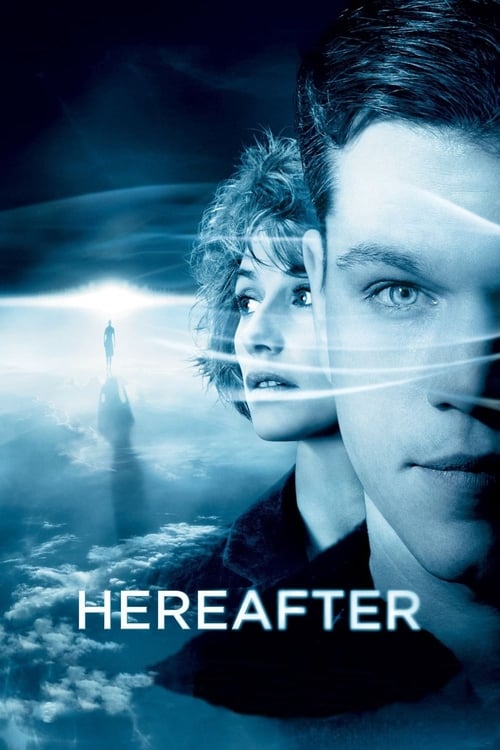
Hereafter (2010)
Directed by Clint Eastwood
No · Ultra Based
How we score movies →Consciousness Markers
The film features international casting with French, British, and American characters, but this serves primarily as geographic backdrop rather than genuine representation or commentary on cultural identity.
The film occasionally lapses into preachy spirituality, particularly in scenes where characters discuss the mechanics of the afterlife, though this remains relatively restrained for Eastwood.
No LGBTQ+ themes or characters present in the film.
While Cécile de France carries a significant narrative thread, the film contains no feminist agenda or commentary on gender dynamics.
The film does not engage with racial consciousness or interrogate racial identity in any meaningful way.
While the film opens with a devastating tsunami sequence, it is used only as narrative catalyst rather than climate commentary or environmental consciousness.
No anti-capitalist themes or critique of economic systems present in the film.
No body positivity messaging or commentary on physical appearance standards.
No representation or discussion of neurodivergence in the film.
The film contains no historical narrative or revisionist approach to historical events.


Synopsis
Three people — a blue-collar American, a French journalist and a London school boy — are touched by death in different ways.
Why it received this score
Hereafter exists as a peculiar artifact of early 2010s cinema, a Clint Eastwood meditation on mortality that mistakes spiritual earnestness for thematic depth. The film assembles its three protagonists across continents and circumstances, yet treats their grief with the kind of solemn universalism that reduces rather than expands understanding. We are given a French woman, a British boy, and an American factory worker, but their international composition serves primarily as a travelogue rather than any genuine engagement with cultural or social difference. The casting functions as geographic decoration.
The film's most revealing moment arrives when Matt Damon's character, a reluctant psychic, is portrayed as someone burdened by his supernatural gift and seeking normalcy through romantic connection. This framing, while emotionally sympathetic, never interrogates the mechanics of his ability or positions him within any framework beyond the personal. His working-class status is noted but never examined. Similarly, Cécile de France's journalist character exists to experience trauma rather than to investigate or critique the systems surrounding her. The London storyline involving grieving twins offers perhaps the film's only genuine attempt at emotional specificity, yet it too remains locked within a universal framework of childhood loss rather than any particular social context.
The film's woke positioning emerges primarily from its international cast composition and its embrace of spirituality as a universalizing force that transcends cultural boundaries. However, this universalism actively prevents deeper engagement with representation or social consciousness. The score remains modest because the film simply does not attempt to grapple with the markers that define contemporary progressive cultural sensibility. It is a work of 2010 spiritual drama, not a work of social commentary, and should be evaluated accordingly.
Analysis generated by our Consciousness Algorithm
Critic Reviews
“This is a film for intelligent people who are naturally curious about what happens when the shutters close. ”
“What's much more fascinating and enriching is Eastwood's Olympian vision, the sympathetic and all-encompassing understanding of the pain and grandeur of life on earth. ”
“This is quiet but potent filmmaking that believes nothing is more important than the story it has to tell.”
“It doesn't help that Eastwood's laconic style is as torpid as it was in such misfires as "Midnight in the Garden of Good and Evil" and "Changeling." ”