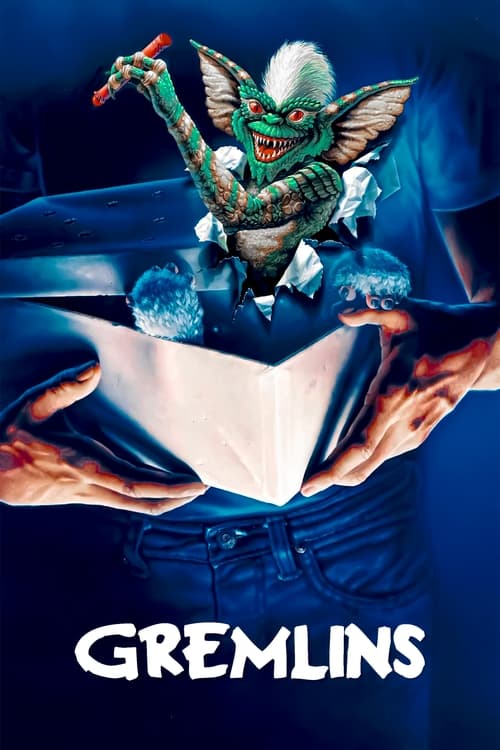
Gremlins (1984)
Directed by Joe Dante
No · Ultra Based
How we score movies →Consciousness Markers
The film contains implicit satire of Christmas consumerism and gift-giving culture, though this critique remains comedic rather than serious or systemic in nature.
The cast includes actors of color in supporting roles, though their presence reflects 1980s casting norms rather than intentional diversity work. Characters are not defined by racial identity.
The film's satirical tone occasionally approaches social commentary about consumerism, but remains primarily comedic and avoids preachy messaging.
Female characters are limited to love interest and town gossip archetypes. Kate has minimal agency, and the film shows no interest in examining gender dynamics or female empowerment.
Characters of color appear without commentary on race. The film treats racial diversity as incidental rather than meaningful to its narrative.
No LGBTQ themes, characters, or representation present in the film.
No environmental themes or climate consciousness present in the film.
No engagement with body representation or positivity. The film treats physical appearance conventionally without commentary.
No representation of neurodivergent characters or themes in the film.
The film contains no historical revisionism or alternative interpretations of historical events.


Synopsis
After receiving an exotic small animal as a Christmas gift, a young man inadvertently breaks three important rules concerning his new pet, which unleashes a horde of malevolently mischievous creatures on a small town.
Why it received this score
Gremlins arrives as a 1984 creature feature that, despite its anarchic energy and satirical bent, remains entirely a product of its pre-progressive era. The film's female characters exist primarily in supporting roles defined by their relationships to the male protagonist: Kate serves as the love interest with a tragic backstory, while Mrs. Deagle functions as the town scold. There is no attempt at centering female agency or examining systems of power through a modern lens. The creature chaos itself, while entertaining, lacks any substantive commentary on the underlying social structures it disrupts.
The film's one genuine claim to social consciousness lies in its implicit critique of American consumerism and the Christmas gift-giving industrial complex. The Mogwai itself becomes a symbol of how consumer desire can spiral into chaos, with warnings about care and responsibility embedded in the pet ownership narrative. However, this satire remains surface-level and played for laughs rather than as serious cultural interrogation. The film does not interrogate capitalism so much as present its failures as a setup for monster mayhem.
Gremlins' multicultural casting reflects 1980s Hollywood pragmatism rather than progressive intent, and the film contains no LGBTQ themes, climate consciousness, neurodivergent representation, or engagement with revisionist history. What one observes is a cheerfully cynical comedy that happens to mock consumer culture while remaining entirely comfortable within the systems it mocks.
Analysis generated by our Consciousness Algorithm
Critic Reviews
“A delightfully offbeat reminder of how inventive and witty blockbusters seemed when you were a kid.”
“In many ways, though, Gremlins is ingenious. Gizmo yanks at your heartstrings with both furry fists, then sits out a few scenes while suspense builds, then plunges back with more vim than ever. The small-town setting, right out of a gushy Frank Capra movie, manages to be timeless, nostalgic, and slightly ridiculous all at once.”
“A horror-comedy about cute little Christmas toy/pets who turn into murderous monsters wreaking havoc on a Norman Rockwellian town. There's a moral there someplace.”
“Dante gleefully trashes cliches and sentimental Capra-esque notions, but one should not forget this movie was given a "PG" rating and cynically aimed to draw an audience of small children who would no doubt be terrorized by this myth-shattering film. ”