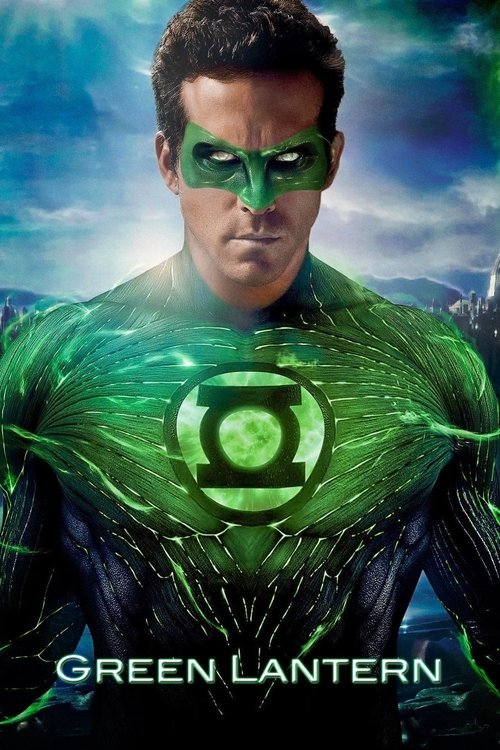
Green Lantern (2011)
Directed by Martin Campbell
No · Ultra Based
How we score movies →Consciousness Markers
Angela Bassett appears as Amanda Waller in a position of authority, and the ensemble cast includes actors of diverse backgrounds. However, this diversity appears incidental rather than intentionally thematic.
The film features actors of color in supporting roles but makes no effort to engage with racial themes, history, or consciousness. Diversity is present but not thematically interrogated.
Blake Lively's Carol Ferris is a pilot and engineer, displaying competence in her profession, though she primarily functions as the love interest with limited agency in the plot.
The film occasionally pauses for exposition about the Green Lantern Corps mythology, though this functions primarily as world-building rather than preachy moralizing.
No LGBTQ+ themes, characters, or representation present in the film.
No environmental or climate-related themes appear in this intergalactic superhero narrative.
The film contains no critique of capitalism, corporate structures, or economic systems. The narrative focuses on cosmic conflict and personal heroism.
No body positivity messaging or diverse body representation present. The cast conforms to conventional Hollywood physical standards.
No neurodivergent characters or themes related to neurodiversity appear in the film.
The film contains no historical narrative or revisionist engagement with human history. It is set primarily in a fictional cosmic universe.


Synopsis
For centuries, a small but powerful force of warriors called the Green Lantern Corps has sworn to keep intergalactic order. Each Green Lantern wears a ring that grants him superpowers. But when a new enemy called Parallax threatens to destroy the balance of power in the Universe, their fate and the fate of Earth lie in the hands of the first human ever recruited.
Why it received this score
Green Lantern arrives as a 2011 superhero vehicle that predates the modern cultural moment by several years, rendering it largely innocent of contemporary progressive sensibilities. The film exists in a pre-woke cinematic universe where casting decisions were made primarily for star power and franchise viability rather than thematic consideration. Ryan Reynolds anchors the narrative as Hal Jordan, a cocky test pilot, while Blake Lively serves as the love interest, and the supporting cast includes actors of various backgrounds distributed across roles without particular emphasis on their representation as a statement.
The film's one genuine marker of cultural consciousness lies in its inclusion of Angela Bassett as Amanda Waller, a government official occupying a position of authority. This casting choice, while notable, feels incidental to the narrative rather than intentional. The story makes no effort to interrogate gender dynamics, systemic injustice, or identity politics. Parallax, the villain, is a cosmic entity of pure fear and rage, devoid of any metaphorical resonance with contemporary social structures. The film remains a straightforward action spectacle concerned primarily with intergalactic conflict and personal heroic destiny, untouched by the modern preoccupations that would later define how we evaluate blockbuster cinema.
What we observe is a film that simply does not engage with the markers of contemporary consciousness. It is neither hostile to such sensibilities nor enthusiastically embracing them. Green Lantern exists in a cultural moment before these conversations became central to popular entertainment criticism, making it a useful baseline for understanding how thoroughly the landscape would shift within a single decade.
Analysis generated by our Consciousness Algorithm
Critic Reviews
“So what we have is a movie that will make at least two important groups happy. New Orleans boosters can cheer Green Lantern for its local roots and for the possibility that the inevitable future installments could return to town. And the purists can cheer, knowing that Campbell and crew have done Green Lantern justice.”
“Serves up all the requisite elements with enough self-deprecating humor to suggest it doesn't take itself too seriously. ”
“For all the CGI action sequences and butt-rocking Dolby sound effects, in fact, Green Lantern is most satisfying when it sticks close to stodgy comic-book archetype.”
“It's a helluva comic book, to be sure, but it's a godawful mess of a movie.”