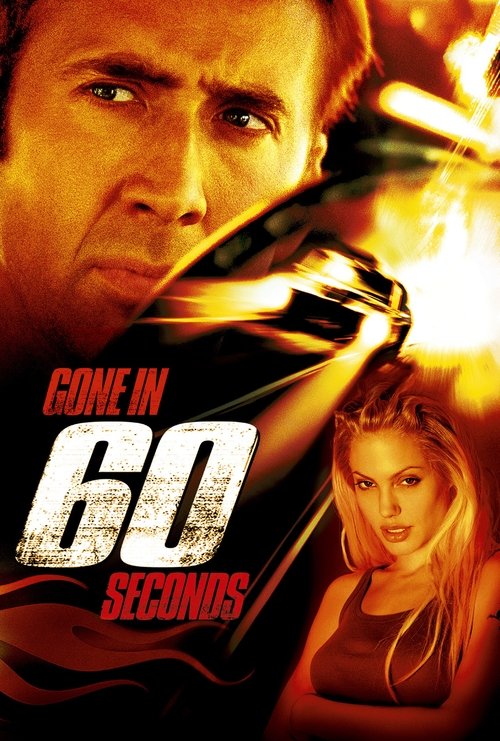
Gone in Sixty Seconds (2000)
Directed by Dominic Sena
No · Ultra Based
How we score movies →Consciousness Markers
The cast includes performers of various ethnicities, but this reflects standard Hollywood demographics rather than any deliberate engagement with representation as a thematic concern.
No LGBTQ+ themes, characters, or content of any kind are present in the film.
No feminist agenda or commentary on gender dynamics. Female characters exist within the heist narrative without thematic exploration of their gender.
No engagement with systemic racism, racial identity, or racial consciousness. Diverse casting is incidental to the narrative.
No climate messaging, environmental concerns, or ecological themes are present.
Despite centering on criminal enterprise, the film offers no critique of capitalism or systemic inequality. Criminality is treated as personal transgression, not systemic commentary.
No body positivity messaging or themes related to body image, disability, or physical representation.
No representation of neurodivergent characters or engagement with neurodiversity as a thematic concern.
The film contains no historical content or revisionist approaches to historical narratives.
No educational messaging, social commentary, or attempt to instruct the audience on matters of social justice or progressive values.


Synopsis
Ex-car thief Randall Raines is forced out of retirement to save his brother Kip after a boost gone wrong. With the help of allies old and new, they race to meet the demands of notorious crime boss Raymond Calitri as the police are in hot pursuit.
Why it received this score
Gone in Sixty Seconds is a film of such aggressively non-ideological intent that it functions almost as a cultural artifact of pre-awakening Hollywood, when car chases and Nicolas Cage's hair were considered sufficient justification for a film's existence. The narrative concerns itself exclusively with the mechanics of automotive theft and the interpersonal dynamics of a crime family, treating its subject matter with the seriousness of a technical manual. There is no attempt whatsoever to interrogate the moral dimensions of its protagonist's criminality, nor any desire to complicate the audience's relationship to his exploits through social commentary.
The cast includes performers of various ethnic backgrounds and Angelina Jolie in a supporting role, yet these casting choices reflect nothing beyond the ordinary demographic composition of a major studio action film from this era. No thematic weight is assigned to representation, identity, or systemic inequality. The female characters exist within the narrative framework established by the heist plot, not as vehicles for exploring gender dynamics or feminist critique. The film is simply indifferent to these concerns, which is to say it lacks the modern sensibility we are evaluating.
What we observe here is a film operating in a different cultural register entirely, one in which the explicit purpose is entertainment through velocity and spectacle. It neither embraces nor resists contemporary progressive frameworks because such frameworks were not yet the dominant cultural vocabulary. In this sense, Gone in Sixty Seconds represents a kind of innocence, though not the noble kind. It is merely absent.
Analysis generated by our Consciousness Algorithm
Critic Reviews
“One of the best of its streamlined, over-produced, double-clutch kind: a high-speed, slicker-than-slick car-chase movie with unexpected deposits of character and comedy.”
“A film where suspense and exhilaration are incompatible, and a receding plot line is merely the platform for cars to fly through panes of glass.”
“It's a pretty good ride even if it blatantly steals some of its best stunts from "American Graffiti" and "Grease."”