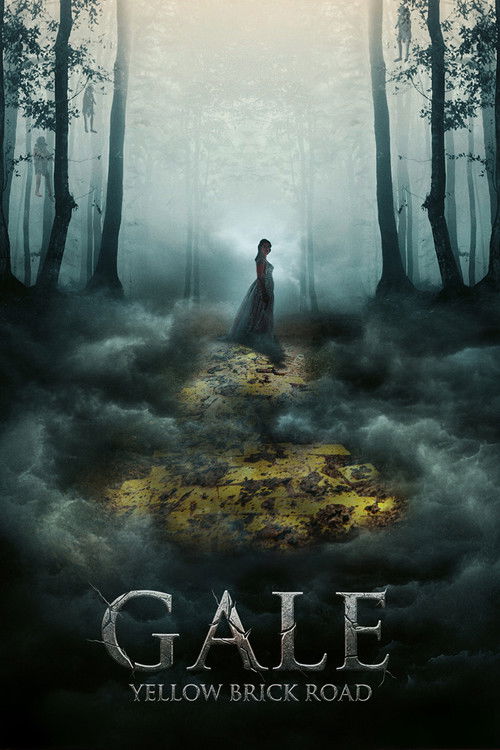
Gale: Yellow Brick Road (2026)
Directed by Daniel Alexander
No · Ultra Based
How we score movies →Consciousness Markers
The cast is predominantly female and appears racially diverse, though the film does not foreground these choices as thematic content. Representation exists but remains unexamined.
The film reimagines The Wizard of Oz as a dark, corrupted space, which constitutes revisionist fantasy rather than historical revisionism. It subverts a cultural text but does not reframe historical events or narratives.
The protagonist is female and inherits a legacy of trauma, but the film does not engage explicitly with feminist critique or analysis. The female-centered narrative reflects genre convention rather than ideological commitment.
The protagonist experiences visions and psychological disturbance, which could be read as neurodivergence, but the film treats these as symptoms of horror rather than meaningful representation or exploration.
The cast includes actors of color, but no evidence suggests the film engages with racial themes or consciousness. Diversity exists as casting choice without thematic integration.
The Oz world is depicted as corrupted and ruined, which could suggest critique of systems, but the film's primary concern is horror and decay rather than economic analysis or anti-capitalist messaging.
The film appears committed to genre storytelling without preachy messaging or explicit moral instruction. It does not lecture the audience about social issues.
No evidence of LGBTQ+ themes or representation in the available materials. The film is centered on psychological horror and inherited trauma, not queer narratives.
No climate-related themes or messaging present. The film's focus is on psychological horror and the corruption of a fantasy realm, not environmental consciousness.
No evidence of body positivity themes. The film is a psychological horror exercise that does not engage with body representation or acceptance.
Synopsis
Dorothy Gale's granddaughter Emily is tormented by visions, disjointed dreams, and an unshakable sense that reality itself is unraveling. As these disturbances mount, she's drawn toward a shadow world-a dark and magical realm that shouldn't exist. Through chilling encounters and surreal revelations, Emily stumbles into the long-buried legacy of Oz—now a place of ruin, tragedy, and unspeakable horrors.
Why it received this score
Gale: Yellow Brick Road operates within a well-established subgenre of horror cinema devoted to corrupting childhood classics into vehicles for psychological dread. The film centers a female protagonist and assembles an ensemble cast that leans female and racially diverse, yet these facts function as mere demographics rather than thematic content. Daniel Alexander's feature debut pursues a straightforward genre objective: to drain the color from Baum's creation and replace it with decay, inherited trauma, and surreal horror. There is nothing here that engages with the contemporary markers of progressive consciousness, no interrogation of systemic power, no explicit commentary on the mechanics of representation itself.
The narrative framing around Emily's inherited psychological disturbance and her struggle against a corrupted reality does invite a reading centered on generational trauma and how the past haunts the present. Yet the film treats these elements as pure horror machinery, the furniture of psychological breakdown rather than vehicles for social analysis. The cast is assembled without apparent commentary on casting politics or the deliberate centering of historically marginalized perspectives. One might observe that a female-led horror film automatically satisfies certain representational boxes, but the film's indifference to this fact speaks volumes about its artistic intentions.
What emerges from the research is a film fundamentally uninterested in social messaging of any kind. It is a horror reimagining, nothing more. The female protagonist exists not as a statement but as narrative necessity. The diverse ensemble serves the story without the film drawing attention to its own choices. This is, in many respects, the most honest approach: a commitment to craft and genre rather than the performance of cultural awareness. One can respect the clarity of purpose even as the film's critical reception suggests it may have failed on its own artistic terms.
Analysis generated by our Consciousness Algorithm
Critic Reviews
“Overall, this is a strong feature debut for Alexander and Ford, but perhaps next time they can let a third set of eyes glance at the script.”
“The creepy imagery in the first act improperly sells just how dull the movie ultimately ends up being for the majority of its overlong runtime, and while its snail-like pacing and lackluster acting fail to make its psychological themes land with anything more than a mute thud.”