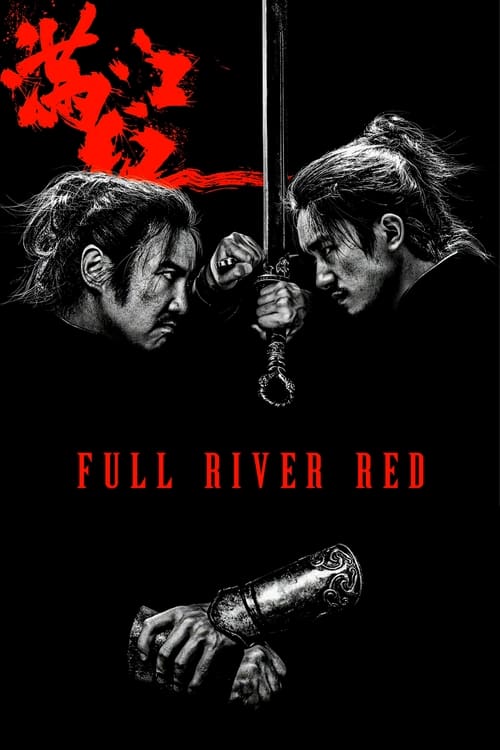
Full River Red (2023)
Directed by Zhang Yimou
No · Based
How we score movies →Consciousness Markers
As a historical mystery, the film necessarily engages with historical events and figures from the Song Dynasty, though it does so through the lens of entertainment rather than contemporary reframing.
The ensemble cast includes female performers and actors of varying ages in substantive roles. However, these casting choices appear to reflect narrative function rather than deliberate representation strategy.
The narrative involves questions of power, corruption, and institutional betrayal, but these serve the mystery plot rather than articulating systematic critique of economic structures.
Female characters exist within the narrative but are not presented through a lens of feminist critique or consciousness. Their roles reflect traditional dramatic function.
Set in historical China with a Chinese cast, the film does not appear to explicitly address contemporary racial dynamics or ethnic consciousness as thematic material.
The film prioritizes entertainment and plot mechanics over preachy messaging. It does not attempt to lecture audiences about historical or social matters.
No apparent LGBTQ+ themes or representation. The film does not engage with sexual orientation or gender identity as thematic material.
No engagement with environmental themes or climate consciousness. The historical setting and mystery plot do not incorporate ecological concerns.
No apparent engagement with body positivity or challenge to conventional beauty standards. The film does not address bodily autonomy or appearance-based discrimination.
No representation of neurodivergent characters or engagement with disability and cognitive diversity as thematic material.


Synopsis
During China's Song Dynasty, a mysterious murder occurs at Chancellor Quin Hui's palace after meeting delegates from the neighboring Jin Dynasty. The members become embroiled not just in a murder mystery, but a larger conspiracy concerning the fate of the empire.
Why it received this score
Full River Red presents itself as a period mystery romp, and on that level it succeeds as a commercial entertainment. The film's primary concerns are plot mechanics, comedic timing, and the spectacle of palace intrigue set against the backdrop of 12th-century China. What cultural consciousness it possesses remains largely subservient to these narrative and entertainment objectives. The mystery format itself imposes certain constraints on thematic elaboration, and the film appears content to work within them.
The picture does feature an ensemble cast that includes female characters and performers of various ages, though these exist as functional elements within the narrative structure rather than as vehicles for progressive commentary. Zhang Yimou, the Academy Award-nominated director, has throughout his career engaged with questions of Chinese identity and history, but Full River Red seems less interested in revisiting or reframing historical events through a contemporary lens and more invested in the mechanics of the whodunnit itself. The film's treatment of patriotism and national loyalty reflects traditional values rather than challenging or complicating them through modern social consciousness.
As the highest-grossing Chinese film of 2023, Full River Red succeeded commercially by offering audiences exactly what they appeared to want: a skillfully constructed entertainment that did not burden itself with interrogating contemporary social anxieties. The absence of progressive sensibility should not be mistaken for conservative polemic, however. The film is simply not particularly interested in engaging with the cultural markers that define modern social consciousness in either direction, preferring instead to deliver mystery, humor, and historical spectacle in roughly equal measure.
Analysis generated by our Consciousness Algorithm
Critic Reviews
“The corridors of power are narrow and spider-vein-thin in Full River Red but still well-traveled and precisely navigated by Zhang and his well-synchronized collaborators.”
“Its blend of styles and sensibilities may be occasionally confounding, but Full River Red is certainly never less than entertaining in its richly inventive mining of history.”
“For every person who finds the tone a welcome inclusion that helps make this two-and-a-half-hour mystery feel a whole lot breezier than you expect, there’s bound to be another who cannot separate what appears to be surface distraction from a highly convoluted tapestry of convenient twists and turns. Most will surely fall in the middle––like me.”
“At times, particularly in its overwrought closing act, the film feels as if it’s going to collapse under the weight of its relentless, convoluted twists. But the lighthearted tone poking through keeps it afloat, and suspends the viewer in mostly carefree entertainment for its two-and-a-half-hour running time.”