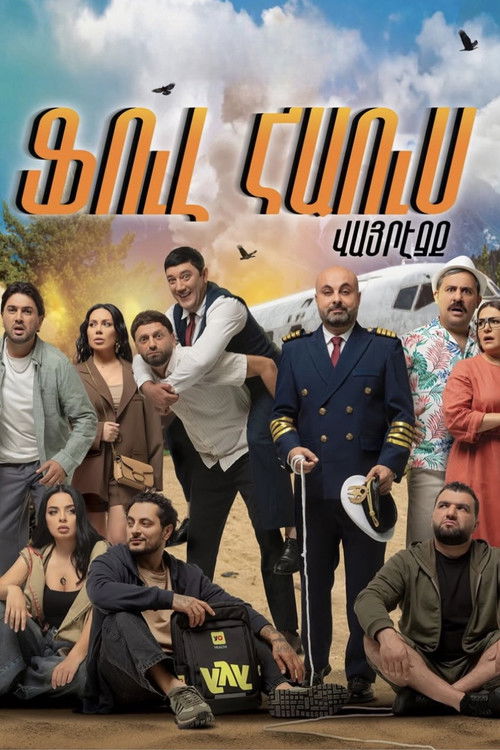
Ֆուլ հաուս. Վայրէջք (2026)
Directed by Karen Amyan
No · Ultra Based
How we score movies →Consciousness Markers
Cast appears predominantly male or male-presenting with limited visible diversity. No indication of intentional representation casting beyond local Armenian casting practices.
As a family comedy reunion film, it may contain some light moralizing typical of the genre, but nothing suggesting preachy or preachy messaging.
The film appears to be an Armenian production for Armenian audiences with no discernible engagement with racial or ethnic consciousness beyond its local context.
Standard comedy film with no indication of deliberate body positivity messaging or celebration of diverse body types in the narrative.
The narrative involves travel to Dubai and comedic mishaps in nature, with no apparent critique of capitalism or wealth structures.
A contemporary comedy with no historical framework to revise. The film deals with present-day adventures rather than historical reexamination.
No evidence of LGBTQ+ themes or characters in available materials. The film is a traditional ensemble comedy with no indication of queer representation.
No indication of feminist themes or gender-conscious storytelling. Female characters appear present but the narrative structure suggests traditional gender roles.
No evidence of climate-related themes or environmental consciousness in the film's premise or available descriptions.
No evidence of neurodivergent characters or themes addressing autism, ADHD, dyslexia, or other neurodevelopmental conditions.
Synopsis
A feature film created to celebrate the 10th anniversary of the Armenian sitcom Full House, bringing the characters back together for a special cinematic event.
Why it received this score
Full House: Landing arrives as a modest Armenian comedy reunion film, the sort of project that exists primarily to delight existing fans of the original sitcom rather than to interrogate contemporary social structures. The film documents a group of friends whose journey to Dubai takes an unexpected detour into a forest, where chaos ensues. This is comfort entertainment of a fundamentally conservative stripe, concerned with pratfalls and ensemble hijinks rather than any serious engagement with systemic questions.
The film's cultural context is worth noting: it emerges from Armenian television, where the original sitcom ran for five years as a domestic comedy centered on relationships and workplace dynamics. The cast appears to be predominantly male or male-presenting, a choice that reflects neither progressive consciousness nor regression, merely the conventions of regional comedy production. There is no discernible effort to address gender representation, LGBTQ+ visibility, or racial diversity within the narrative, nor does the film seem preoccupied with such matters. It is what it is: a nostalgia vehicle for a specific audience.
What emerges from the available materials is a film entirely unconcerned with the markers of contemporary progressive sensibility. There is no climate consciousness, no anti-capitalist messaging, no body positivity agenda, no engagement with neurodivergence, no revisionist historical framework, and no detectable lecture energy. This is not a critique so much as an observation. The film exists in its own cultural space, making no claims beyond entertainment.
Analysis generated by our Consciousness Algorithm
Critic Reviews
“The film seems to be a crowd-pleasing continuation of a beloved Armenian sitcom property.”