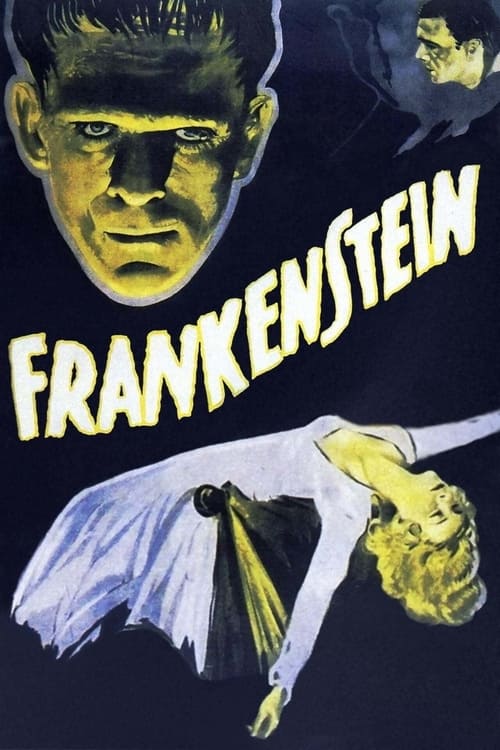
Frankenstein (1931)
Directed by James Whale
No · Ultra Based
How we score movies →Consciousness Markers
The creature's grotesque appearance is treated as horrifying rather than celebrated, but the film does invite sympathy for a being rejected for his appearance. This is accidental rather than intentional body positivity.
The creature's childlike learning and emotional development could be read as neurodivergent by modern viewers, but this is not an explicit theme or conscious choice by the filmmakers.
The cast is entirely white and male-dominated, reflecting 1931 Hollywood norms. No attempt at diverse representation exists because the concept did not yet exist in film.
No LGBTQ+ themes appear in the film. While director James Whale was gay, this has no bearing on the text itself, which contains no queer representation or subtext.
The film contains minimal female characters and no feminist agenda. Mae Clarke's role is secondary and unremarkable by any standard.
There is no racial consciousness or commentary in the film. Race is not addressed, and the cast and crew reflect the segregated Hollywood of 1931.
Climate themes are entirely absent from this Gothic horror narrative. The environmental concerns of the 2020s had no purchase on 1931 filmmaking.
While the film contains class elements in its Gothic setting, there is no anti-capitalist critique or 'eat the rich' messaging present.
No historical revision occurs here. The film adapts Mary Shelley's novel without rewriting history or challenging established narratives.
The film tells its story through drama and Gothic atmosphere, not through preachy messaging or lectures. It does not preach to its audience.


Synopsis
Henry Frankenstein pieces together body parts in the hope of bringing a human-like creature to life. The mad scientist's dreams are shattered by his monstrous creation awakening with rage to a world that hates and fears him.
Why it received this score
Frankenstein is a 1931 film, which is to say it was made nearly a century before the emergence of the cultural anxieties we are here to measure. Assigning it a woke score is an act of archaeological curiosity rather than genuine criticism. The film contains no representation casting agenda, no LGBTQ+ themes, no feminist consciousness, no racial commentary, and certainly no climate crusade or body positivity messaging. These categories did not exist in the 1931 filmmaking lexicon.
What the film does contain, almost by accident, is a structure that later generations would recognize as sympathetic to a marginalized being. Boris Karloff's creature is rejected by society for his appearance alone, learning language and emotion only to be driven to violence by relentless prejudice. This is not wokeness, but it is something that woke criticism has retrospectively embraced as proto-progressive: the monster as victim of systemic cruelty. The creature's tragedy emerges not from the filmmaker's explicit social consciousness but from the Gothic tradition of misunderstood outsiders. We are invited to pity him, which is different from celebrating him.
The single points awarded here reflect only this accidental resonance with contemporary sensibilities about othering and social rejection, nothing more. Frankenstein remains what it is: a masterwork of early horror cinema, a technical achievement, and a film made in a different moral universe. To score it higher would be to commit the sin of presentism, imposing our moment's concerns onto a work that preceded them by generations. It deserves appreciation for what it actually is, not for how it might be retrofitted into contemporary frameworks.
Analysis generated by our Consciousness Algorithm
Critic Reviews
“One of the most deservedly famous and chilling horror films of all time.”
“Beautiful photography, a heartbreaking story, and iconic moments from beginning to end. Absolutely unmissable.”
“The most influential horror film ever made, this stark and stylish work has a weird fairytale beauty. Boris Karloff gives one of the most indelible performances in American cinema as the monster, misjudged by the society that created him, at once terrifying and pathetic, a moving study of alienation and primitive anger.”
“It is naturally a morbid, gruesome affair, but it is something to keep the spectator awake, for during its most spine-chilling periods it exacts attention. ”