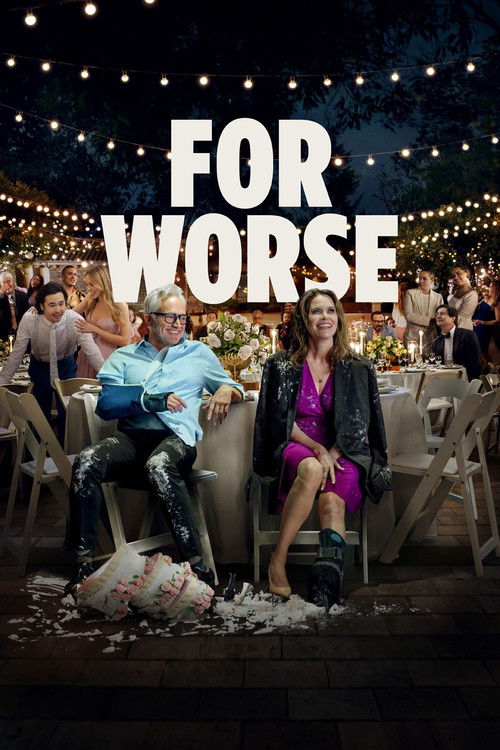
For Worse (2026)
Directed by Amy Landecker
No · Based
How we score movies →Consciousness Markers
The ensemble cast includes performers from various racial backgrounds and LGBTQ+ actors, reflecting contemporary casting diversity, though this appears to be standard practice rather than intentional ideological choice.
The film centers a middle-aged woman's sexuality and desirability, which represents a mild departure from traditional narratives, yet it does not appear to interrogate systemic gender oppression or structural inequality.
The film appears to be character-driven and emotionally grounded rather than preachy, with reviews praising its balance of comedy and drama, suggesting minimal explicit messaging or moralizing.
The film's centering of a middle-aged female body and its desirability may implicitly challenge conventional beauty standards, though there is no indication of explicit thematic engagement with body positivity.
LGBTQ+ performers appear in the cast (Kiersey Clemons, Liv Hewson), but there is no evidence from available reviews or descriptions that queer themes are central to the narrative or substantially explored.
The cast includes performers of color, but reviews and synopsis provide no indication that the film engages thematically with race, racism, or racial identity as meaningful subjects.
The narrative involves an acting class and personal ambition, but without any apparent critique of economic systems, labor structures, or capitalist arrangements.
No evidence that the film engages with environmental themes or climate consciousness in any meaningful way.
No evidence that the film addresses neurodivergence or neurodivergent representation in any substantive way.
The film is set in contemporary times and does not appear to engage with historical narratives or their reinterpretation.
Synopsis
Lauren, a newly divorced, sober mom, feels like she has a new lease on life after joining her first acting class and starting a fling with her hot, young scene partner. However, when they attend their Gen Z classmate's wedding together, things begin to fall apart, and Lauren finds herself behaving like a drunk 25-year-old bridesmaid. Luckily after a disastrous night she stumbles into a new day and a new beginning.
Why it received this score
Amy Landecker's directorial debut is a modestly progressive romantic comedy that centers female sexuality and aging without the ideological fervor one might expect from contemporary cinema. The film assembles an ensemble cast that reflects current casting practices, including performers from various racial backgrounds and LGBTQ+ representation, yet these elements function as texture rather than thematic foundation. Landecker herself, as both writer and star, brings a certain authority to the material, and critics have responded positively to her balancing of humor and reflection. The narrative focuses on personal reinvention following divorce, sobriety, and unexpected desire, all sympathetic subjects for a contemporary audience.
What prevents this film from scoring higher on the scale of modern progressive consciousness is its fundamentally apolitical approach to these themes. The film treats female middle-age and sexuality as matters of personal feeling rather than structural injustice. There is no interrogation of ageism in Hollywood or society, no examination of how economic precarity shapes women's choices, no analysis of how sobriety intersects with identity or community. The LGBTQ+ cast members appear to exist in the film without any suggestion that their presence represents anything beyond inclusive casting. The ensemble-driven wedding sequences, while apparently enjoyable, do not appear to leverage that structure for any meaningful cultural commentary or challenge to normative social arrangements.
The result is a film that is contemporary in its sensibilities without being consciously ideological about them. It reflects the ambient progressive assumptions of the 2020s without asserting them as urgent imperatives. Landecker has made a charming, competent film about a woman finding her footing after divorce, which is a perfectly valid artistic project. It simply does not constitute a substantial engagement with the markers of social consciousness that have come to define progressive filmmaking in this era. The film is, in short, nice. Nice is not nothing. But nice is also not particularly illuminating when one is measuring the degree to which a work embraces the cultural preoccupations of its moment.
Analysis generated by our Consciousness Algorithm
Critic Reviews
“This is a more-than-solid observational comedy with a melancholy undertone, reminiscent of early Albert Brooks movies like "Modern Romance."”
“For Worse might be a tiny step among its kind, but it still feels like a leap for its thoughtful auteur, ultimately celebrating new beginnings as an ageless milestone.”
“For Worse isn't all bad; bits of it are intriguing and the rest is too anodyne to get worked up about. But it's hard to shake the disappointment that this is just an okay movie, when it seems like it should've been a good one.”