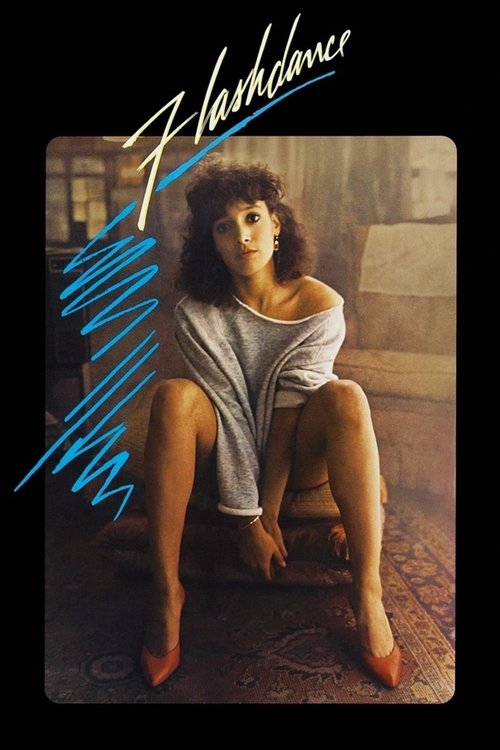
Flashdance (1983)
Directed by Adrian Lyne
No · Ultra Based
How we score movies →Consciousness Markers
Female protagonist with career ambitions, but her arc ultimately centers on male approval and romantic partnership. The power dynamic between boss and employee is romanticized rather than critiqued.
Female lead in a prominent role, but cast is predominantly white. Alex Owens is the central character, yet the film's representation remains narrow in scope.
While featuring dance and athletic bodies, the film emphasizes traditional beauty standards and the female form as spectacle rather than promoting body diversity.
The film is primarily interested in spectacle and romance rather than preachy messaging. Minor moments of workplace struggle exist but are not foregrounded.
No LGBTQ+ themes or representation present in the film. Heterosexual romance is the singular relationship framework.
No meaningful engagement with racial themes. The film exists in a predominantly white narrative space without acknowledgment of this choice.
No climate-related content or environmental consciousness present in the film.
The film celebrates individual ambition and upward mobility within the existing system. No critique of capitalism or class structures.
No representation of neurodivergent characters or engagement with neurodiversity themes.
The film makes no claims about historical events or narratives that would require revisionist examination.


Synopsis
Alex Owens, a young woman juggling between two odd jobs, aspires to become a successful ballet dancer. Nick, who is her boss and lover, supports and encourages her to fulfil her dream.
Why it received this score
Flashdance presents a female protagonist who works as a welder and aspiring dancer, a setup that might seem progressive on the surface. However, the film's engagement with these themes remains firmly rooted in 1980s sensibilities rather than contemporary cultural consciousness. Alex Owens exists primarily as a romantic object for her boss, a power dynamic that the narrative treats as romantic rather than problematic. The film's interest in her working-class status functions mainly as aesthetic backdrop for music videos rather than genuine economic critique.
The narrative ultimately resolves through male validation and romantic partnership. Her boss Nick encourages her dreams, supports her financially, and ultimately the film suggests her fulfillment comes through his approval. This is not contemporary progressive cinema, though it does feature a woman as the central character with her own goals. The film's representation of female ambition, while present, remains subordinate to romantic resolution and male mentorship.
Flashdance represents a pre-contemporary moment in cinema. It exhibits some surface-level female agency but lacks the specific markers of modern progressive cultural consciousness. The film is primarily a vehicle for style and spectacle, with social themes serving decorative rather than substantive functions. Viewed through the lens of contemporary cultural analysis, it reads as a product of its era, neither particularly regressive nor genuinely engaged with systemic issues.
Analysis generated by our Consciousness Algorithm
Critic Reviews
“The dance sequences are sexy and energetic, more than compensating for a love relationship in the film that is thoroughly illogical and wooden. [22 July 1983]”
“Flashdance makes liberal use of jump cuts, strobe lighting and hard-edged, post-punk chic in its dance sequences, it registers as the end product of energy being released by an essentially lyrical temperament. It charms us, makes us want to refrain from scrutinizing it too closely. [31 Jul 1983, p.1]”
“With a score by Giorgio Moroder, and with ingenious costumes that are utterly au courant, Flashdance contains such dynamic dance scenes that it's a pity there's a story here to bog them down.”
“Although the "story" is almost wholly without depth or plausibility, it's carried off with great style.”