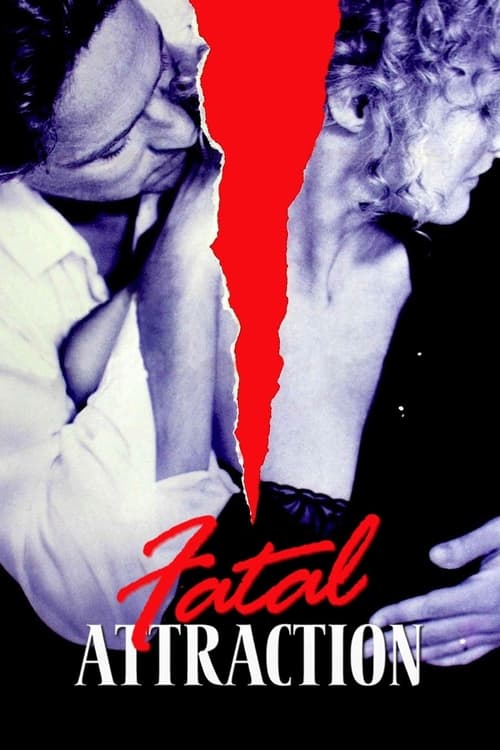
Fatal Attraction (1987)
Directed by Adrian Lyne
No · Ultra Based
How we score movies →Consciousness Markers
The cast is predominantly white and heterosexual, reflecting 1987 norms. Glenn Close receives substantial screen time and agency, though her character is ultimately demonized for her desires and emotional intensity.
The film occasionally tilts toward preachy messaging about the dangers of infidelity and marital transgression, though this is more implicit than explicit. The narrative structure itself functions as a moral lesson.
Alex Forrest is implicitly coded as mentally unstable, though the film offers no nuanced exploration of her psychology. Her behavior might suggest borderline personality traits, but the film treats this as moral failing rather than condition.
The film is fundamentally hostile to feminist sensibilities. It presents female sexual agency as dangerous pathology and validates the male protagonist's infidelity while demonizing the female partner.
There is no LGBTQ+ representation or thematic content in the film. Sexuality is presented exclusively through heterosexual desire and infidelity.
Racial themes are entirely absent from the narrative. The film contains no engagement with racial consciousness or representation beyond the default casting of the era.
Climate themes are completely absent from this psychological thriller about infidelity and obsession.
The film contains no anti-capitalist messaging or critique of economic systems. Class is not thematically engaged with in any meaningful way.
Body positivity is not a concern of the film. Glenn Close's appearance is presented as conventionally attractive, but this is incidental to the narrative rather than a conscious statement.
This is a contemporary thriller set in 1980s New York with no historical narrative. Revisionist history does not apply.


Synopsis
A married man's one-night stand comes back to haunt him when that lover begins to stalk him and his family.
Why it received this score
Fatal Attraction is a study in how a film can accidentally become a cultural artifact despite its intentions. Released in 1987, it arrived in an era before modern progressive sensibilities had calcified into their current form, yet it remains instructive in how not to portray female sexuality and agency. Glenn Close's Alex Forrest is presented as a cautionary tale, a woman whose desire for emotional connection metastasizes into pathology. The film profits from our discomfort with her ambitions while offering no genuine insight into her psychology.
The narrative architecture privileges the perspective of the adulterous husband, positioning him as the true victim while his willing paramour is reframed as a dangerous predator. This inversion of moral culpability is the film's central trick, one that audiences of the era found perversely satisfying. Anne Archer, as the betrayed wife, is granted the role of protector and moral center, yet even this potential for female agency is undermined by the film's ultimate message: women who deviate from prescribed roles are threats to be neutralized.
What emerges most clearly is a film that uses the language of psychological horror to express deep ambivalence about women's autonomy. The "bunny boiler" became a cultural shorthand not for a critique of infidelity but for a dismissal of female emotional intensity as inherent pathology. By contemporary standards, this represents a failure of imagination, a refusal to complicate its female antagonist beyond the boundaries of a male fantasy of danger. The film is not actively advocating for progressive causes, nor is it undermining them. It simply exists in a time before such conversations dominated cinema, which paradoxically makes it more useful as a historical document of what preceded our current moment.
Analysis generated by our Consciousness Algorithm
Critic Reviews
“This is a spectacularly well-made thriller. It is an odd thing, really -- the movie is sexy and at the same time a warning about the costs of sex.”
“The screws are tightened expertly in this suspenseful meller about a flipped-out femme who makes life hell for the married man who scorns her.”
“Mr. Lyne takes a brilliantly manipulative approach to what might have been a humdrum subject and shapes a soap opera of exceptional power.”
“Adrian Lyne pulls out more manipulative nonsense than Machiavelli ever thought of. Lyne stops at nothing to provoke artificial sentimental feelings from the audience. Like the movie itself, the audience's reaction is only skin deep. [18 Sep 1987, p.58]”