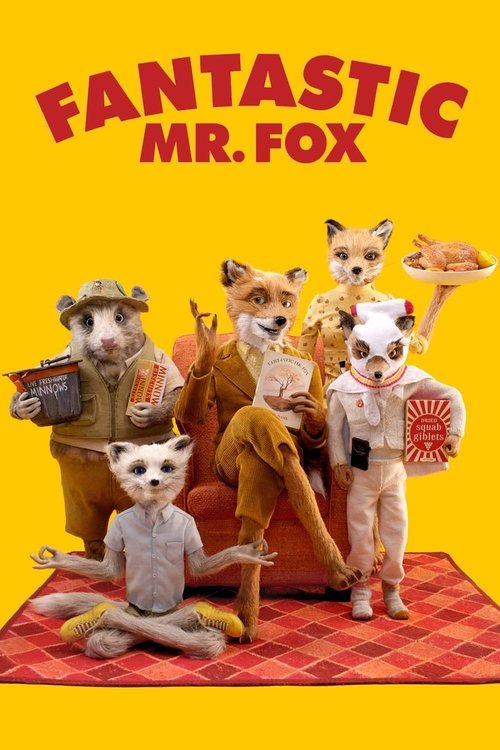
Fantastic Mr. Fox (2009)
Directed by Wes Anderson
No · Ultra Based
How we score movies →Consciousness Markers
Meryl Streep voices the female lead, but her role is largely domestic. The film's animal cast is not coded by race, though the voice actors are predominantly white.
The conflict centers on a clever individual stealing from wealthy farmers, which could be read as minor class commentary, but no systemic critique is present.
No LGBTQ+ themes, representation, or subtext present in the narrative.
No feminist messaging or consciousness-raising. Female characters exist within traditional family structures.
The film is set in a timeless, race-neutral animal world with no engagement with racial themes whatsoever.
No climate-related messaging or environmental consciousness in the narrative.
No body positivity themes or discussions about diverse body types. Characters are depicted according to their species.
No representation of or commentary on neurodivergence in the film.
The film is a fantasy fable with no historical setting or revisionist impulses.
Anderson's stylized approach prioritizes aesthetic charm over preachy messaging. The film entertains rather than instructs.


Synopsis
The Fantastic Mr. Fox, bored with his current life, plans a heist against the three local farmers. The farmers, tired of sharing their chickens with the sly fox, seek revenge against him and his family.
Why it received this score
Wes Anderson's stop-motion adaptation of Roald Dahl's novel is a meticulously crafted exercise in controlled whimsy, all perfectly symmetrical compositions and deadpan voice work. The film concerns itself with heists, family loyalty, and the clash between civilization and appetite, topics that have occupied storytellers since before progressive consciousness became a genre unto itself. George Clooney voices the titular fox with urbane charm, while Meryl Streep provides the only significant female presence as his wife. The supporting cast of farmers and assorted creatures exist primarily to facilitate plot mechanics rather than to explore any particular social sensibility. Anderson's directorial style, with its theatrical staging and self-aware artificiality, creates a narrative distance that precludes any meaningful engagement with systemic critique or social awareness. The film is a fable about a clever individual outwitting authority figures, which is, if anything, a libertarian rather than progressive impulse. Nothing in this film suggests the creator spent any time contemplating identity politics, climate anxiety, or the structural inequalities that would come to dominate cultural discourse in the decade following its release. It is, in the most neutral sense, a charming film about a fox who steals chickens, and it wears this simplicity like a perfectly tailored suit.
Analysis generated by our Consciousness Algorithm
Critic Reviews
“For the reportedly painstaking labor it took to create, the film is a marvel to behold--with wonderful shifts in perspective, an intensely tactile design, and an intentional herky-jerkiness of motion that only enriches the make-believe atmosphere.”
“With its virtuoso tomfoolery, Fantastic Mr. Fox is like a homegrown Wallace and Gromit caper. To Wes Anderson: More, please!”
“Anderson has pulled off the most elusive of goals: He's made a nonchalant masterpiece, a movie that feels dog-eared and loved before it's even reached our hands.”
“The animals are often caught in a stare as if they, too, are looking for the tale that Anderson forgot.”