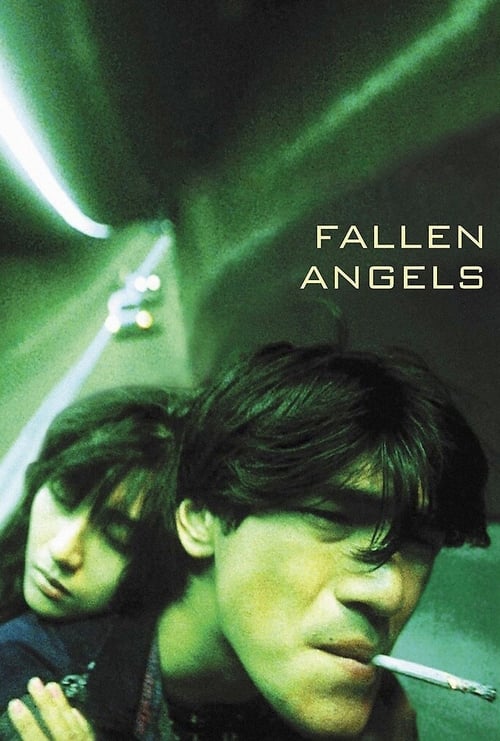
Fallen Angels (1995)
Directed by Wong Kar-Wai
No · Ultra Based
How we score movies →Consciousness Markers
Female agent character possesses agency and complexity within the crime partnership, but this reflects noir conventions rather than contemporary feminist consciousness or critique.
Cast composition reflects the Hong Kong setting naturally without conscious diversity initiatives. No evidence of deliberate representation casting.
No LGBTQ+ themes, representation, or storylines present in the film.
No racial consciousness, commentary on race, or exploration of racial dynamics in the narrative.
No environmental themes, climate messaging, or ecological concerns present.
While the film depicts criminal activity, it contains no systemic critique of capitalism or anti-capitalist messaging.
No body positivity themes or commentary present in the film.
Female character's psychological distress is portrayed as emotional/narrative element within noir aesthetics, not as representation of neurodivergence.
No historical revisionism or reframing of historical events present in the narrative.
Film employs highly stylized, abstract visual language with minimal exposition or preachy dialogue. No preachy or instructional tone.


Synopsis
An assassin goes through obstacles as he attempts to escape his violent lifestyle despite the opposition of his partner, who is secretly attracted to him.
Why it received this score
Wong Kar-Wai's "Fallen Angels" operates in the register of aesthetic alienation rather than social consciousness, a distinction that matters considerably when one attempts to measure its progressive sensibilities. The film presents a female crime partner with agency and complexity, though this characterization emerges from noir conventions rather than contemporary commitments to gender equity. Her unrequited desire for her male counterpart positions her within a romantic tragedy framework that predates modern feminist critique by decades, and the film shows no interest in interrogating these dynamics through a contemporary lens.
The 1995 Hong Kong setting and predominantly Asian cast reflect the film's geographic specificity, not deliberate representation casting. The narrative concerns itself with existential alienation, memory, and the search for connection amid urban isolation, themes that recur throughout Wong's oeuvre. These are serious preoccupations, but they operate orthogonal to the particular cultural markers that define modern progressive sensibility. The film's postmodern style, its experimental storytelling, and its claustrophobic mood serve the emotional register of its characters rather than any external social agenda.
The work remains fundamentally indifferent to the categories we deploy to measure cultural consciousness. Its concerns are interior and aesthetic rather than collective and political. It is a masterwork of style in service of isolation, not a vehicle for progressive messaging.
Analysis generated by our Consciousness Algorithm
Critic Reviews
“Even Wong's detractors, who consider him more stylist than auteur, will have a tough time dismissing the extraordinary emotional depth he achieves here.”
“Writer-director Wong Kar-wai makes these five self-consciously idiosyncratic types--often seen through distorting lenses in cinematographer Christopher Doyle's somber, garish Hong Kong--fully and instantly believable.”
“An exhilarating rush of a movie, with all manner of go-for-broke visual bravura that expresses perfectly the free spirits of his bold young people. [22 May 1998, Pg.F9]”
“A colourful and stylish romp, for sure, but a feeling of restlessness sets in long before the series of false endings that finally bring it to a close. Time passes, things happen, but nobody emerges very much wiser.”