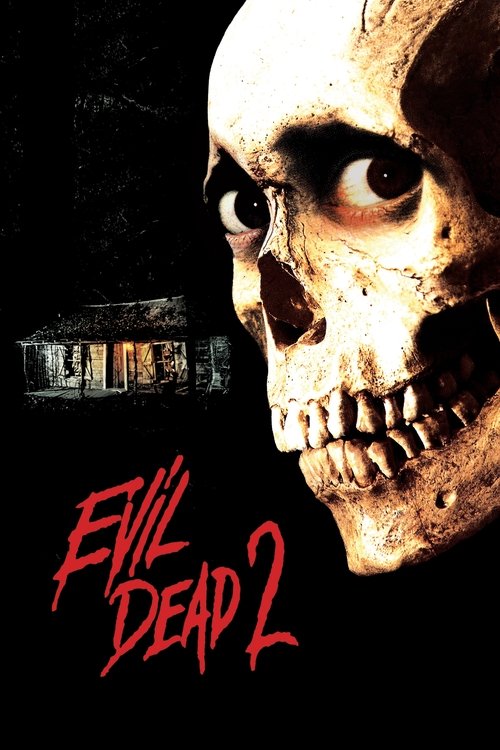
Evil Dead II (1987)
Directed by Sam Raimi
No · Ultra Based
How we score movies →Consciousness Markers
The cast is entirely white with no effort toward diverse representation or inclusive casting.
No LGBTQ+ characters, themes, or representation appear in the film.
Female characters function as victims and plot devices rather than agents with feminist consciousness or commentary.
The film contains no racial themes, commentary, or consciousness regarding racial issues.
No environmental or climate-related themes are present in the narrative.
The film contains no critique of capitalism, wealth, or class structures.
Body horror and gore are used purely for comedic and horror effect without body positivity messaging.
No representation of or commentary on neurodivergence appears in the film.
The film contains no historical narrative or revisionist historical framing.
The film is purely entertainment-focused with no preachy messaging or social lectures.


Synopsis
Ash Williams and his girlfriend Linda find a log cabin in the woods with a voice recording from an archeologist who had recorded himself reciting ancient chants from "The Book of the Dead." As they play the recording an evil power is unleashed taking over Linda's body.
Why it received this score
Evil Dead II stands as a monument to pre-woke cinema, a film so thoroughly indifferent to social consciousness that it barely registers on our measuring instruments. Released in 1987, Sam Raimi's horror-comedy sequel exists in an era before progressive sensibilities had begun their comprehensive colonization of popular culture. The film concerns itself entirely with slapstick gore, Bruce Campbell's physical comedy, and the cinematic possibilities of demonic possession, leaving no room for representation casting, LGBTQ+ themes, or racial consciousness.
The narrative mechanics are pure genre exercise. Linda exists primarily as a vessel for possession, a plot device rather than a character with agency or feminist dimension. The film makes no apparent effort to interrogate gender, capitalism, environmental concerns, or historical injustice. Its sole preoccupation is mayhem of the highest order, executed with genuine craft and anarchic energy. One might describe this as refreshingly uncomplicated were we not obligated to note that uncomplicated indifference to social categories is itself a cultural position.
What emerges most clearly from this assessment is the temporal distance between Evil Dead II and contemporary cultural production. The film belongs to a moment when horror could simply be horror, when comedy could simply be comedy, and when neither needed to justify itself through progressive credentials or social awareness. Whether this represents liberation or mere historical obliviousness remains a matter of perspective, though our instruments suggest the latter.
Analysis generated by our Consciousness Algorithm
Critic Reviews
“Thanks to Sam Raimi’s inventive style and Bruce Campbell’s hysterical performance, the horror-comedy genre has grown into a legitimate genre, but Evil Dead 2 will forever be the king.”
“The gaudily gory, virtuoso, hyper-kinetic horror sequel/remake uses every trick in the cinematic book, and confirms that Bruce Campbell and Raimi are gods.”
“Using the same breathless pacing, rushing camera movements and nerve-jangling sound effects as before, Raimi drags us screaming into his cinematic funhouse. Delirious, demented and diabolically funny. ”
“The effects are just as delirious this time around, but the nightmare poetry has vanished, along with the sense of archetypal purpose and narrative inevitability that held the jack-in-the-box original together.”