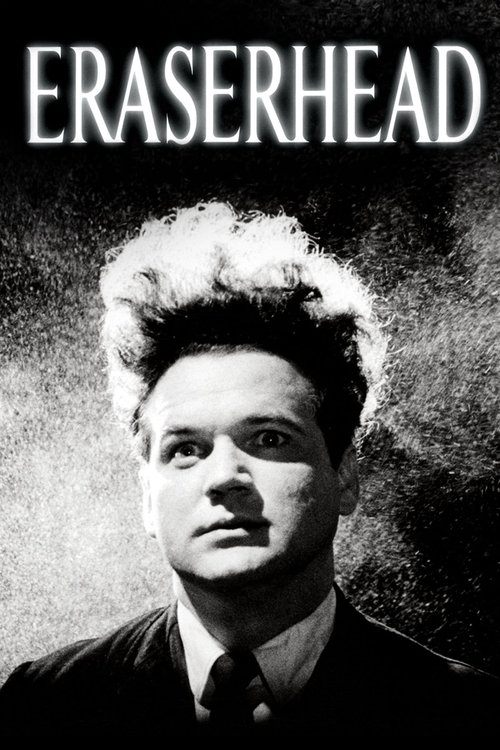
Eraserhead (1977)
Directed by David Lynch
No · Ultra Based
How we score movies →Consciousness Markers
While the film depicts women problematically (shrewish girlfriend, male fantasy radiator lady), it inadvertently critiques masculine inadequacy and male sexual anxiety. This is not intentional feminist commentary but rather a portrait of male fragility that contemporary viewers might read through a feminist lens.
No evidence of conscious representation efforts. The cast is uniformly white and appears selected based on Lynch's artistic vision rather than diversity considerations.
No LGBTQ+ themes, representation, or subtext present in the film. The narrative focuses entirely on heterosexual relationships and masculine anxiety.
No racial consciousness or commentary present. Race is entirely absent from the film's concerns and thematic architecture.
No climate or environmental activism. The industrial setting serves psychological symbolism, not environmental commentary.
While the film depicts an industrial, dystopian environment, this is existential and psychological rather than political. There is no critique of capitalism or call for wealth redistribution.
No body positivity messaging. The grotesque mutant baby and disturbing bodily imagery are used for horror and psychological effect, not acceptance or celebration of difference.
No representation or discussion of neurodivergence. The film's surrealism is artistic technique, not commentary on neurological difference.
Not a historical film. No rewriting of historical narratives occurs.
The film deliberately resists explanation and interpretation. Lynch's aesthetic is one of mystery and ambiguity, the opposite of preachy lecture energy.


Synopsis
First-time father Henry Spencer tries to survive his industrial environment, his angry girlfriend, and the unbearable screams of his newly born mutant child.
Why it received this score
Eraserhead arrives from a pre-woke era with the confidence of a man who has never heard the term. Lynch's 1977 debut is a masterwork of surrealist anxiety, but its social consciousness exists entirely in the register of personal neurosis and industrial alienation. The film depicts women as incomprehensible obstacles (the shrill girlfriend Mary X) or convenient male fantasy projections (the ethereal radiator lady). Henry Spencer, our protagonist, is a fumbling, passive creature undone by biological reality and circumstance, a portrait of masculine inadequacy that predates contemporary discourse on toxic masculinity by decades. This is not progressive observation but rather the unconscious misogyny of mid-70s art film, where female characters serve as scenery in a man's psychological nightmare.
What makes Eraserhead interesting to score is precisely its refusal to engage with the social consciousness markers we use to measure contemporary progressive sensibility. The film has no interest in representation, diversity, identity politics, or systemic critique. Its alienation is existential, not political. The industrial wasteland is a metaphorical landscape of psychological dread, not a commentary on capitalist exploitation requiring redistribution of wealth. The grotesque baby is a symbol of masculine anxiety about fatherhood and bodily autonomy, not a vehicle for disability representation or neurodivergent consciousness.
Lynch made a film about fear and desire, about the incomprehensibility of the Other, about man's insignificance in an uncaring world. He did not make a film about social justice, and it would be absurd to fault him for this on those grounds. Eraserhead deserves its cult status as a genuine artistic achievement, but it remains a work of personal surrealism untouched by the progressive cultural markers that define our era. It is a masterpiece of alienation, not of social consciousness.
Analysis generated by our Consciousness Algorithm
Critic Reviews
“See Eraserhead once and it’ll lodge itself firmly in some dank recess of your brain and refuse to vacate. ”
“Gothically shot in black and white and numerous shots that have influenced the next generation of directors, this is a classic, no matter how comfortable it is to watch.”
“Eraserhead is a singular work of the imagination, a harrowing, heartbreaking plunge into the darkest recesses of the soul.”
“Eraserhead is a sickening bad-taste exercise made by David Lynch under the auspices of the American Film Institute. Like a lot of AFI efforts, the pic has good tech values (particularly the inventive sound mixing), but little substance or subtlety.”