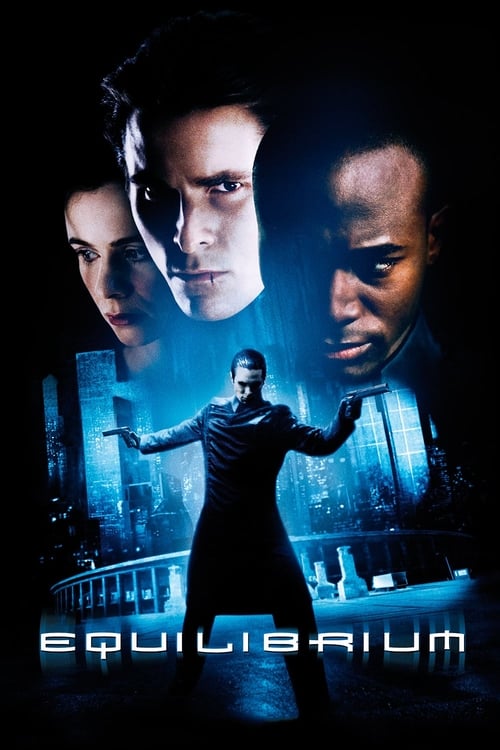
Equilibrium (2002)
Directed by Kurt Wimmer
No · Ultra Based
How we score movies →Consciousness Markers
While the film contains ideological messaging about suppression of emotion and human authenticity, it is delivered through narrative and action rather than explicit lecturing.
The film critiques a totalitarian system of control, though the critique is philosophical and anti-authoritarian rather than specifically anti-capitalist or economically oriented.
The cast is predominantly white with no evidence of deliberate inclusive casting practices. Taye Diggs appears in a minor role without representational significance.
No LGBTQ+ characters, themes, or representation present in the film.
Female characters exist in the narrative but without feminist consciousness or engagement with gender politics.
The film demonstrates no racial consciousness or engagement with racial themes or dynamics.
No environmental or climate-related themes are present in the film.
No engagement with body positivity, body diversity, or discussions of body image.
The film does not address neurodivergence, disability representation, or neurodiverse characters.
The film is a fictional dystopia, not a historical narrative being rewritten or reinterpreted.


Synopsis
In a dystopian future, a totalitarian regime maintains peace by subduing the populace with a drug, and displays of emotion are punishable by death. A man in charge of enforcing the law rises to overthrow the system.
Why it received this score
Equilibrium arrives from a pre-2015 cultural moment when dystopian science fiction concerned itself primarily with philosophical questions about human nature and governmental control rather than contemporary progressive social consciousness. Kurt Wimmer's film depicts a totalitarian society where emotion itself is criminalized, a concept that owes more to Orwell and Huxley than to any recognizable strain of modern progressive activism. Christian Bale's protagonist questions the system through action and moral awakening, a narrative trajectory rooted in humanist philosophy rather than social justice frameworks.
The film's critique of authoritarianism is real but not intersectional. The ensemble cast includes Taye Diggs in a supporting role, though his presence carries no weight of representational intentionality. Emily Watson similarly appears without any engagement with feminist consciousness or gendered power dynamics. The world depicted is one where the oppression is universal and ideological rather than stratified along lines of identity.
The defense of emotional authenticity against systemic suppression is a theme that predates and operates independently of the specific constellation of markers that define modern progressive cultural sensibilities. Equilibrium remains committed to a humanist critique of authoritarianism that, by contemporary standards of analysis, reads as remarkably inert on matters of progressive social consciousness.
Analysis generated by our Consciousness Algorithm
Critic Reviews
“Would be a mindless action picture, except that it has a mind. It doesn't do a lot of deep thinking, but unlike many futuristic combos of sf and f/x, it does make a statement:”
“A terrific cast, stylish direction, and elegantly choreographed mayhem help make it far better than it might have been -- Though ultimately silly, Equilibrium's shopworn but stylish synthesis of ammo and ideas is surprisingly engrossing.”
“The fun here is not so much in the solid if stolid performances from Bale and co-stars Taye Diggs and Emily Watson (gussied up to resemble the Jefferson Airplane–era Grace Slick) or in Wimmer's overpolished plot devices as it is in the production values.”
“If someone left "1984," "Fahrenheit 451," "Brave New World," "Gattaca" and the Sylvester Stallone potboilers "Judge Dredd" and "Demolition Man" out in the sun and threw the runny glop onto a movie screen, it would still be a better picture than Equilibrium, a movie that could be stupider only if it were longer.”