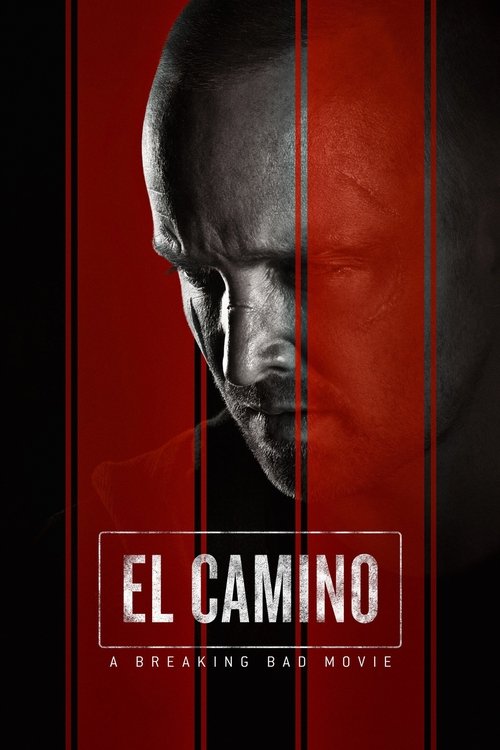
El Camino: A Breaking Bad Movie (2019)
Directed by Vince Gilligan
No · Ultra Based
How we score movies →Consciousness Markers
The cast is predominantly white and male, consistent with the Breaking Bad universe's established character base. No intentional effort toward diverse representation.
Minimal preachy elements. The film focuses on narrative and character rather than explicit messaging, though Jesse's trauma and moral reckoning carry implicit weight.
Todd's neo-Nazi affiliations are present but treated as character trait rather than as social commentary on radicalization or systemic racism.
No LGBTQ+ characters, themes, or subtext present in the film.
No feminist themes or gender-centered commentary. Female characters are minimal and serve functional narrative roles.
No climate-related themes or environmental consciousness present.
The film presents the criminal underworld as a means to personal escape, not as a critique of capitalism or wealth inequality.
No body positivity messaging or representation of diverse body types as a thematic concern.
No representation or discussion of neurodivergence as a thematic element.
The film does not attempt to reinterpret historical events or narratives.


Synopsis
In the wake of his dramatic escape from captivity, Jesse Pinkman must come to terms with his past in order to forge some kind of future.
Why it received this score
El Camino operates with the narrative discipline of a man trying to disappear. Vince Gilligan's feature directorial effort is a grim, focused recovery narrative that treats its protagonist's recovery as a matter of logistics and psychology, not as an opportunity for broader cultural commentary. Jesse Pinkman emerges from captivity and must navigate the criminal underworld to acquire the capital necessary for escape. The film does not pause to meditate on systemic injustice, nor does it feel compelled to interrogate the social structures that produced his circumstances. It is instead content to watch a traumatized person move through space and make difficult choices.
The ensemble cast remains predominantly white and male, which reflects the intentional insularity of the Breaking Bad universe rather than any commitment to progressive representation. There are no LGBTQ+ themes of note, no feminist agenda, no lectures about climate or capitalism. The film's sole concession to contemporary sensibilities is its treatment of Jesse's trauma as genuine and deserving of empathy, but this is standard dramatic practice, not evidence of social consciousness. Even the character of Todd, the young neo-Nazi with a polite demeanor, is not deployed to make a statement about radicalization or systemic racism. He is simply a specific type of criminal antagonist.
What the film's austerity reveals is precisely what makes it resistant to the markers we measure. It is a revenge narrative stripped of the rhetorical apparatus that modern cinema often attaches to such stories. Jesse's suffering is private. His escape is personal. The film asks nothing of the viewer except attention and emotional calibration.
Analysis generated by our Consciousness Algorithm
Critic Reviews
“That this film can stand on its own, all while paying tribute to the show that helped birth it, is maybe the most impressive escape act of them all.”
“El Camino: A Breaking Bad Movie is a tense, well-written story with a brilliant performance from Aaron Paul.”
“The film is a visceral, ruminative, and emotionally satisfying epilogue in which the broken Jesse reconciles with his past and searches for the hope and humanity he’d lost—or, rather, been denied by Walt.”
“The choppy, episodic-TV vignettes-“story” never works in a feature film. But there is a “Breaking Bad” logic to the narrative.”