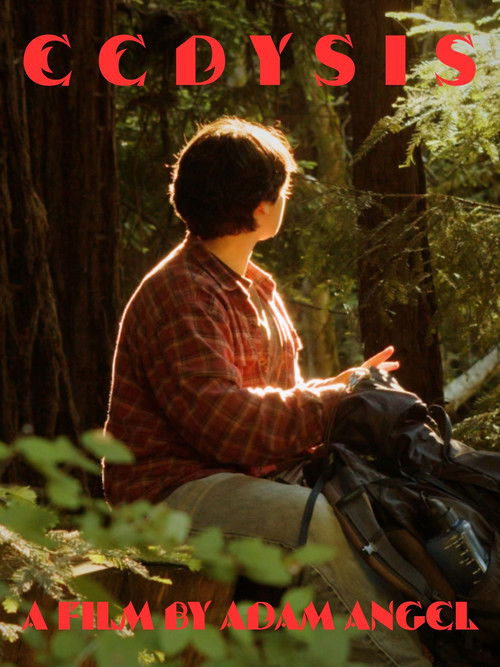
Ecdysis (2025)
Directed by Adam Angel
No · Ultra Based
How we score movies →Consciousness Markers
The cast includes actors of varying backgrounds, but the film makes no explicit point of representation. Casting appears naturalistic rather than intentional.
The protagonist is male and no feminist themes appear central to the narrative. Gender politics do not factor into the story as described.
The film's introspective structure and existential questioning carry a contemplative, philosophical tone rather than preachy messaging.
While the cast may be racially diverse, the film shows no engagement with racial themes, consciousness, or commentary.
The protagonist's internal searching could be read as neurodivergent introspection, but this is speculative and not confirmed by available materials.
No LGBTQ+ themes, representation, or subtext are evident in the available plot description or promotional materials.
Climate change or environmental advocacy plays no role in this coming-of-age narrative.
The film contains no critique of capitalism, class systems, or economic structures.
Body positivity or disability acceptance themes do not appear to factor into the narrative.
The film is a contemporary coming-of-age story with no historical narrative or revisionist elements.
Synopsis
Yearning for a specific feeling linked to adolescence, a young boy sets out in search of fulfillment and closure, meeting a friendly companion along the way. However, when additional scenarios present themselves, he is left to question what it is he truly is searching for.
Why it received this score
Ecdysis arrives as a 14-minute short film from 16-year-old auteur Adam Angel, a work that treats its subject matter with the utmost earnestness: adolescent malaise and the search for meaning. The film concerns itself with a young boy's quest for some ineffable feeling tethered to his teenage years, a companion appearing along his journey, and the existential vertigo that accompanies the realization that what one seeks may not be what one actually needs. The cinematography and score are self-directed, suggesting a filmmaker of considerable technical ambition if not yet considerable thematic sophistication.
What strikes one most acutely about Ecdysis is its refusal to engage with contemporary cultural preoccupations. The narrative unfolds as a personal meditation on internal states rather than external systems. The cast, drawn from relative unknowns, exists in the story without particular attention to demographic representation or identity politics. The film concerns itself with the universal adolescent experience as opposed to the specifically marginalized adolescent experience, a choice that reads as either admirably humanist or deliberately apolitical depending on one's disposition.
The work screened at the All-American High School Film Festival to respectable reception, though detailed critical engagement with its social dimensions remains limited. As a student film exploring coming-of-age themes through a lens of personal introspection, it occupies a space largely untouched by the cultural consciousness metrics that have come to dominate contemporary discourse. One might describe this either as a failure to reckon with modern social realities or as a refreshing absence of programmatic messaging. The film simply does not seem interested in whether such questions matter.
Analysis generated by our Consciousness Algorithm
Critic Reviews
“A visually stunning exploration of personal transformation, 'Ecdysis' is a thoughtful and introspective coming-of-age story.”
“A visually striking film that grapples with complex themes of identity and personal growth.”
“While the pacing can be slow at times, the film's metaphorical themes of shedding one's skin leave a lasting impression.”
“An ambitious but uneven effort, 'Ecdysis' has moments of brilliance but ultimately fails to fully connect with the audience.”