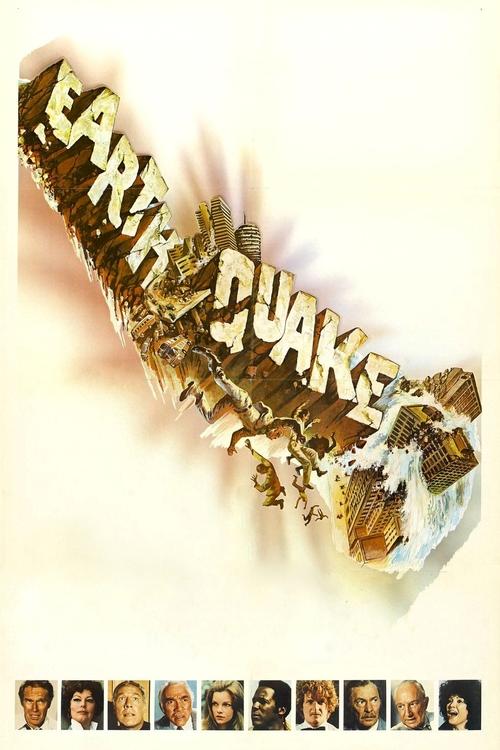
Earthquake (1974)
Directed by Mark Robson
No · Ultra Based
How we score movies →Consciousness Markers
The cast includes Richard Roundtree and other minorities, but this reflects 1974 Hollywood demographics rather than intentional representation. No particular consciousness of casting is evident.
While the film features minority cast members, there is no attempt to address, acknowledge, or explore racial themes. Diversity is incidental to the disaster narrative.
The geologist character provides exposition about earthquakes and seismic activity, which occasionally borders on educational preachiness, though this serves the plot rather than moralizing.
Female characters exist in the film but serve primarily as supporting roles and emotional anchors for male protagonists. No feminist agenda or consciousness is evident.
No LGBTQ+ themes, characters, or subtext are present in this disaster narrative.
The earthquake is a natural disaster, not framed through any environmental or climate consciousness. No commentary on humanity's relationship with nature is offered.
The film contains no critique of economic systems, corporate responsibility, or wealth inequality. Disaster affects all social classes equally in this narrative.
No body diversity is represented or celebrated. All cast members conform to conventional standards of physical appearance.
No neurodivergent characters or themes appear in the film.
The film makes no attempt to reframe historical events or challenge conventional historical narratives.


Synopsis
Various interconnected people struggle to survive when an earthquake of unimaginable magnitude hits Los Angeles, California.
Why it received this score
Earthquake is a 1974 disaster spectacle concerned primarily with the mechanics of structural collapse and the logistics of mass tragedy. The film's narrative thrust centers on survival and human resilience in the face of natural catastrophe, a fundamentally apolitical premise that allows various social types to coexist without commentary. Richard Roundtree's presence in the cast represents an interesting artifact of post-civil rights casting practices, yet the film makes no effort to interrogate or highlight his race; he simply exists as one survivor among many. Charlton Heston anchors the proceedings with his typical gravitas, playing a geologist whose expertise provides convenient exposition about the disaster itself.
The film's representation is incidental rather than intentional. A diverse ensemble emerges naturally from the needs of a sprawling disaster narrative set in Los Angeles, where such diversity would be unremarkable in 1974. There is no consciousness of what we might now call progressive sensibilities. The female characters, including Ava Gardner and Geneviève Bujold, function as plot devices and emotional anchors for the male protagonists rather than as agents of their own stories. No climate commentary appears, no structural critique of capitalism, no exploration of neurodivergence or body diversity. The film simply stages spectacular destruction and watches how various people respond to it.
This is a film of its time, made in service of technical innovation and spectacle rather than social consciousness. It demands evaluation within the context of 1974 cinema, where such concerns were largely absent from mainstream entertainment. By contemporary standards, it registers as almost aggressively neutral on matters of cultural awareness, which is precisely the point. It is a disaster film, nothing more.
Analysis generated by our Consciousness Algorithm
Critic Reviews
“Mark Robson's Earthquake is an excellent dramatic exploitation extravaganza, combining brilliant special effects with a multi-character plot line which is surprisingly above average for this type film. Large cast is headed by Charlton Heston, who comes off better than usual because he is not Superman, instead just one of the gang.”
“For those who have a soft spot for calamity pictures, there's a sense of ritual cleansing afterward. And for some reason, it also made me hungry.”
“The picture is swill, but it isn't a cheat; it's an entertaining marathon of Grade-A destruction effects, with B-picture stock characters spinning through it.”
“Awful disaster movie that combined the worst elements of soap opera with special effects (bad matte paintings and the ridiculous Sensurround)--featuring an all-star cast that should have stayed home and waited for a real earthquake.”