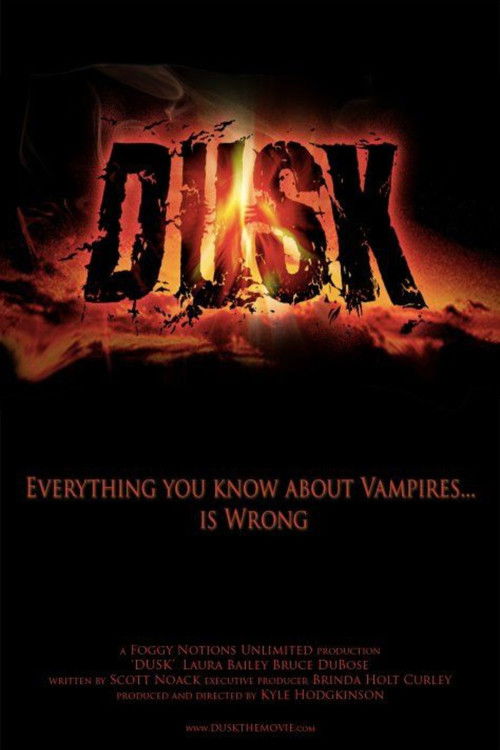
Dusk (2026)
Directed by Kyle Hodgkinson
No · Based
How we score movies →Consciousness Markers
The film features a female protagonist and diverse supporting cast, including actors of color. Casting appears deliberate and reflects contemporary diversity standards, though no explicit messaging accompanies this choice.
A woman serves as the central figure confronting supernatural threat, which provides basic female agency. However, the framing emphasizes personal survival and psychological horror rather than feminist critique or consciousness.
The cast includes actors of various backgrounds, but no available materials indicate that racial themes or consciousness inform the narrative. Diversity appears representational rather than thematic.
Marketing materials emphasize character-driven narrative and genre mechanics. While the film's themes may invite philosophical reflection, no promotional content suggests preachy or preachy messaging.
Horror films typically emphasize physical threat and bodily vulnerability rather than body positivity messaging. No specific information suggests this film departs from genre conventions in this regard.
No available information suggests LGBTQ+ themes or characters. The horror narrative framework does not appear to engage with queer representation or sexuality as thematic elements.
No evidence of climate-related themes or environmental consciousness in the film's premise or marketing materials. The supernatural horror premise does not engage with ecological concerns.
The narrative centers on personal supernatural threat rather than systemic or economic critique. No anti-capitalist messaging or themes are apparent in available materials.
No available information indicates that neurodivergence or mental health conditions are explored as thematic elements. The psychological horror framework does not appear to engage with neurodivergent representation.
The film's temporal recursion involves personal memory and supernatural haunting rather than historical reinterpretation. No revisionist historical messaging is evident.
Synopsis
When a series of unexplained events begin to echo across time, one woman finds herself at the center of a threat that refuses to stay buried. As the past bleeds into the present, she is forced to confront a presence that seems to follow her across lives, memories, and moments she can't fully explain. DUSK is a psychological horror film that blends suspense and supernatural elements, exploring the idea that some darkness doesn't end—it returns.
Why it received this score
Dusk presents itself as a psychological horror exercise that happens to center on a female protagonist, a distinction worth parsing carefully. The film's promotional materials emphasize its casting of Laura Bailey, a voice actor known for her advocacy work and visibility within progressive communities, yet the narrative framework appears designed around genre mechanics rather than explicit cultural commentary. The presence of a diverse ensemble cast, including figures like Bruce DuBose and Todd Haberkorn, suggests a certain baseline commitment to representation, though whether this constitutes deliberate progressive signaling or simply reflects contemporary casting norms remains ambiguous.
The film's thematic preoccupations, insofar as we can discern them from available materials, center on temporal recursion and personal haunting rather than systemic critique. A woman pursued by supernatural forces across multiple timelines and lives invites psychological and existential readings, yet nothing in the available synopsis gestures toward explicitly progressive social consciousness. The emphasis on "character-driven descent into fear" and survival horror mechanics positions Dusk squarely within genre tradition, where female leads have become increasingly common without necessarily implying ideological commitment.
What emerges from the available evidence is a modest indie horror production that benefits from being led by a culturally conscious actor while maintaining apparent thematic distance from overt social messaging. The film neither announces nor seems to pursue progressive agendas with any particular vigor. It is, in other words, a competent exercise in horror filmmaking that happens to employ contemporary casting practices and a known progressive figure, a combination that yields a middling score reflecting neither enthusiastic embrace nor rejection of modern cultural sensibilities.
Analysis generated by our Consciousness Algorithm