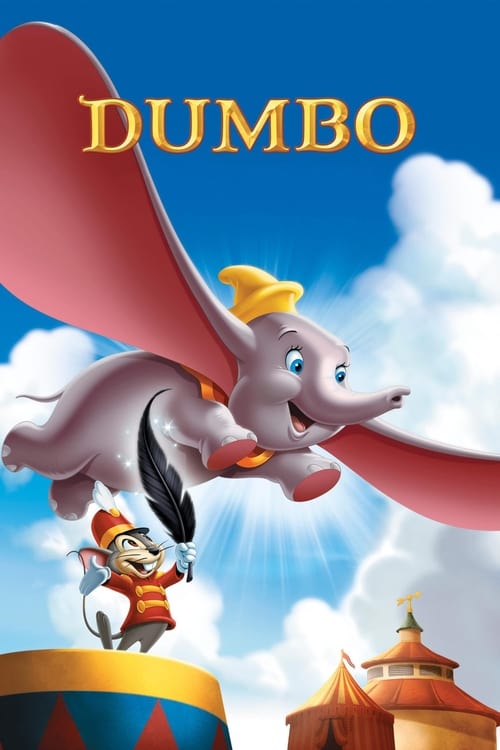
Dumbo (1941)
Directed by Ben Sharpsteen
No · Ultra Based
How we score movies →Consciousness Markers
The Jim Crow sequence represents a significant engagement with racial imagery, though entirely through the lens of minstrelsy and stereotype rather than progressive consciousness. The film's racial content is actively regressive.
Dumbo's large ears are presented as his distinguishing feature and ultimate source of triumph, suggesting acceptance of physical difference. However, this is incidental rather than deliberate body-positive messaging.
The film features minimal representation, and what exists relies heavily on racial caricature in the Jim Crow sequence. The Hall Johnson Choir provides voices for the crows, but the characterization is deeply stereotypical rather than respectful.
No LGBTQ+ themes are present in the film. The relationships depicted are entirely heteronormative and non-sexual in nature, reflecting the era's conventions.
The film contains no feminist messaging. Female characters are present but serve traditional roles without any agenda regarding gender equality or female empowerment.
No climate-related themes appear in the film. The narrative concerns a circus elephant and contains no environmental messaging whatsoever.
The film presents no anti-capitalist critique. The circus setting and entrepreneurial themes are treated neutrally without any questioning of economic systems.
No neurodivergent representation or themes are present in the film. Character differences are portrayed through physical rather than neurological dimensions.
The film contains no historical narrative or revisionist elements. It is a fictional fairy tale with no pretense to historical accuracy.
The film contains no preachy messaging or moral lectures. It tells its story straightforwardly without pausing to educate the audience about contemporary issues.


Synopsis
Dumbo is a baby elephant born with over-sized ears and a supreme lack of confidence. But thanks to his even more diminutive buddy Timothy the Mouse, the pint-sized pachyderm learns to surmount all obstacles.
Why it received this score
Dumbo presents a peculiar challenge for contemporary cultural analysis, being a 1941 film that predates modern progressive sensibilities by several decades. The narrative itself concerns an outcast protagonist who learns self-acceptance through friendship, a theme of genuine emotional resonance that requires no contemporary political valence to function. One observes in the film's core story a kind of humanistic optimism that transcends era: the small, mocked creature finds dignity and triumph through perseverance and loyalty. This is simply good storytelling, untainted by the markers we track.
The difficulty emerges in the Jim Crow sequence, a musical number featuring anthropomorphic crows that embodies minstrelsy tradition in its most explicit form. The crows speak in heavy, exaggerated dialect, engage in buffoonish behavior, and the lead character is literally named after segregation law. This is not incidental representation but deliberate caricature deployed for comic effect. The sequence represents the film's only engagement with contemporary racial imagery, though the imagery is regrettably one of crude stereotype rather than progressive consciousness. One cannot score this as modern wokeness because it is actively hostile to such sensibilities, yet it cannot be ignored as a historical artifact.
The remainder of Dumbo contains no other markers of contemporary progressive messaging. The supporting cast exists without commentary on diversity. There are no LGBTQ+ themes, no climate consciousness, no body-positive agenda, no neurodivergent representation, no revisionist history. The film is simply a children's story from another era, rendered problematic by a single sequence that crystallizes the casual racism of its time. This is not a film made with progressive intent. It is a film that contains within it the unexamined prejudices of 1941 Hollywood, concentrated in one particularly egregious scene.
Analysis generated by our Consciousness Algorithm
Critic Reviews
“Burton’s command of this material and his masterful visual sense makes this Dumbo an engaging delight. Like that winsome elephant, it really does soar.”
“The new story is decidedly, deliciously dark, veined with thin layers of Burton’s trademark macabre sensibility, which adds texture and tartness to the inherent charm of the story (at heart, one about the parent-child bond and the possibility of the impossible).”
“An enchanting blend of Disney twinkle and Tim Burton’s dark whimsy that’s at its best when venturing off the beaten path. Come for the super-cute elephant, stay for Keaton and DeVito’s glorious reunion.”
“Disney’s new Dumbo is one ponderous pachyderm, a live-action remake of the 1941 animated classic with a grim tone and a dead soul. It’s astounding that Tim Burton and his colleagues could have created such a downer from a long-beloved source of delight. ”