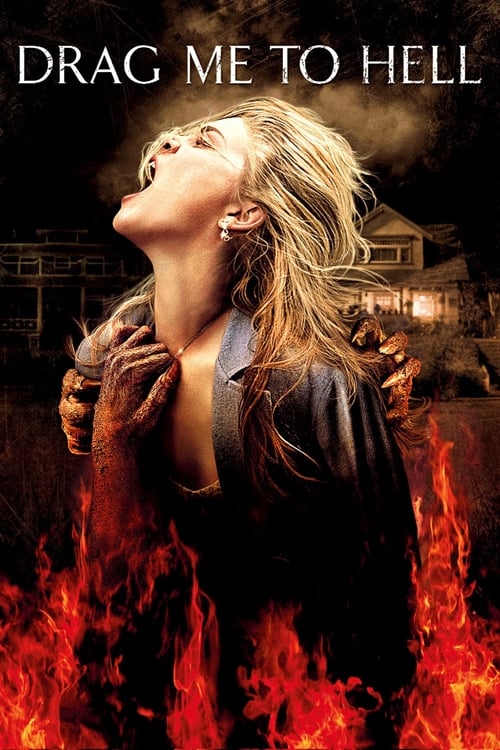
Drag Me to Hell (2009)
Directed by Sam Raimi
No · Ultra Based
How we score movies →Consciousness Markers
Christine is a female protagonist in a position of professional power, but the narrative does not engage with feminist ideology or critique systemic gender issues.
The cast includes diverse actors, but the primary antagonist is defined by and stereotyped through her Gypsy ethnicity, undermining any positive representation.
Christine's ruthlessness in denying the loan to advance her career carries implicit commentary on institutional cruelty, but the film does not develop this into systemic critique.
The film perpetuates ethnic stereotypes of Romani people as mystical and vengeful. While not actively promoting racial consciousness, the problematic portrayal registers minimally.
No LGBTQ+ themes, characters, or storylines present in the film.
No climate-related themes or environmental consciousness present.
The elderly antagonist is depicted through grotesque body horror as part of the film's horror aesthetic, with no body positivity messaging.
No representation of neurodivergence or related themes.
No historical revisionism or reinterpretation of historical events.
The film does not preach or deliver preachy messaging about social issues.


Synopsis
After denying a woman the extension she needs to keep her home, loan officer Christine Brown sees her once-promising life take a startling turn for the worse. Christine is convinced she's been cursed by a Gypsy, but her boyfriend is skeptical. Her only hope seems to lie in a psychic who claims he can help her lift the curse and keep her soul from being dragged straight to hell.
Why it received this score
Sam Raimi's 2009 supernatural horror film presents a female loan officer as its protagonist, a detail that might momentarily suggest progressive sensibilities before one considers the actual substance of the narrative. Christine Brown occupies a position of institutional power at a bank, yet the film demonstrates no interest in interrogating the systems that would reward her ruthlessness or the structural inequities she perpetuates. Her character arc concerns only her personal moral reckoning with a supernatural curse, not any examination of predatory lending practices or the human cost of financial gatekeeping. The film's relationship with social consciousness extends primarily to depicting the consequences of her individual cruelty rather than critiquing the machinery that incentivizes such behavior.
The most substantive criticism of the film's approach to cultural representation concerns its treatment of the Gypsy antagonist, Mrs. Ganush. Portrayed by Lorna Raver, the character functions as a repository of mystical malevolence tied directly to her ethnicity. She embodies precisely the sort of ethnic stereotype that has haunted Romani peoples for centuries, the figure of the vengeful outsider whose supernatural powers emerge from cultural otherness. The film does not complicate or interrogate this trope; it deploys it as straightforward plot machinery. This is not progressive consciousness at work, but rather horror cinema operating in its traditional register of using marginalized communities as vessels for fear.
The remainder of the film's cultural markers register as essentially dormant. There are no LGBTQ+ themes, no climate consciousness, no examination of neurodivergence, no body positivity messaging, no historical revisionism, and no preachy impulse toward social instruction. What we have is a competently executed horror spectacle that views its female lead as an interesting protagonist for genre purposes, not as a vehicle for any particular social vision. The film succeeds entirely on its own terms as entertainment, but those terms remain largely indifferent to the progressive social sensibilities that would later come to dominate cultural discourse.
Analysis generated by our Consciousness Algorithm
Critic Reviews
“Raimi has made the most crazy, fun, and terrifying horror movie in years.”
“With that fire in his belly, Raimi's Drag Me to Hell does everything we want a horror film to do: It is fearsomely scary, wickedly funny and diabolically gross.”
“This film is cunningly crafted in every detail--direction, script, performances, comic timing, special effects--from thunderous start to delicious finish.”