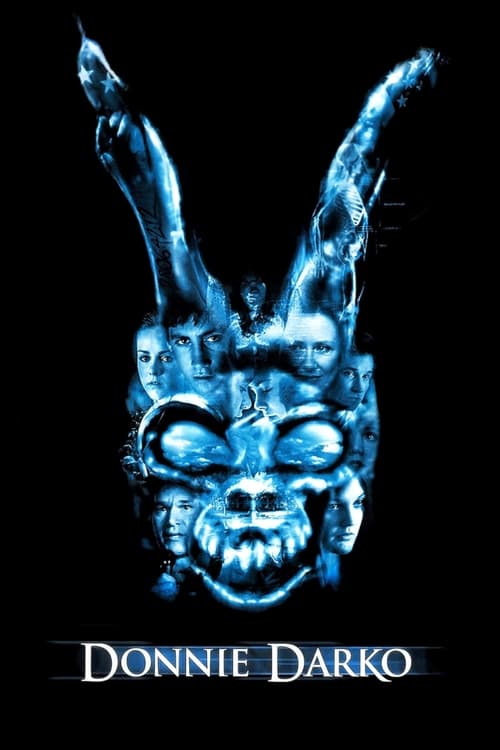
Donnie Darko (2001)
Directed by Richard Kelly
No · Based
How we score movies →Consciousness Markers
The film centers on a protagonist with untreated mental illness, depicting psychological deterioration and erratic behavior. The portrayal is ambiguous and surreal rather than educational, but demonstrates significant engagement with neurodivergent experience.
Female characters demonstrate agency and complexity, but the film does not engage with modern feminist critique or frameworks. Gender exploration occurs through the lens of mental illness rather than systemic analysis.
Female characters appear in substantial roles, but their presence reflects natural casting rather than explicit representation consciousness. The film centers on a white male protagonist in a predominantly white suburban setting.
Mild satire of suburban consumerism and conformity appears throughout, but lacks coherent anti-capitalist framework or sustained critique of systemic economic inequality.
Dialogue from authority figures offers conventional wisdom about therapy and mental health, but the film is not preachy in a modern progressive sense.
No LGBTQ+ themes, characters, or representation are present in the film.
The film is set in a white suburban milieu with no attention to racial dynamics or representation beyond white characters.
Environmental themes are entirely absent from the narrative.
No body positivity messaging or diverse body representation is present in the film.
The film is set in 1988 but contains no revisionist historical claims or reframing of historical events.


Synopsis
After narrowly escaping a bizarre accident, a troubled teenager is plagued by visions of a large bunny rabbit that manipulates him to commit a series of crimes.
Why it received this score
Donnie Darko arrives as a curiosity from the pre-woke era, a film so thoroughly committed to psychological surrealism that it sidesteps most contemporary cultural concerns entirely. Richard Kelly's directorial debut centers on a mentally unstable teenager navigating suburban dysfunction through increasingly hallucinatory episodes, a setup that could invite modern progressive interrogation but instead opts for metaphysical ambiguity. The film's treatment of mental illness is its most progressive element, though even this predates the contemporary neurodiversity movement by several years and maintains an artistic distance from advocacy.
The ensemble cast, while featuring capable female performers like Jena Malone and Drew Barrymore, exists within a fundamentally white suburban landscape that makes no claims about representation or systemic inequality. The film's mild satire of consumerism and conformist culture reflects pre-9/11 anxieties about American suburban life rather than coherent anti-capitalist critique. Gender dynamics emerge through the lens of mental illness vulnerability and adolescent alienation, but without the explicit framework one would expect from contemporary progressive cinema.
What emerges is a film that remains genuinely disinterested in the cultural markers that would define wokeness in subsequent decades. Donnie Darko operates according to its own artistic logic, prioritizing narrative puzzle and psychological texture over social consciousness. This is not a failing, precisely, but rather an artifact of its historical moment. The film was made at a time when progressive sensibility had not yet crystallized into the specific cultural constellation we now recognize, and it wears this historical distance like a comfortable irrelevance.
Analysis generated by our Consciousness Algorithm
Critic Reviews
“Like gathering storm clouds, Donnie Darko creates an atmosphere of eerie calm and mounting menace -- stands as one of the most exceptional movies of 2001.”
“Kelly, the 26-year-old writer-director of this excitingly original indie vision, shares more artistically with Wes Anderson or Paul Thomas Anderson than he does with Spielberg or John Hughes, but the point is, he's out on his own here. He swings big -- with flair.”
“It is funny, sad and beautiful. And it's right on time.”
“Just another self-absorbed teen chronicle, with the added twist of a little time travel and a surprise ending.”