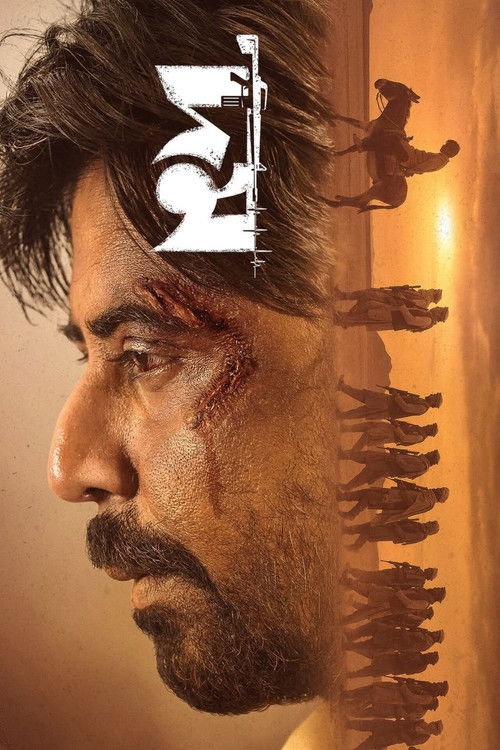
Domm (2026)
Directed by Redoan Rony
No · Ultra Based
How we score movies →Consciousness Markers
The film features a Bangladeshi cast for a Bangladeshi story set in Bangladesh. This is organic regional authenticity, not the Western progressive representation framework.
No LGBTQ+ themes, characters, or subtext are present anywhere in the available evidence.
The central narrative is driven by a male protagonist fighting to survive and return to his family. No feminist agenda or gender-politics framing is evident.
No modern racial consciousness framework is present. The film operates within a Bangladeshi cultural context without invoking contemporary Western racial discourse.
No climate themes, environmental messaging, or ecological subtext of any kind.
Ransom and abduction form the plot mechanics, but there is no anti-capitalist ideological framing or critique of economic systems.
No body positivity themes or messaging are present.
No neurodivergence themes or characters are evident.
The film is based on true events but shows no indication of historical revisionism or reframing of the past through a modern ideological lens.
Religious and cultural values are present in the film's texture, but as traditional Islamic framing native to the story, not as progressive sermonizing directed at the audience.
Synopsis
Based on true events, the film examines abduction, ransom, and one man's determined fight to reunite with his family.
Why it received this score
Domm arrives from Bangladesh with the bracing confidence of a film that has absolutely no interest in the cultural conversations currently dominating Western cinema discourse. Directed by Redoan Rony and released during Eid-ul-Fitr, it is a survival thriller about a man who is abducted, held for ransom, and refuses to stop breathing until he gets back to his family. The film roots its protagonist in Bangladeshi national identity and traditional Islamic faith, not as a political statement or a corrective to anything, but simply as the texture of a life. This is a refreshingly rare posture. The film appears to have no awareness that it is supposed to be doing something else.
The critical reception describes it as "visceral, flawed yet necessary," which is the kind of review that suggests a film is genuinely trying to tell a story rather than illustrate a syllabus. Concerns were raised in at least one review about whether the religious portrayal might be superficial, a worry that the film apparently managed to dispel. A thriller that earns its faith-based themes through character rather than checklist is, in 2026, a minor anthropological curiosity. We note this without irony.
Across all ten markers of contemporary progressive sensibility, Domm registers essentially nothing. There is no lecture energy, no gender-politics architecture, no climate anxiety, no body-image messaging, no racial consciousness framework of the modern Western variety. The cast is Bangladeshi because the story is Bangladeshi. A man suffers, endures, and fights for his family. The machinery of social instruction is entirely absent. The film is, by the metrics of this exercise, a statistical void, and it wears that distinction with complete indifference.
Analysis generated by our Consciousness Algorithm