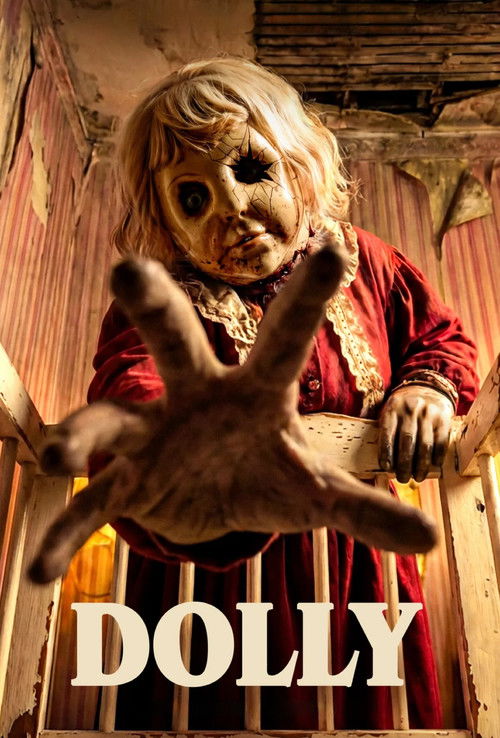
Dolly (2026)
Directed by Rod Blackhurst · $42.7M domestic
No · Ultra Based
How we score movies →Consciousness Markers
Female lead and diverse supporting cast are present, but casting appears driven by narrative necessity rather than explicit diversity initiatives. No commentary on representation itself.
The antagonist's behavior suggests profound psychological disturbance, but this is presented as pure monstrosity rather than neurodivergence or mental health commentary.
While the film centers a female protagonist, it does so within traditional exploitation horror conventions. No feminist critique or consciousness is present.
The film deliberately minimizes dialogue and eschews exposition. Its commitment to showing rather than telling actively resists preachy messaging.
The film contains no critique of economic systems or class structures. Its isolated setting precludes such commentary.
No LGBTQ+ themes or representation evident in the narrative. The genderless antagonist does not function as commentary on gender or sexuality.
No explicit racial themes or commentary. The film operates in a deliberately post-identity space, treating characters as generic horror archetypes.
No environmental themes whatsoever. The backwoods setting is purely aesthetic and atmospheric, not a vehicle for ecological commentary.
The film actively rejects body positivity through its commitment to visceral body horror and exploitation aesthetics.
No historical narrative. The film exists in a timeless, generic backwoods space with no relationship to actual history.
Synopsis
Young Macy is abducted by a deranged, monstrous figure who wants to raise her as its child.
Why it received this score
Rod Blackhurst's Dolly is a backwoods slasher that operates with the deliberate indifference of a film allergic to contemporary cultural commentary. Shot on grainy 16mm and clocking in at a austere 83 minutes, this is horror stripped of pretense, interested only in the mechanics of terror and suffering. The film presents a female protagonist in genuine jeopardy, which is to say it traffics in the exploitation traditions of 1970s horror cinema without apology or irony. That Fabianne Therese carries much of the narrative weight speaks less to progressive casting than to the practical demands of the genre.
The film makes no visible gestures toward social consciousness. Its monstrous antagonist, played by Max Lindsey, embodies a genderless parental pathology that exists outside the framework of modern identity discourse. There is no commentary on motherhood, no exploration of gender dynamics, no interrogation of the social structures that would produce such a creature. The creature simply exists as a force of nature, malevolent and inarticulate. This is precisely the point. Blackhurst has constructed a film that refuses the contemporary impulse to load genre entertainment with layers of thematic significance or cultural awareness.
Critics have noted the film's resemblance to Zach Cregger's Barbarian, but where that earlier work embedded social commentary into its premise, Dolly declines such ambitions entirely. It is a film content to be nasty, vicious, and ultimately hollow in its refusal to suggest anything about the world beyond its immediate frame. In this sense, it represents a kind of purity of purpose: horror as pure sensation, untethered to the progressive sensibilities that have increasingly colonized the genre.
Analysis generated by our Consciousness Algorithm
Critic Reviews
“Ultimately, Blackhurst’s new film is an unmissable horror gem that heralds the arrival of both a fresh new horror voice and an electrifying new villain for the ages.”
“As an exploitation pastiche, Rod Blackhurst’s new sicko fairy tale is a knockout. Made entirely on Super 16-millimeter film, it oozes grindhouse sleaze that almost reeks through the screen. Ashley K. Thomas’s special makeup effects are distinctively stomach-churning. There’s not much to it beyond that, and for lots of horror fans, that will be enough.”
“One senses that Rod Blackhurst knows that Dolly is undernourished, but his attempts to jazz it up by splitting it into transparently titled chapters only calls further attention to that dearth of imagination.”