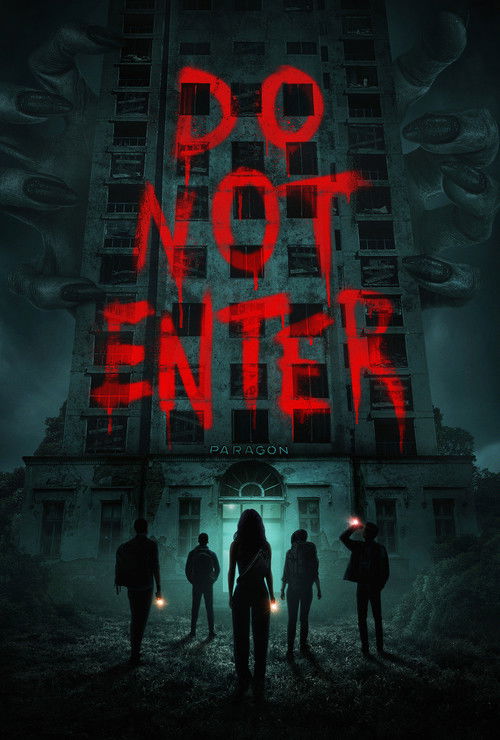
Do Not Enter (2026)
Directed by Marc Klasfeld
No · Based
How we score movies →Consciousness Markers
The cast includes racial and ethnic diversity with actors like Javier Botet, Shane Paul McGhie, and others, but this appears incidental rather than programmatic. Diversity is present without commentary.
While the cast is racially diverse, there is no evidence of the film engaging with racial themes, historical consciousness, or cultural commentary about race.
The cast includes women in the ensemble (Francesca Reale, Adeline Rudolph), but there is no indication of feminist reframing or gender-conscious storytelling within the adventure narrative.
The plot involves competing groups searching for treasure, but this is a standard plot device with no apparent critique of wealth accumulation or capitalist systems.
As a straightforward horror-thriller, the film appears designed for entertainment rather than instruction, though the presence of multiple writers suggests some expository dialogue may be present.
The abandoned hotel setting could theoretically carry historical resonance, but there is no evidence the film engages in historical reinterpretation or revisionism.
No evidence of LGBTQ+ themes, representation, or content in the plot or available information about the film.
No indication of environmental themes, climate anxiety, or ecological consciousness in this supernatural horror premise.
No evidence of body positivity themes or engagement with diverse body representation as a conscious narrative choice.
No indication of neurodivergent representation or themes in the available information about this film.
Synopsis
A group of young explorers investigates an old abandoned hotel, only to encounter a strange supernatural being and a competing group looking for a legendary hidden treasure.
Why it received this score
Do Not Enter presents itself as a straightforward supernatural thriller, adapted from David Morrell's 2005 novel, and makes no pretense of bearing the weight of progressive cultural consciousness. The film assembles a cast of considerable racial and ethnic diversity, though this appears to stem from ordinary casting practices rather than any deliberate programmatic commitment to representation. The explorers investigating the abandoned hotel and searching for treasure function primarily as plot devices to be menaced by the film's supernatural antagonist, not as vehicles for commentary on systemic inequity or historical grievance. Director Marc Klasfeld, known primarily for music video work, has crafted what amounts to a fairly conventional haunted house narrative with no discernible agenda beyond the generation of scares.
The screenplay, written by Stephen Susco, Spencer Mandel, and Dinega Hadnot, shows no signs of retrofitting contemporary social consciousness onto the 2005 source material. There is no evidence of LGBTQ+ thematic content, no feminist reframing of the adventure narrative, and no apparent interest in exploring colonial legacies or environmental degradation. The film's competing groups searching for treasure within a supernatural setting offers no opportunity for anti-capitalist critique, nor does the premise suggest any engagement with neurodiversity or bodily autonomy concerns. This is simply a horror film designed to deliver genre pleasures without ideological contamination.
What results is a film content to occupy its narrow generic lane without apology. The casting decisions, while reasonably inclusive by the standards of contemporary Hollywood, reflect demographic realities rather than conscious social positioning. The supernatural threat operates as a pure narrative mechanism, not a metaphor for systemic oppression or cultural anxiety. Do Not Enter represents the kind of straightforward entertainment that has largely fallen out of fashion in an era when many films feel obligated to signal their progressive credentials at every opportunity. Whether this constitutes a virtue or a vice depends entirely on one's tolerance for commercial filmmaking unencumbered by contemporary cultural preoccupations.
Analysis generated by our Consciousness Algorithm
Critic Reviews
“Do Not Enter, the 2026 horror thriller directed by Marc Klasfeld and released by Lionsgate on March 20, delivers a timely cautionary tale wrapped in urban exploration and supernatural dread.”
“Honestly? Do Not Enter is a super derivative influencer horror that trades the intrigue of its source material for obnoxious social media archetypes and dumb livestream horror shenanigans.”
“More like Do Not Watch. The new Lionsgate movie from prolific music video director Marc Klasfeld is excruciatingly dull, unintentionally silly, and a viewing experience to avoid at all costs.”
“The Creepers are thrill-seeking urban explorers who love pushing things to the edge, and their latest stunt - livestreaming from New Jersey's abandoned Paragon Hotel - is their biggest yet. With its mobster past, supposed ghosts, and rumored stash of $300 million, the Paragon is catnip to the Creepers, a surefire way to increase their fanbase. But fear has other plans. Daring to enter...”