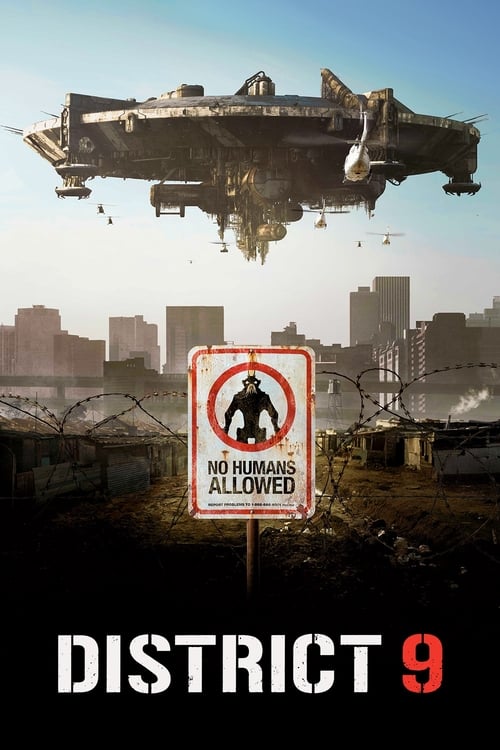
District 9 (2009)
Directed by Neill Blomkamp
Partly · Woke-Adjacent
How we score movies →Consciousness Markers
The film engages directly with themes of xenophobia and systemic dehumanization through an apartheid allegory. However, this remains abstracted through the alien metaphor rather than directly addressing historical racism.
The film's social commentary is delivered through narrative and visual metaphor rather than explicit preachiness, though the allegory itself functions as a form of educational messaging about injustice.
Uses science fiction to reimagine historical oppression through allegory, but does not engage with correcting historical narratives or centering marginalized historical perspectives.
While the film critiques corporate exploitation through Multi-National United, it does not question consumption or propose systemic economic alternatives.
The primary cast is predominantly white and male. While South African actors appear, they are largely in supporting roles. No meaningful effort toward intersectional representation.
Female characters exist but are minimal and underdeveloped, serving primarily as supporting roles to the male protagonist's narrative.
No LGBTQ+ themes, characters, or representation present in the film.
No climate or environmental themes present. The aliens' dying planet is plot device, not commentary.
No body positivity themes. The alien transformation is presented as horrifying body horror.
No representation of or engagement with neurodivergence.


Synopsis
Thirty years ago, aliens arrive on Earth. Not to conquer or give aid, but to find refuge from their dying planet. Separated from humans in a South African area called District 9, the aliens are managed by Multi-National United, which is unconcerned with the aliens' welfare but will do anything to master their advanced technology. When a company field agent contracts a mysterious virus that begins to alter his DNA, there is only one place he can hide: District 9.
Why it received this score
District 9 stands as a curious artifact from the pre-woke science fiction landscape, a film that mistakes structural allegory for meaningful social commentary. Neill Blomkamp constructs an elaborate metaphor for apartheid and xenophobia using extraterrestrial refugees, which allows him to explore themes of systemic dehumanization without confronting the actual specificity of South African racial history. The film's visual language is undeniably sophisticated, yet it remains an exercise in abstraction that keeps its audience at a comfortable distance from the material it ostensibly critiques.
The protagonist's forced metamorphosis into an alien, while narratively convenient, functions as a kind of narrative shorthand for empathy rather than a genuine reckoning with institutional racism. The film positions the viewer as enlightened observer of injustice rather than implicating broader systems of complicity. What we find is a movie that uses the language of social consciousness without the commitment to follow through on its implications, preferring instead the cathartic spectacle of action sequences and body horror. For 2009, this represented a certain cultural sophistication, but it lacks the specific markers of contemporary progressive filmmaking.
The cast remains predominantly white and male, the institutional critique never extends to questioning capitalist extraction or consumption, and there exists no substantive engagement with how marginalized communities might represent themselves. The film treats oppression as a puzzle to be solved through individual moral awakening rather than systemic transformation. It remains, above all, a film made for audiences who wish to feel concerned about injustice without having their comfort meaningfully disrupted.
Analysis generated by our Consciousness Algorithm
Critic Reviews
“No true fan of science fiction -- or, for that matter, cinema -- can help but thrill to the action, high stakes and suspense built around a very original chase movie.”
“The humanity of District 9 adds another dimension to this multilayered, rewarding work -- one of the best of the summer, and undoubtedly the most inventive from the multiplex this year.”
“Madly original, cheekily political, altogether exciting District 9.”
“The movie falls into the same uneasy category as "Eight Legged Freaks": too tongue-in-cheek to be thrilling, not funny enough to be a comedy.”