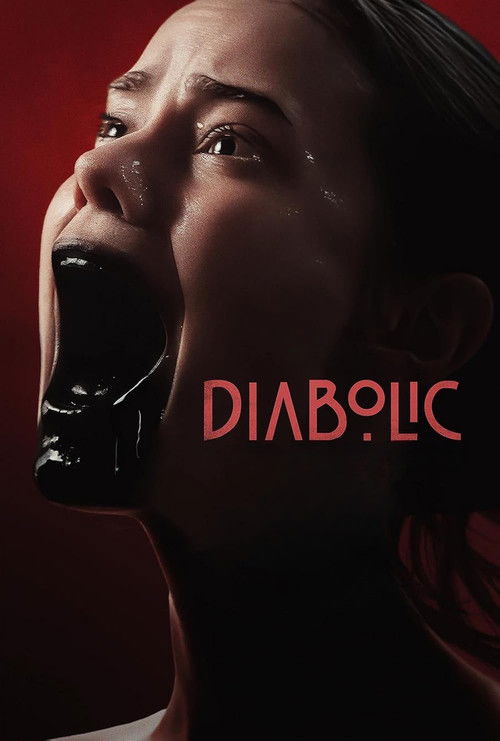
Diabolic (2025)
Directed by Daniel J. Phillips
Partly · Woke-Adjacent
How we score movies →Consciousness Markers
The narrative centers on a woman's bodily autonomy being violated by male-dominated religious authority. Themes of female agency, resistance, and solidarity with other women (Gwen) run throughout.
The film conveys its anti-cult and feminist themes through narrative and character dynamics rather than explicit exposition, but the critique of religious manipulation is fairly direct and preachy in places.
Lead role features a female protagonist with agency, but the cast appears predominantly white and Australian. No apparent effort toward broader demographic representation beyond gender.
The film references real FLDS practices and cult history but does not substantially reframe historical narratives. It engages with contemporary cult dynamics rather than revisiting past events with new interpretation.
The film critiques institutional religious control and manipulation but does not extend this critique to economic systems or capitalist structures underlying the cult's operations.
No visible LGBTQ+ themes or characters in available descriptions. The film focuses on heterosexual relationships and family dynamics within the cult context.
Elise's medical condition (mysterious blackouts) is treated as pathology requiring cure rather than explored as neurodivergence. No apparent representation of neurodivergent characters or perspectives.
Body positivity is not a thematic concern. The film treats the body primarily as a site of medical crisis and supernatural violation rather than celebrating bodily diversity.
No apparent engagement with racial themes, systemic racism, or intersectional analysis. The film treats religious extremism as a universal problem without racial or cultural specificity.
Climate consciousness is entirely absent from the film's thematic concerns or narrative framework.


Synopsis
A woman's hope for a miracle cure turns into a nightmare when she confronts the vengeful spirit of a cursed witch, determined to claim her as a vessel for her evil power.
Why it received this score
Diabolic arrives as a possession film that treats its critique of religious extremism with genuine severity rather than exploitative sensationalism. Set primarily within the world of Fundamentalist Latter-Day Saints practices, the film uses supernatural horror as a vehicle to examine how vulnerable people seeking healing can be manipulated by charismatic authority figures operating within insular communities. The narrative centers on Elise, a woman whose medical condition becomes reframed as spiritual crisis, and how the institutional structures claiming to help her instead facilitate her subjugation. This is not subtle messaging, but it is persistent and thematically coherent.
The film's engagement with gender dynamics deserves particular attention. Elise functions as more than a mere victim of possession; she is systematically disempowered by male-dominated religious authority that dismisses her agency and medical concerns in favor of supernatural explanations. Her friend Gwen appears positioned as a source of emotional support and perspective outside the cult apparatus. The casting of Elizabeth Cullen in the lead role provides a female-centered narrative where the protagonist's autonomy and resistance matter to the plot mechanics, not merely to the aesthetic of suffering. These elements register as earnest attempts at exploring gendered power dynamics within systems of control.
However, the film remains fundamentally a genre exercise in possession horror, which necessarily limits its social consciousness. The witch spirit itself, while narratively justified as a counterforce to institutional abuse, still operates within conventional horror tropes that predate contemporary progressive sensibilities. The film critiques specific religious extremism rather than engaging with systemic inequality more broadly. Its representation remains largely white and Australian, with no apparent engagement with racial or intersectional dimensions of cult manipulation. The critique of religion does not extend into systematic interrogation of capitalism, climate consciousness, or neurodiversity. What emerges is a horror film with clear anti-cult messaging and feminist undertones, but one that does not aspire to comprehensive progressive analysis.
Analysis generated by our Consciousness Algorithm