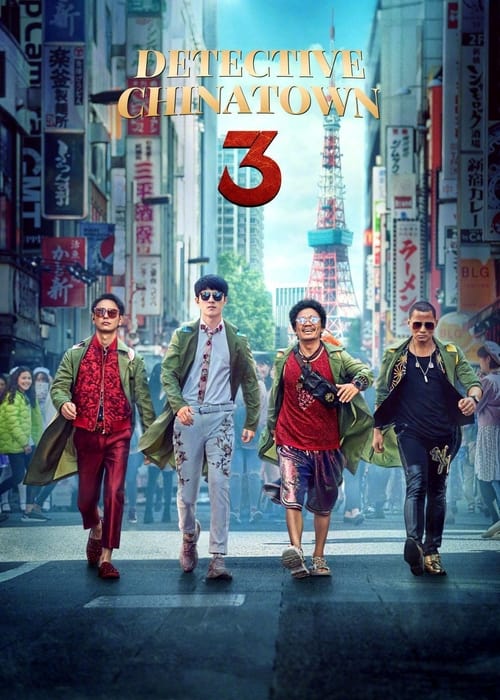
Detective Chinatown 3 (2021)
Directed by Chen Sicheng
No · Ultra Based
How we score movies →Consciousness Markers
The film features an international ensemble cast including Chinese, Japanese, and Thai actors, but this appears driven by narrative geography rather than conscious casting for representation. Casting is functional rather than ideologically motivated.
While the film features cross-cultural humor and an international setting, this serves comedic and narrative purposes rather than racial consciousness or social critique. Cultural differences are treated as sources of comedy rather than serious examination.
The film involves investigating a mafia head's death but does not contain anti-capitalist themes or critique of wealth and power structures. The narrative is apolitical regarding economic systems.
Female characters exist in the cast but serve primarily supportive roles to male protagonists. There is minimal feminist agenda or exploration of gender-based themes.
While the film includes cultural exposition about Japanese customs and traditions, this functions as educational entertainment rather than preachy messaging or lecture energy.
There is no evidence of LGBTQ+ themes, representation, or representation in this film. The narrative is entirely heteronormative and contains no relevant content.
There is no climate crusade or environmental messaging present in this detective mystery comedy.
There is no body positivity messaging or challenge to conventional beauty standards in this action-comedy film.
No neurodivergent representation or themes are present in the film.
This is a contemporary mystery film set in modern Tokyo with no historical revisionism or reinterpretation of past events.
Synopsis
Tang Ren and Qin Feng travel to Japan to investigate the death of a mafia head. As they suspect foul play, they engage in a battle of wits against foreign detectives.
Why it received this score
Detective Chinatown 3 arrived in February 2021 as a cultural phenomenon in China, grossing $706 million worldwide and establishing itself as the sixth-highest-grossing film of that year. It is, however, a film largely indifferent to the contemporary social consciousness frameworks that preoccupy critics in Western markets. The narrative revolves around an international ensemble of detectives competing to solve a mystery in Tokyo, a setup that necessitates multicultural casting but does not deploy that casting as a vehicle for progressive commentary. The humor derives from cultural misunderstandings and comedic timing rather than from social critique or awareness.
The film features actors from China, Japan, and Thailand (including Tony Jaa), but their presence functions as part of the adventure's geography and plot mechanics. There is no visible interrogation of representation, no foregrounding of minority perspectives, and no attempt to center marginalized voices. The female characters exist primarily to support the male leads' detective work. The tone is decidedly apolitical, treating its international setting as an exotic backdrop for slapstick comedy and mystery solving.
Detective Chinatown 3 succeeds entirely on the terms of entertainment, offering energetic, multicultural comedic spectacle that audiences sought after pandemic isolation. That this commercial success did not require social consciousness or progressive sensibilities to achieve suggests where the film's priorities actually reside. It is a thoroughly conventional buddy comedy that happens to be set internationally, and it wears that conventionality without apology.
Analysis generated by our Consciousness Algorithm
Critic Reviews
“Even when it is more dedicated to brand extension than the art of deduction, Detective Chinatown 3 exudes a heightened zaniness which is most welcome in today's largely homogenised franchise landscape.”
“For all its narrative and structural shortcomings, Cheng's film is always visually arresting and frequently very funny as it switches tone and tack at the drop of a hat.”
“Its enormous box office numbers notwithstanding, I have to rate Detective Chinatown 3 as something of a disappointment after the raucously engaging first two entries.”