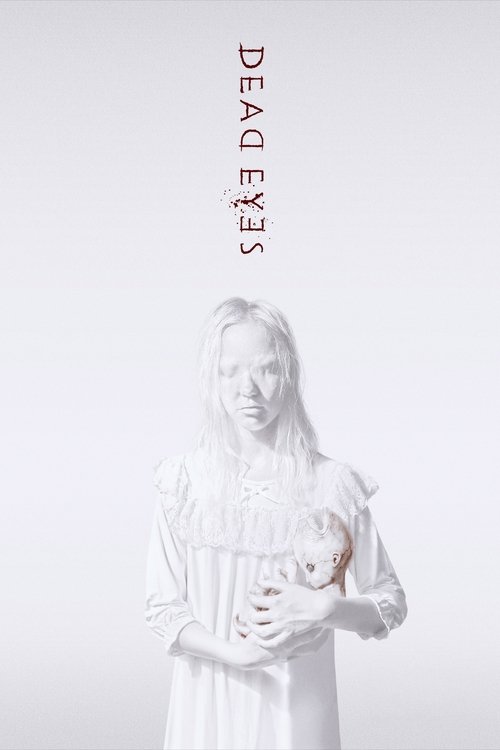
Dead Eyes (2026)
Directed by Richard E. Williams
No · Ultra Based
How we score movies →Consciousness Markers
The cast includes actors of Vietnamese and presumably other non-white backgrounds, but the film provides no evidence that their presence carries thematic significance or that their identities inform the narrative in any meaningful way.
The plot centers on a male protagonist's search for his father and his response to his sister's death. The female characters appear to serve supporting roles in what is fundamentally a male-centered narrative.
The film appears to prioritize atmospheric horror and plot mechanics over preachy messaging, though the supernatural premise could potentially accommodate some thematic exposition.
While the cast includes actors of color, there is no indication that the film engages with race, racism, or racial identity as thematic concerns.
No evidence of LGBTQ+ themes, characters, or representation in the available plot synopsis or cast information.
The forest setting functions as supernatural backdrop rather than as a site for environmental commentary or climate consciousness.
No evidence of anti-capitalist messaging, critique of economic systems, or class consciousness in the available plot information.
The film's focus on supernatural horror and family trauma provides no indication of body positivity messaging or any engagement with body image issues.
No evidence of neurodivergent representation or themes related to mental neurodiversity in the plot synopsis or available information.
As a contemporary supernatural horror film, the narrative does not engage with historical events or revisionist reinterpretation of historical narratives.
Synopsis
After the death of his sister, Sean and his friends venture into a remote forest to search for his missing father, only to uncover his dark secrets, where grief has become a bridge between the living and the dead.
Why it received this score
Dead Eyes occupies that peculiar space inhabited by many contemporary horror films: it exists as a technically competent exercise in genre mechanics while remaining almost aggressively indifferent to the cultural concerns of its moment. The narrative unfolds as a fairly standard descent into supernatural trauma, centered on a group of young people grappling with family secrets and the supernatural manifestations thereof. Grief serves as the film's primary thematic anchor, which is to say that Dead Eyes concerns itself with universal emotional experience rather than the particular social textures that have come to preoccupy contemporary cinema.
The cast composition includes Ana Thu Nguyen, a Vietnamese-Australian actress, and Alea O'Shea, suggesting some baseline attention to ethnic diversity in casting. However, the film's plot mechanics appear indifferent to whether this diversity carries any thematic weight or whether the characters are simply present as functional participants in a family drama. This is not necessarily a deficiency, but it does mean the film offers little to engage with in terms of contemporary representation consciousness. The supernatural elements and forest setting operate in a register largely divorced from questions of systemic inequality, institutional critique, or the various other markers that have become commonplace in progressive cinema.
What emerges is a film that occupies the margins of cultural discourse, neither aggressively engaging with nor explicitly rejecting the social preoccupations of 2026. It is, in other words, a horror film that chooses to be about horror, grief, and family dysfunction rather than using those elements as vehicles for broader social commentary. One might argue this represents either a refreshing return to genre fundamentals or a missed opportunity, depending on one's critical temperament. Dead Eyes commits to neither position with any particular conviction.
Analysis generated by our Consciousness Algorithm
Critic Reviews
“Richard E. Williams' Dead Eyes brings a really novel approach to woodsy horror with the first-person perspective, even if the plot becomes shaky.”