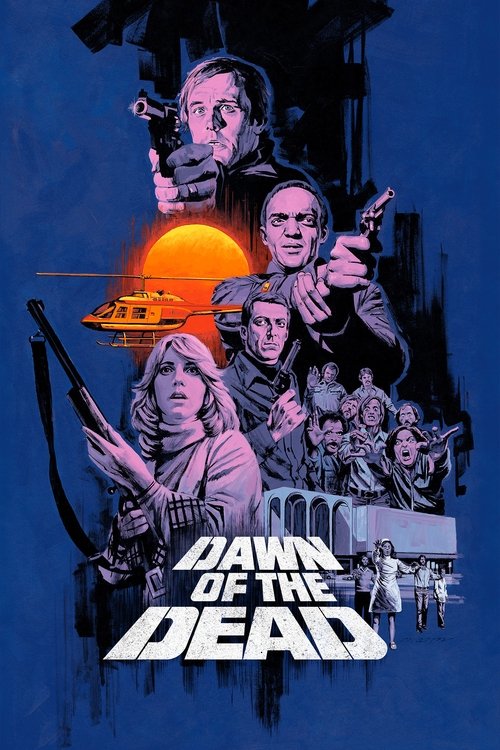
Dawn of the Dead (1978)
Directed by George A. Romero
No · Based
How we score movies →Consciousness Markers
The shopping mall setting and consumer behavior satire constitute genuine critique of capitalism and materialism. However, this critique operates through genre metaphor rather than explicit anti-capitalist ideology.
The film features an integrated cast with Ken Foree as a capable co-lead alongside white actors, presented without racial commentary. This was genuinely progressive for 1978 but lacks the explicit celebration of diverse representation that characterizes contemporary sensibility.
The film depicts urban Philadelphia and racial tensions through metaphor and setting rather than explicit racial consciousness. The integrated casting reflects progressive instincts but not modern racial awareness frameworks.
Gaylen Ross plays a capable female character who survives alongside male leads, but within conventional action-adventure gender dynamics. No explicit feminist framework or commentary on patriarchal structures.
While thematically rich, the film conveys its social commentary through narrative and visual metaphor rather than preachy exposition. Characters do not lecture about social issues.
The film engages with contemporary American culture and urban conditions but does not reinterpret historical events or challenge established historical narratives.
No LGBTQ+ themes, representation, or subtext present. The film contains only heterosexual relationships presented as narrative norms.
No climate themes or environmental consciousness present. The apocalypse is biological, not ecological.
No body positivity themes. The film treats bodies as conventional horror subjects without commentary on body diversity or acceptance.
No representation of or commentary on neurodivergence, autism, ADHD, or mental health conditions.

Synopsis
During an ever-growing epidemic of zombies that have risen from the dead, two Philadelphia SWAT team members, a traffic reporter, and his television-executive girlfriend seek refuge in a secluded shopping mall.
Why it received this score
George A. Romero's "Dawn of the Dead" presents a curious case for the cultural analyst. The film's satirical thrust concerns itself primarily with consumerism and the dehumanizing effects of late capitalism, themes that predate the contemporary progressive sensibility by decades. Its shopping mall setting functions as a critique of American materialism, with the undead masses serving as an unflattering mirror to the consumer impulse. The film deserves credit for its integrated cast, particularly Ken Foree's capable performance alongside white leads, presented without comment or special pleading. This was genuinely progressive for 1978 cinema.
Yet "Dawn of the Dead" operates according to the logic of pre-2015 liberalism rather than modern cultural consciousness. Its social commentary flows through metaphor and satire, not through explicit examination of identity categories or systemic oppression. The film critiques power structures through genre conventions, not through the lens of intersectionality or social justice frameworks. The female character, while reasonably drawn for the era, exists within conventional action-adventure dynamics. There is no space here for the specific markers of contemporary progressive cultural discourse: no celebration of neurodiversity, no interrogation of capitalist systems through an explicitly anti-capitalist lens, no climate consciousness, no body positivity agenda.
What we have is a genuinely intelligent horror film with legitimate social concerns, made by an artist with humane instincts. This is precisely why it scores as it does: intellectually serious but temporally displaced, socially conscious but not "conscious" in the particular 2020s sense that has become the cultural flashpoint. Romero was asking important questions about society. He simply was not asking them in the vocabulary that emerged forty-five years later.
Analysis generated by our Consciousness Algorithm
Critic Reviews
“Don't leave before the final frame -- if you're still breathing. ”
“Tense, bloody, funny and smart; lacks original's conscience, but it's still a surprisingly gritty remake. ”
“Dawn of the Dead is very much its own movie, and a disturbing one at that. But it also realizes we're in the theater to have fun, either grotesquely or cleverly.”
“Director Zack Snyder choreographs this like a video game, emphasizing the body count over character.”