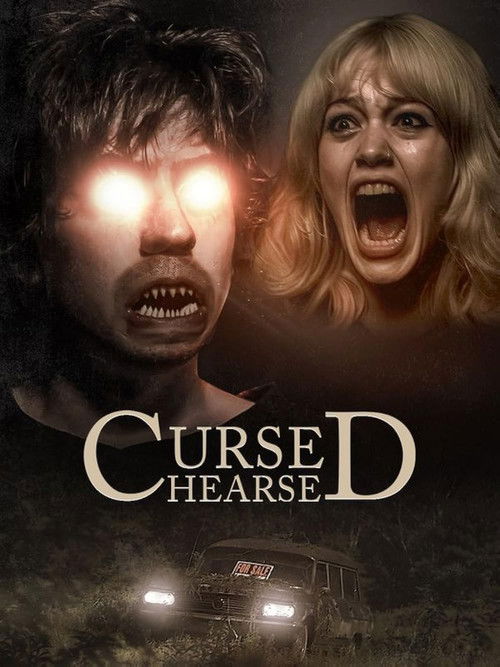
Cursed Hearse (2026)
Directed by Matthew Luke Tucci
No · Ultra Based
How we score movies →Consciousness Markers
While the protagonist's failed entrepreneurship provides comedic fodder, the film does not mount a serious critique of capitalism or wealth inequality. It simply uses economic desperation as plot device.
The cast is assembled without apparent consideration for demographic diversity or progressive representation. Characters appear selected for narrative function rather than cultural visibility.
No feminist agenda is apparent. The film treats all characters, regardless of gender, primarily as genre fodder for a supernatural comedy.
A hearse carries historical baggage, but the film treats this as supernatural plot mechanics rather than engaging with actual historical trauma or revisionist reinterpretation.
The film maintains the comedic and horrific tone of a genre entertainment. No characters deliver speeches about social justice or systemic oppression.
The film shows minimal engagement with racial themes or consciousness. Characters exist as generic genre types without racial subtext or commentary.
No LGBTQ+ themes, representation, or subtext are evident in the available information about the film.
No climate-related themes, environmental crusade, or ecological consciousness are present in the film's premise or available descriptions.
No apparent engagement with body positivity discourse. Bodies serve traditional horror and comedy functions without commentary on appearance or physicality.
No representation of neurodivergence, mental health conditions, or disability themes are evident in the film's available information.
Synopsis
When a down on his luck hipster buys an old hearse with the hopes of converting it into a limousine service, he soon finds out that there's a lot more to the hearse than he bargained for.
Why it received this score
Cursed Hearse arrives as a genial indie horror-comedy, the kind of project that would have been released direct-to-video in 2008 without fanfare or controversy. Director Matthew Luke Tucci has crafted a supernatural vehicle (literally) that concerns itself primarily with the business of scaring people and generating laughs from the collision of yuppie entrepreneurship and cosmic dread. A hipster attempts to flip a hearse into a limousine service, discovers it comes with metaphysical complications, and chaos ensues. The film operates within a firmly established genre framework and makes no apparent effort to interrogate or subvert social hierarchies.
The cast is demographically unremarkable, assembled without visible consideration toward representation quotas or progressive casting initiatives. No character exists to deliver homilies about systemic injustice or structural inequality. The film treats its hipster protagonist as a figure of light mockery based on his economic desperation and entrepreneurial naivety, not as a representative of any larger cultural category deserving interrogation. Arina Bacigalupo and the ensemble provide support without bearing the weight of cultural commentary. Bodies exist in the film to be threatened, moved around, occasionally injured in service of comedy and horror.
Pure genre exercise. Ninety-six minutes of supernatural trouble with minimal interest in the broader social moment. The film does not wrestle with climate anxiety, corporate malfeasance, historical trauma, or the insufficiency of representation. It simply wants to scare you and make you laugh. In the current landscape, such indifference to progressive sensibilities reads as its own form of rebellion, though one suspects the filmmakers arrived at this stance through genuine disinterest rather than deliberate provocation.
Analysis generated by our Consciousness Algorithm