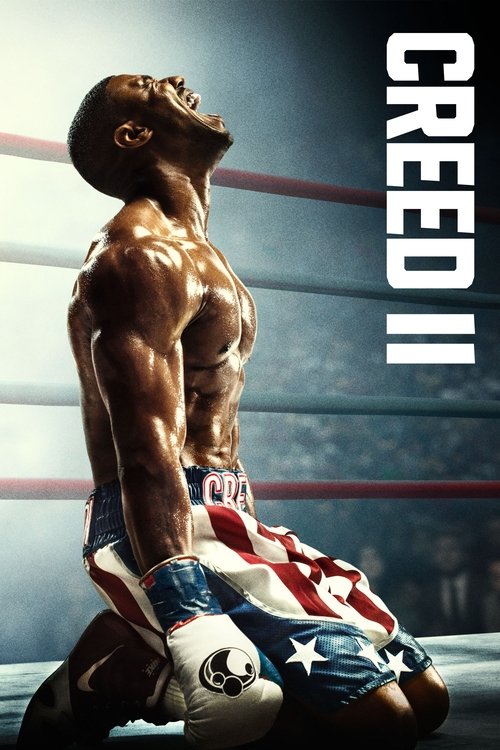
Creed II (2018)
Directed by Steven Caple Jr.
No · Ultra Based
How we score movies →Consciousness Markers
The film features Michael B. Jordan in the lead role and a racially diverse supporting cast, but this appears incidental to the narrative rather than a deliberate statement about representation. The casting reflects the franchise's existing demographics.
The film contains no explicit examination of racial dynamics or systemic racism. Characters of color populate the narrative naturally but without commentary on their lived experience or social position.
Female characters exist primarily as romantic partners and family members rather than as autonomous agents. Tessa Thompson's character serves mainly to support Adonis emotionally, with minimal independent narrative arc.
The narrative celebrates athletic achievement and personal success within capitalist structures rather than critiquing them. Sponsorships and commercial boxing apparatus appear unremarkable rather than problematic.
No LGBTQ+ characters, themes, or references appear in the film. The narrative contains no engagement with sexual or gender identity beyond heterosexual relationships.
Climate change receives no mention or thematic consideration. The film shows no environmental consciousness or reference to ecological concerns.
The film reinforces traditional ideals of athletic male physique as the standard for success and heroism. No exploration of diverse body types or disability representation occurs.
No characters exhibit neurodivergence or neurological difference. The film contains no representation of autism, ADHD, dyslexia, or other conditions.
The film does not reframe historical events or figures. It maintains established Rocky franchise mythology without attempting to revise or recontextualize its narrative foundations.
The film avoids preachy messaging or explicit instruction to the audience about social values. It proceeds through action and dialogue without pausing to deliver moral lessons.


Synopsis
Between personal obligations and training for his next big fight against an opponent with ties to his family's past, Adonis Creed is up against the challenge of his life.
Why it received this score
Creed II presents itself as a straightforward sports drama with minimal engagement in contemporary progressive sensibilities. The film's narrative focuses almost exclusively on the personal and athletic journey of its protagonist, treating supporting characters primarily as functional elements within a traditional boxing narrative. Phylicia Rashād appears as Adonis's mother and Tessa Thompson as his romantic partner, but neither role exhibits substantial depth or agency beyond their relationships to the male lead. The film makes no apparent effort to interrogate or celebrate the presence of these women as part of a broader cultural statement.
The production operates within the well-established conventions of the Rocky franchise, which predates modern social consciousness frameworks by decades. Steven Caple Jr.'s direction maintains fidelity to the series' foundational DNA rather than reimagining it through contemporary lenses. The antagonist, Viktor Drago, represents Cold War nostalgia rather than any meaningful engagement with current geopolitical discourse. The film's racial composition reflects casting that feels organic to the story rather than deliberately constructed as a statement of representation.
What emerges is a competent but culturally conservative sports film. It neither actively resists progressive themes nor embraces them with any conviction. The screenplay prioritizes legacy, masculinity, and the redemptive power of physical combat over any examination of systemic inequality, identity politics, or social consciousness. For a film released in 2018, this represents a deliberate step backward from even the first Creed's modest engagement with such concerns.
Analysis generated by our Consciousness Algorithm
Critic Reviews
“Creed II is a terrific movie, a boxing picture full of inspired sweetness and shrewd science that honors the cherished traditions of the genre while feeling like something new and exciting in the world.”
“Creed II pulls off a rather amazing feat by adding to the luster of its predecessor and propelling the narrative into a bright future while also reaching back to honor its past, resurrecting unfinished business from “Rocky IV” and adding a dash of “Rocky III.” Pound per pound, the sequel might even be better than its predecessor.”
“Creed II slavishly follows the sentimental-palooka Rocky template as if it were a sacred text. Still, it doesn’t make those old rope-a-dope tropes any less effective.”
“There’s barely an original thought or novel theme in Creed II, a movie that wrings more bloody-nose money from the original “Rocky” sequels in recycling characters, themes, fights and situations and putting Michael B. Jordan and Tessa Thompson instead of Stallone and Talia Shire in them this time.”