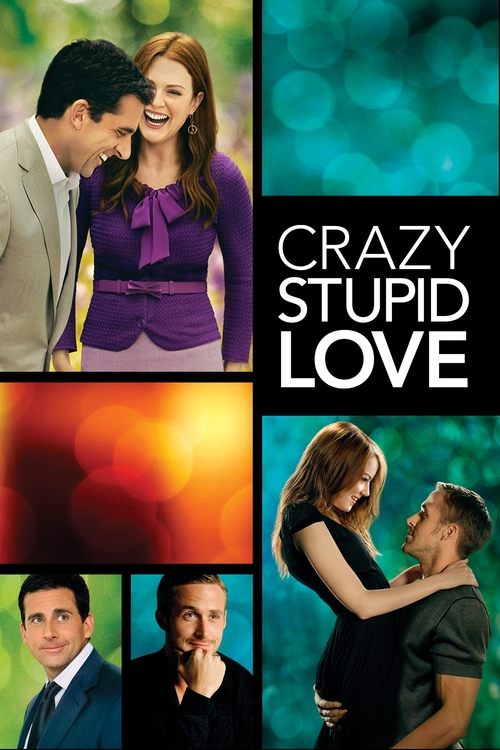
Crazy, Stupid, Love. (2011)
Directed by Glenn Ficarra
No · Ultra Based
How we score movies →Consciousness Markers
The cast includes diverse ethnicities and Lio Tipton appears in a supporting role, but the central narrative remains focused on white, affluent characters and their romantic entanglements. Representation exists but is not integrated into the thematic fabric of the story.
The film pays lip service to female autonomy through Emma Stone's character and Julianne Moore's agency in seeking divorce, yet ultimately frames female characters through the male gaze and their relationship to male desire or redemption.
Lio Tipton's character represents a subtle acknowledgment of LGBTQ+ presence in the narrative, though the character functions mainly as comic relief in a subplot and is not central to the film's emotional or thematic concerns.
While the film features actors of varying body types, there is no explicit engagement with body positivity as a theme or value. The narrative does not challenge conventional attractiveness standards.
The film maintains a light comedic tone and avoids preachy preaching, though its treatment of gender dynamics occasionally veers toward prescriptive advice about modern romance.
The film contains no substantive engagement with racial themes, consciousness, or systemic racial dynamics. Diverse casting serves as visual texture rather than narrative substance.
No climate-related themes, messaging, or consciousness appear in this romantic comedy about urban dating and marriage.
The narrative celebrates affluence, consumption, and the material trappings of success without any critique of capitalism or economic inequality.
No representation or thematic engagement with neurodivergence, disability, or cognitive differences appears in the film.
This contemporary romantic comedy contains no historical narrative or revisionist engagement with historical events or figures.


Synopsis
Cal Weaver is living the American dream. He has a good job, a beautiful house, great children and a beautiful wife, named Emily. Cal's seemingly perfect life unravels, however, when he learns that Emily has been unfaithful and wants a divorce. Over 40 and suddenly single, Cal is adrift in the fickle world of dating. Enter, Jacob Palmer, a self-styled player who takes Cal under his wing and teaches him how to be a hit with the ladies.
Why it received this score
Crazy, Stupid, Love presents itself as a progressive romantic comedy that wishes to interrogate modern relationships and the dissolution thereof, yet ultimately retreats into comfortable heteronormative structures and a fundamentally conservative view of gender dynamics. The film's central conceit, that a middle-aged man must be "reprogrammed" by a younger, more attractive male mentor into a predatory seducer, carries with it implications about masculinity and conquest that belong to an earlier cinema. Cal's transformation from devoted husband to practiced charmer occurs without the film offering any serious critique of the transactional nature of the dating game it celebrates. The women in the narrative, while portrayed by capable actors, function primarily as objects of desire or vessels for male redemption, whether Emily seeking forgiveness or Hannah (Emma Stone) existing as the prize that validates Cal's emotional growth. There is an attempt at gender-aware humor in the casting of a female bartender and the subplot involving Lio Tipton's character, yet these gestures amount to surface-level inclusion rather than structural reimagining. The film treats infidelity, divorce, and romantic failure with a lightness that suggests these matters are merely plot devices rather than serious emotional or ethical questions deserving genuine examination.
Analysis generated by our Consciousness Algorithm
Critic Reviews
“Nothing more (or less) than an enchanting light comedy of romantic confusion... It's a movie that understands love because it understands pain. ”
“A superb ensemble cast makes the most of the comedy's numerous detours and storylines.”
“Old-fashioned as that might sound, there's a fresh, insightful feel to this multigenerational love story.”
“What to say about an uphill slog called Crazy, Stupid, Love? It's not nearly crazy enough to clear the clogged arteries of summer comedies, and when the love appears, it's in all the wrong places. Oh well, at least they nailed the stupid part.”