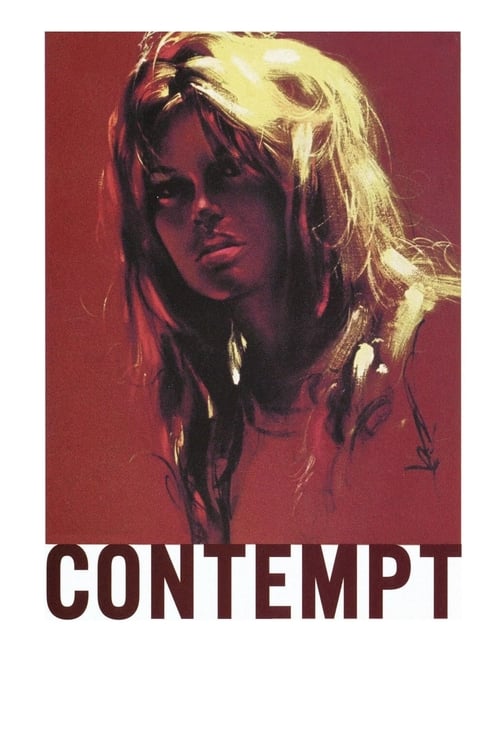
Contempt (1963)
Directed by Jean-Luc Godard
No · Ultra Based
How we score movies →Consciousness Markers
The film does engage with themes of artistic integrity versus commercial pressure, positioning the producer Prokosch as a philistine destroyer of art. However, this critique emerges from aesthetic rather than socialist ideology.
Godard's film is deliberately intellectual and challenges conventional viewing, but its lectures are about cinema and philosophy rather than social justice. The audience is positioned as complicit in the corruption of art.
While not intentionally progressive, the film's portrayal of Camille's marriage dissolution and her refusal to accept her husband's professional compromises contains mildly subversive elements regarding female agency, though this is incidental to Godard's artistic concerns.
Brigitte Bardot is prominently featured, but her role emphasizes her aesthetic appeal over character agency. The cast reflects 1963 European cinema norms with no deliberate commitment to diverse representation.
No LGBTQ+ themes or characters present. The film focuses entirely on heterosexual domestic and professional relationships.
The film exhibits no racial consciousness or engagement with racial themes. All principal characters are white Europeans, and the film contains no commentary on or awareness of racial issues.
Climate concerns are entirely absent from the film's thematic preoccupations. The Mediterranean setting is treated as a backdrop for philosophical and romantic drama.
The film's famous nude scene emphasizes Bardot's conventional beauty as an object of desire. There is no engagement with body positivity or diverse body representation.
Neurodivergence is not addressed or represented in the film. The characters operate within conventional psychological frameworks of the era.
The film does not engage with historical revisionism. References to Homer's Odyssey and the figure of Fritz Lang are treated straightforwardly within their historical context.

Synopsis
A philistine in the art film business, Jeremy Prokosch is a producer unhappy with the work of his director. Prokosch has hired Fritz Lang to direct an adaptation of "The Odyssey," but when it seems that the legendary filmmaker is making a picture destined to bomb at the box office, he brings in a screenwriter to energize the script. The professional intersects with the personal when a rift develops between the writer and his wife.
Why it received this score
Godard's "Contempt" exists in a realm so far removed from contemporary social consciousness that attempting to evaluate it through such a lens feels rather like assessing a medieval tapestry for its understanding of thermodynamics. The film is preoccupied with the death of cinema, the corruption of artistic vision by commerce, and the dissolution of a marriage, concerns that operate entirely within a European intellectual framework of 1963. Brigitte Bardot's character, Camille, functions primarily as an aesthetic object and the site of masculine anxiety rather than as a vehicle for any recognizable form of progressive sensibility. Her famous nude scene on the Mediterranean coast serves the film's formal interests, not any broader cultural agenda regarding the body.
The film does contain elements that, by accident rather than intention, align with certain contemporary values. Godard's refusal to provide the audience with conventional narrative satisfaction or emotional catharsis could be read as a mild rejection of patriarchal storytelling conventions, though this gives the director far too much credit for social consciousness. The marriage at the film's center dissolves over genuine incompatibility and professional resentment, and the film does not position the male protagonist as correct in his judgments, which distinguishes it from many of its contemporaries. Still, these observations amount to historical coincidence rather than deliberate engagement with modern progressive sensibilities.
"Contempt" remains an artwork of genuine complexity and formal innovation, but it belongs to a world that predates the specific cultural markers we now associate with progressive cinema by decades. Godard was concerned with the grammar of film, not the grammar of social justice.
Analysis generated by our Consciousness Algorithm
Critic Reviews
“Bardot and Piccoli are deeply sympathetic as a couple in free fall, the locations are invariably stunning and the score by Georges Delerue is so heartbreaking and epic that Scorsese borrowed it.”
“60 years on from its initial release, Jean-Luc Godard's elegant and layered Le Mépris (Contempt) remains a landmark achievement in his career and the French New Wave.”
“Godard, himself working with American co-producers and facing demands to insert nude shots of Bardot, turns this conflict between culture and cash into an ironic, self-reflexive odyssey.”
“Contempt fully earns every possible interpretation of its bold title, as Godard commits the ultimate act of artistic bravery, refuting everything he's embraced or known.”