Is Clayface (2026) Woke?
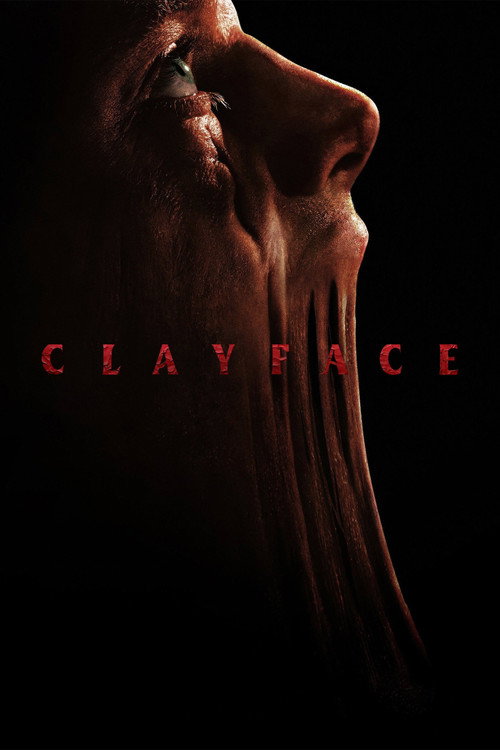
Clayface · 2026 · Directed by James Watkins · $24.0M domestic
Woke Score
CriticCritic Score
Audience
Ultra Based
Critics rated this 51 points above its woke score. Among Ultra Based films, this critic score ranks #948 of 1503.
Answer: No
Woke Score 8/100 · Verdict: Ultra Based
Strongest markers: Representation Casting (18) · Eat the Rich (12) · Lecture Energy (5)
Representation Casting
Score: 18/100
Naomi Ackie, a Black actress, holds a prominent co-lead role as the scientist central to the plot, and her casting received press attention. This is a non-trivial casting choice, though the character exists to serve the horror narrative rather than to make a statement about representation.
LGBTQ+ Themes
Score: 0/100
No LGBTQ+ themes, characters, or storylines are identified in any available research or critical coverage of the film.
Feminist Agenda
Score: 0/100
The film's central narrative is entirely focused on a male protagonist's disfigurement, identity collapse, and revenge. No feminist framing or female-empowerment arc is present.
Racial Consciousness
Score: 5/100
The class-mobility arc touching on Hagen's origins in 'The Narrows' carries faint socioeconomic undertones, but critics uniformly noted these remain secondary to the horror structure and no racial consciousness is foregrounded.
Climate Crusade
Score: 0/100
No climate, environmental, or ecological themes are present in the film's narrative or critical reception.
Eat the Rich
Score: 12/100
The Hollywood vanity and celebrity industrial complex serve as a backdrop, and the crime boss's violence driving the plot carries faint anti-establishment energy. These elements are atmospheric rather than polemical, and critics did not identify them as pointed social critique.
Body Positivity
Score: 0/100
The film's central horror is predicated on disfigurement as catastrophe and loss of physical form as psychological destruction, which runs in the precise opposite direction of body-positivity messaging.
Neurodivergence
Score: 0/100
The protagonist's grip on reality deteriorates as a horror mechanism driven by experimental nanotechnology, not as a sympathetic portrayal of neurodivergence or mental health advocacy.
Revisionist History
Score: 0/100
The film is set in a fictional Gotham City and draws on DC Comics mythology. No revisionist historical framing or recontextualization of real events is present.
Lecture Energy
Score: 5/100
The film gestures at themes of vanity, artificial identity, and the perils of AI-adjacent technology, but multiple critics explicitly noted these ideas are not developed into sustained argument. The film does not sermonize. It prefers to show people melting.
Synopsis
Matt Hagen's meteoric rise from Gotham street kid to Hollywood leading man is tragically cut short when a local crime boss's actions leave him horribly disfigured. Abandoned by his team and with nothing left, Matt seeks out a cutting edge treatment that miraculously returns him to his former self… but also unexpectedly affects his grip on reality, spiraling him down a destructive path of all-consuming revenge.
Why it received this score
*Clayface* arrives as a body-horror revenge film that, in a landscape of superhero properties straining under the weight of their own social consciousness, has the quiet audacity to simply be about a man melting. James Watkins, working from a script co-written by Mike Flanagan, has produced something that critics eagerly compared to Cronenberg's *The Fly* and Raimi's *Darkman*, which is accurate, and which also tells you everything you need to know about where its interests lie. The film's themes of Hollywood vanity, class mobility, and identity fragmentation are present in the way that load-bearing walls are present in a house: structural, unannounced, and not there to make a point. The *RogerEbert.com* review noted these ideas remain "largely secondary to R-rated gore setpieces." This is a sentence that should be engraved somewhere.
Naomi Ackie appears as Dr. Caitlyn Corr, the genetic scientist whose experimental nanotechnology treatment is the film's central MacGuffin, and her presence did prompt some press commentary about representation. This is the extent of the film's engagement with that discourse. Tom Rhys Harries incorporated his Welsh background into the character's code-switching between working-class Gotham and polished Hollywood stardom, which is an interesting performance choice and a thing that has happened in many films before the year 2015. The class dynamics of a street kid ascending to Oscar nominee are noted by the film and then subordinated, per *The Guardian*, to a "video game trajectory" revenge structure. The film is, in this sense, admirably honest about its priorities.
The culture-war discourse surrounding *Clayface* was, by all accounts, minimal. The primary controversy involved a critic publishing a review after seeing the film at an unannounced public screening, which is a controversy about journalism ethics and has nothing to do with social justice messaging. DC Studios co-CEO James Gunn defended the project by citing "genre variety and diversity in tone," a statement in which the word "diversity" is doing its most literal and least politically charged work. There is a certain relief in cataloguing a comic book film that generated no significant ideological friction. It is a rare specimen. We note it here, carefully, and move on.
Analysis generated by our Consciousness Algorithm
Critic Reviews
“Obviously, this is a film that can be easily shaped – like clay – for future stories. A popular story, excellent performances, and an engaging anti-hero main character is a recipe for entertainment. ”
“It cannot be overstated how much fun it is to soak up a film like this on what feels like its creators’ largely unhindered terms. ”
“Unlike other comic book villain-centric stories – Venom, say, or Joker – Watkins keeps you guessing whether any part of the deeply sympathetic Hagen is redeemable, and manages to stick the landing better than any of those other villain arcs. His movie’s Gotham, a twisted reflection of the American dream, is fascinating too. It’s the best DC film in years – if your stomach can stand it.”
“Watching this intriguing-on-paper chronicle of a Batman supervillain once again recast as a tragic antihero, one who’s dealing with the psychological fallout of his newly batshit physical state, is the equivalent of eating a handful of Play-Doh™, and twice as flavorless. ”
Related rankings
Consciousness Markers
Naomi Ackie, a Black actress, holds a prominent co-lead role as the scientist central to the plot, and her casting received press attention. This is a non-trivial casting choice, though the character exists to serve the horror narrative rather than to make a statement about representation.
No LGBTQ+ themes, characters, or storylines are identified in any available research or critical coverage of the film.
The film's central narrative is entirely focused on a male protagonist's disfigurement, identity collapse, and revenge. No feminist framing or female-empowerment arc is present.
The class-mobility arc touching on Hagen's origins in 'The Narrows' carries faint socioeconomic undertones, but critics uniformly noted these remain secondary to the horror structure and no racial consciousness is foregrounded.
No climate, environmental, or ecological themes are present in the film's narrative or critical reception.
The Hollywood vanity and celebrity industrial complex serve as a backdrop, and the crime boss's violence driving the plot carries faint anti-establishment energy. These elements are atmospheric rather than polemical, and critics did not identify them as pointed social critique.
The film's central horror is predicated on disfigurement as catastrophe and loss of physical form as psychological destruction, which runs in the precise opposite direction of body-positivity messaging.
The protagonist's grip on reality deteriorates as a horror mechanism driven by experimental nanotechnology, not as a sympathetic portrayal of neurodivergence or mental health advocacy.
The film is set in a fictional Gotham City and draws on DC Comics mythology. No revisionist historical framing or recontextualization of real events is present.
The film gestures at themes of vanity, artificial identity, and the perils of AI-adjacent technology, but multiple critics explicitly noted these ideas are not developed into sustained argument. The film does not sermonize. It prefers to show people melting.