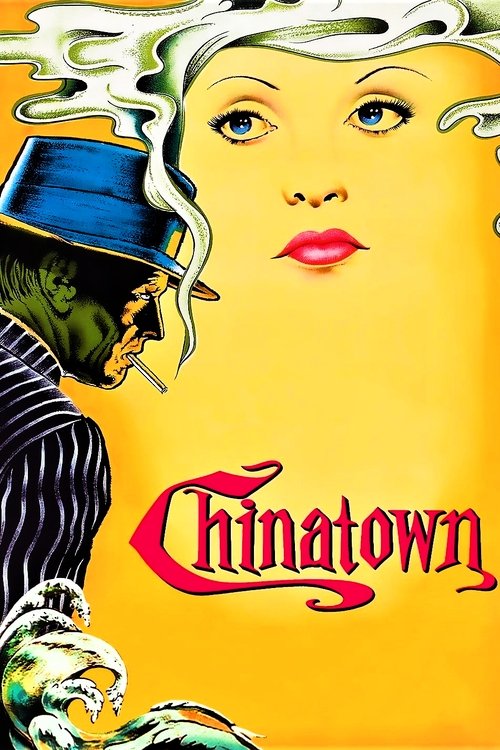
Chinatown (1974)
Directed by Roman Polanski
No · Ultra Based
How we score movies →Consciousness Markers
Corruption among wealthy men is depicted, but this is presented as a general observation about human nature rather than a systemic critique. The film contains no progressive economic analysis.
The cast includes some Asian actors, but they appear primarily in background roles. The casting reflects 1974 Hollywood norms with no deliberate effort toward contemporary representation consciousness.
The film uses Chinatown as an exotic, inscrutable backdrop. Asian characters lack agency and are depicted through exoticist stereotypes rather than as fully realized individuals.
Women are portrayed primarily as victims and objects of desire. Faye Dunaway's character is central but ultimately serves the male protagonist's narrative arc rather than possessing independent agency or consciousness.
The film delivers its cynical worldview through plot and character action rather than explicit dialogue. There is minimal preachy or preachy quality, though the overall message is bleak.
No LGBTQ+ themes or characters are present. The film is purely heterosexual in its romantic and narrative concerns.
No climate themes whatsoever. The film's concerns are entirely about water rights and land use corruption, not environmental consciousness.
No body positivity themes. Physical appearance is treated as a matter of attraction and deception, consistent with noir conventions.
No neurodivergence representation or themes. The film contains no engagement with disability or neurodivergent experience.
While the film engages with historical Los Angeles, it does not attempt to revise historical narratives or challenge dominant historical interpretations.


Synopsis
Private eye Jake Gittes lives off of the murky moral climate of sunbaked, pre-World War II Southern California. Hired by a beautiful socialite to investigate her husband's extra-marital affair, Gittes is swept into a maelstrom of double dealings and deadly deceits, uncovering a web of personal and political scandals that come crashing together.
Why it received this score
Chinatown is a 1974 neo-noir masterpiece that predates the modern progressive cultural moment by decades, and it shows. The film presents a complex moral landscape where corruption is systemic and inescapable, but it does so through a purely classical noir lens rather than through any contemporary social consciousness framework. The narrative centers on a male protagonist uncovering conspiracies, with women serving primarily as objects of mystery and desire within that masculine detective fantasy. Faye Dunaway's character exists primarily as a victim and a narrative device, her trauma ultimately serving the plot rather than being examined with any awareness of patriarchal structures.
The film's representation of Chinatown itself relies heavily on exoticist tropes, with the Asian community depicted as inscrutable and othered rather than as fully realized characters with agency. The film engages with themes of power and corruption, but not through any lens of social justice consciousness. Its nihilism is pure cynicism about human nature, not a critique of specific systems of oppression from a progressive standpoint. The film's anti-capitalist content, if we can call it that, amounts to a general observation that wealthy men are corrupt. This is hardly a contemporary progressive insight.
There is no engagement with representation casting as a deliberate choice, no LGBTQ+ themes, no body positivity, no neurodivergence representation, and no climate consciousness. The film simply reflects the sensibilities of a 1974 Hollywood crime drama, competently and beautifully executed, but entirely innocent of modern progressive sensibilities. It is a work of supreme craft in service of a decidedly apolitical vision.
Analysis generated by our Consciousness Algorithm
Critic Reviews
“A nearly flawless example of movie composition, with close examination revealing how carefully it was put together. For those who take a less studious and more visceral approach to movie viewing, it's also worth noting that Chinatown is a superior thriller - one that will keep viewers involved and "in the moment" until the final, mournful scene has come to a conclusion.”
“[Nicholson's] performance is key in keeping Chinatown from becoming just a genre crime picture--that, and a Robert Towne screenplay that evokes an older Los Angeles, a small city in a large desert.”
“A wonderfully brooding, suspenseful revisitation of the land of film noir, Chinatown is not only one of the greatest detective films, but one of the most perfectly constructed of all films.”
“As much as I admire the work of both (Roman) Polanski and (Jack) Nicholson, I found Chinatown tedious from beginning to just before the end. [15 July 1974]”