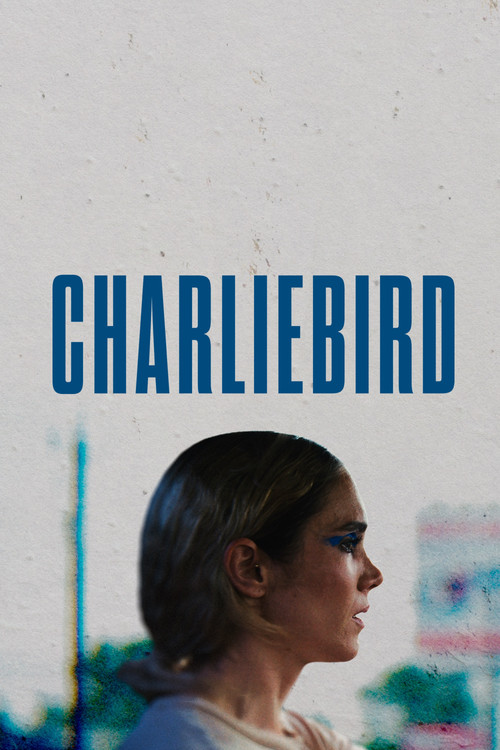
Charliebird (2026)
Directed by Libby Ewing
No · Based
How we score movies →Consciousness Markers
The film features a Latina lead actress and a cast that reflects the actual demographic mix of Houston-Galveston, Texas. The diversity reads as authentic regional casting rather than a corrective mission statement.
The film is written by, directed by, and centered on women, with director Libby Ewing explicitly focused on female-driven stories. The feminism here is structural rather than polemical: women simply occupy the story without announcing it.
A children's hospital music therapy practice almost certainly involves patients with neurological and developmental differences, though no coverage explicitly foregrounds neurodivergence as a thematic concern.
The working-class and middle-class Texas milieu is noted in coverage, and a children's hospital setting carries implicit commentary on healthcare access. No overt anti-capitalist messaging is identified.
IndieWire's characterization of an 'honest approach' and the critical focus on emotional interiority suggest a film that trusts its story to do the work. The ethical complexity of boundary-crossing in therapy is present, but coverage indicates restraint rather than sermonizing.
Race is not a subject the film appears to engage with directly. The multiethnic cast exists within the story without the film framing it as a racial consciousness exercise.
No LGBTQ+ themes, characters, or subplots are present in any available coverage of the film.
No climate themes, environmental messaging, or ecological concerns are present in the film's described content or coverage.
No body positivity themes or related content are present in any available coverage.
The film is an original contemporary drama with no historical subject matter to revise.


Synopsis
Al is a devoted music therapist at a children's hospital in Texas. Charlie is the rebellious teen patient assigned to work with her. When Charlie reveals a secret passion project, and professional lines begin to blur, the two forge an unexpected bond that will teach them both how to live.
Why it received this score
Charliebird arrives from the 2025 Tribeca Festival bearing a Jury Prize and the quiet confidence of a film that has nothing to prove to anyone, least of all to the discourse. Director Libby Ewing, working from a screenplay by her lead actress Samantha Smart, has constructed a drama about a music therapist and her teenage patient in the Houston-Galveston area, a premise that could, in less disciplined hands, have become a delivery mechanism for approved sentiments about healing, healthcare, and the human condition. It does not. The film's social awareness is embedded in its texture: a Latina lead, a cast that reflects the actual demographic reality of coastal Texas, a working-class healthcare setting that implies rather than announces its economic context. These elements are furniture, not arguments.
What is most notable, from a cultural taxonomy standpoint, is the film's studied refusal to editorialize. The ethical complexity at its center, a therapist whose professional boundaries blur with a patient, is treated as dramatic material rather than a case study for a symposium. Ewing's stated thematic interests in class, spirituality, and grief are present in the architecture of the story without being hoisted onto placards. The feminist dimension is real but unannounced: women wrote it, directed it, edited it, and inhabit its emotional core, and the film simply proceeds as if this were unremarkable. It is.
On the spectrum of contemporary progressive sensibility, Charliebird registers as a mild and largely accidental participant. It is the kind of film that scores points on a representation audit not because it set out to, but because it was made by people who live in the actual world. The lecture energy is essentially zero. The climate crisis is not consulted. The scoring rubric, applied here with the usual rigor, finds a film that is mostly just trying to tell a story about two people in a hospital in Texas, and largely succeeding at it. A rarity. File accordingly.
Analysis generated by our Consciousness Algorithm