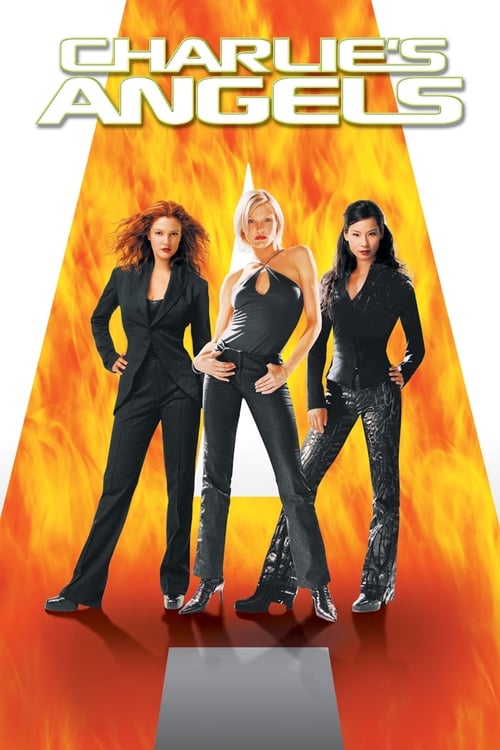
Charlie's Angels (2000)
Directed by McG
No · Ultra Based
How we score movies →Consciousness Markers
Three female leads in action roles was notable for 2000, and Lucy Liu's presence as an Asian-American protagonist carried representation value. However, the film's investment in representation is primarily visual rather than substantive or transformative.
The film features capable female protagonists, but offers no critique of patriarchal systems or meaningful engagement with feminist ideology. Female agency is presented as compatible with male fantasy rather than as a challenge to existing power structures.
Lucy Liu's casting as one of three leads provided racial representation unusual for mainstream action cinema in 2000, but the film demonstrates no conscious engagement with racial themes or identity.
The film occasionally acknowledges themes of privacy and individual autonomy in its plot, though these are treated as plot devices rather than vehicles for preachy commentary.
No LGBTQ+ themes, representation, or subtext present in the film.
No climate-related themes or environmental consciousness present in the film.
The film depicts corporate villainy but offers no critique of capitalism itself. The plot concerns privacy and surveillance but does not interrogate capitalist systems.
The film's visual language celebrates specific body types and beauty standards rather than promoting body diversity or positive representation of varied body types.
No representation of neurodivergent characters or engagement with neurodiversity themes.
The film is not a historical work and does not engage in revisionist historiography.


Synopsis
The captivating crime-fighting trio who are masters of disguise, espionage and martial arts are back. When a devious mastermind embroils them in a plot to destroy individual privacy, the Angels, aided by their loyal sidekick Bosley, set out to bring down the bad guys. But when a terrible secret is revealed, it makes the Angels targets for assassination.
Why it received this score
Charlie's Angels exists in an awkward temporal zone where it simultaneously celebrates female action heroes while drowning them in the particular visual language of early-2000s male fantasy. McG's direction treats the film as an extended music video, prioritizing style and spectacle over substantive character development. The three leads are competent, intelligent, and capable, but they are also consistently framed through the male gaze, their bodies deployed for visual effect rather than narrative purpose. This is not a film that deconstructs patriarchal systems or interrogates power dynamics. It is a film that asks us to enjoy beautiful women being beautiful while also being competent at their jobs.
The representation question here is thorny. Yes, the film centers women in roles traditionally occupied by men in action cinema. Yet the film's investment in progressive representation appears contingent on spectacle and sexuality rather than emerging from genuine commitment to expanding what women can do onscreen. Lucy Liu's presence as an Asian-American lead was notable for 2000, though the film does little to meaningfully engage with her identity beyond the visual. The film's feminism, such as it exists, is surface-level and inextricable from the male gaze that animates every frame.
The broader cultural landscape in which this film operates matters. Released in November 2000, it arrived before the modern progressive sensibilities that would later dominate discourse around representation. The film's approach to its female leads predates contemporary discussions about commodification and objectification by over a decade. In strict terms of modern cultural consciousness, Charlie's Angels registers as a thoroughly conventional action comedy that happens to feature female protagonists rather than as a film genuinely engaged with contemporary social justice frameworks.
Analysis generated by our Consciousness Algorithm
Critic Reviews
“So phenomenal that Bill Murray can't even steal it. And he tries. So excellent that Murray's MTV progeny Tom Green can't sink it.”
“A charming, hyper-energetic, and wittily self-aware action comedy about gorgeous girls.”
“It's a movie without a brain. Charlie's Angels is like the trailer for a video game movie, lacking only the video game, and the movie.”