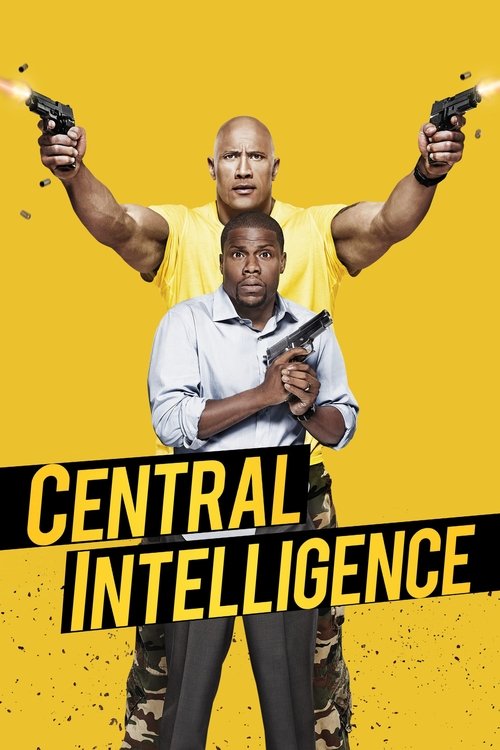
Central Intelligence (2016)
Directed by Rawson Marshall Thurber
No · Ultra Based
How we score movies →Consciousness Markers
The cast is racially and gender diverse, but this diversity is entirely incidental to the narrative. Characters are simply cast and the film does not comment on or center their identities.
Female characters exist in the film but their roles are minor and conventional. There is no articulated feminist agenda or commentary on gender dynamics.
While the film's plot involves one character's physical transformation, there is no body positivity messaging. The transformation is played for comedic effect rather than as a statement about body acceptance.
No LGBTQ themes or representation are present in the film. The narrative makes no reference to sexual orientation or gender identity.
The film contains no exploration of race as a theme or issue. Characters of color are simply present in the narrative without any racial consciousness or commentary.
Climate change or environmental concerns are not addressed in any form in this action-comedy.
The film contains no critique of capitalism or class systems. It is entirely unconcerned with economic structures or wealth inequality.
No neurodivergence is represented or discussed in the film. There is no engagement with this theme whatsoever.
The film contains no historical content or revisionist historical framing. It is set in the contemporary moment and makes no claims about history.
The film maintains a comedic tone throughout and contains no moments where the narrative pauses to deliver moral instruction or social commentary to the audience.


Synopsis
Calvin Joyner, a mild-mannered accountant whose high school glory days are long behind him, reconnects with an awkward pal from high school through Facebook. After meeting up, Calvin's mundane life takes an unexpectedly thrilling turn when he's thrust into the world of international espionage.
Why it received this score
Central Intelligence operates in that curious zone of contemporary Hollywood where diversity exists not as a deliberate statement but simply as the default palette from which casting directors now draw. The film features a racially mixed ensemble in roles that are not themselves about racial identity, which is to say the film contains no particular racial consciousness whatsoever. It is a buddy comedy, and it is content to remain one. The narrative arc concerns itself entirely with the reconciliation of two men, one physically transformed and now hyper-competent, the other a moderately successful accountant, and their mutual need to save each other from various forms of professional and existential mediocrity. There is no lecture, no grand statement about systemic anything. The film simply exists in a world where people of different backgrounds work together, and this is treated as entirely unremarkable.
The representation present in the film is incidental rather than intentional. Amy Ryan appears as a corporate executive, and her presence signals nothing beyond that she is an actor capable of delivering comedic timing. The film's gender politics are equally unremarkable. There is no particular feminist agenda at work here, nor any revisionist history, nor any climate consciousness, nor any special attention to neurodivergence or body positivity. The film has no interest in eating the rich, nor does it particularly celebrate LGBTQ themes. This is not a deficiency but rather an accurate assessment of what the film actually is: a piece of mainstream studio entertainment designed to generate revenue by pairing two comedians with contrasting physical presences in an action-comedy framework.
What results is a film of almost aggressive ordinariness, which in the context of our current moment renders it mildly progressive by virtue of its disinterest in progressive positioning. It does what it does, nothing more or less, and asks for no credit for simply existing in a world where such a cast would be unremarkable. In this respect, Central Intelligence achieves a kind of authenticity through its refusal to perform cultural awareness. It is a film about two men who like each other and who solve problems together. That this is sufficient for a summer action comedy speaks volumes about the current state of the industry.
Analysis generated by our Consciousness Algorithm
Critic Reviews
“The best thing about this movie is that you believe in the relationship. Hart and Johnson are a classic comedy duo in the tradition of Abbott & Costello, Bob Hope & Bing Crosby and Gene Wilder & Richard Pryor.”
“What makes Central Intelligence appealing in appalling times is volcanic chemistry between Dwayne Johnson and Kevin Hart. ”
“Central Intelligence is genuinely funny, intriguingly plotted, and quite frankly one of the biggest surprises of the year.”
“With its canned, predictable action sequences and mirthless attempts at humor, it displays an ineptitude that is frankly shocking considering the talent involved.”