Catching One's Breath (2026)
Directed by Benjamin Stone
No · Ultra Based
How we score movies →Consciousness Markers
The film's written description carries a certain rhetorical intensity, posing questions about sacrifice and security with the gravity of a thesis statement. The film itself, being abstract, cannot technically lecture. Its synopsis, however, is trying.
The film's central question, what is sacrificed for security and a pleasing image, could be read as a faint structural critique of consumer aesthetics. This is a generous interpretation and we are already regretting it.
There is no cast. There are no characters. There are no humans visible in any capacity that could be cast diversely or otherwise. The film has declined to include people entirely.
No LGBTQ+ themes, characters, or references are present. The film is eight minutes of optical sound on clear leader, which has not yet declared a sexuality.
No feminist content is present or implied. The absence of any human figures makes it difficult to establish a gender politics of any kind.
No racial themes, commentary, or characters are present. The film's visual plane consists of abstract imagery and printed sound, which exist outside the discourse of race.
No climate or environmental themes are present. The film's inquiry into aesthetic sacrifice does not extend to carbon footprints.
No bodies are present to be positive about. This is perhaps the most efficient solution to body image discourse yet devised by cinema.
No neurodivergent characters or themes are present. The film's sensory dissonance may be challenging to certain viewers, but this does not constitute representation.
No historical narrative exists to revise. The film operates in a space outside of history, or at minimum outside of plot.
Synopsis
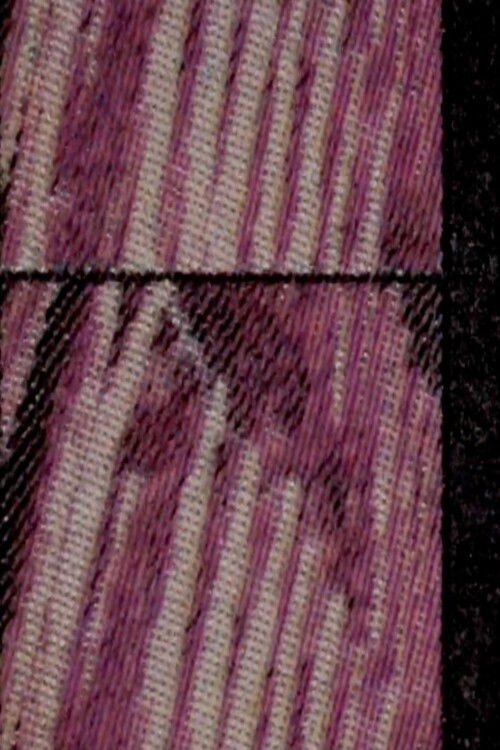
Displeasure in the colors. Discord in the hums and waves. The visual and material planes are not a sanctuary: indeed, they are a spotlight. What is sacrificed for our security and the comfort of a pleasing image? Images/Optical sound printed on clear leader.
Why it received this score
Benjamin Stone's "Catching One's Breath" is an eight-minute experimental film consisting of optical sound printed on clear leader, which is to say it is a film in the technical sense while remaining aggressively uninterested in being a film in any conventional sense. Stone, a recent MFA graduate from Binghamton University, has produced a work that asks what is sacrificed for security and the comfort of a pleasing image. The answer the film provides, structurally speaking, is: narrative, character, dialogue, plot, genre, and runtime longer than a sitcom cold open.
From a progressive social consciousness standpoint, the film presents a singular challenge to our classification apparatus. There are no characters to cast diversely. There are no relationships to code queerly. There is no body to celebrate, no history to revise, no corporation to indict. The anti-capitalist reading, in which the critique of "a pleasing image" gestures toward consumer aesthetics and the machinery of visual comfort, is available to those who wish to pursue it. We have pursued it briefly and emerged mildly unconvinced. The synopsis does carry a certain rhetorical weight that suggests a filmmaker who has attended seminars, but the film itself, being composed of light and sound rather than argument, cannot be said to sermonize.
What we are left with is a work that scores near-zero across every marker not through ideological opposition to progressive values, but through the more radical gesture of removing the human subject from the frame altogether. You cannot have representation politics without representation. Stone has, perhaps inadvertently, discovered the one cinematic strategy that completely defeats this critical methodology. We note this without admiration or complaint. It is simply what has occurred.
Analysis generated by our Consciousness Algorithm