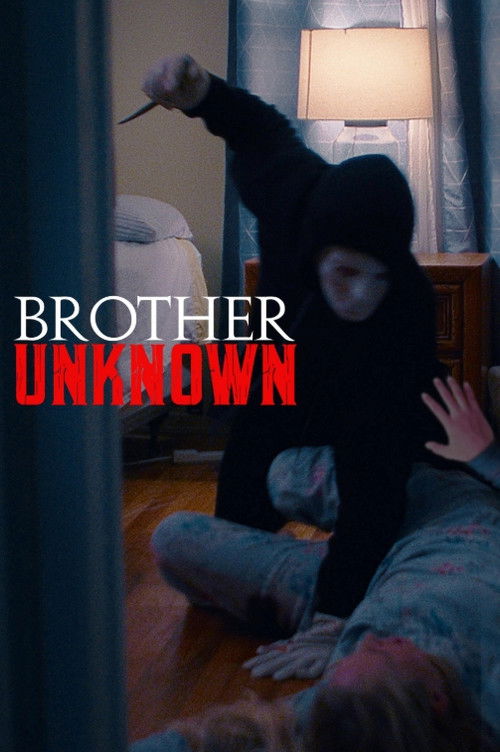
Brother Unknown (2026)
Directed by Alison Chan
No · Ultra Based
How we score movies →Consciousness Markers
The cast appears diverse in surname and first name distribution, but this reflects demographic reality rather than deliberate representation strategy. No evidence of conscious casting choices beyond standard professional hiring.
The protagonist is female and trauma-affected, but her characterization appears rooted in psychological thriller tropes rather than feminist critique. Her vulnerability serves plot mechanics, not gender commentary.
Paranoia and trauma response could gesture toward mental health representation, but appear presented as psychological symptoms rather than neurodivergent identity affirmation.
The film appears constructed for suspense and character psychology rather than preachy messaging. No indication of heavy-handed social commentary or moral instruction.
The foster system reference might imply historical critique, but the film shows no evidence of reframing historical narratives or challenging established historical frameworks.
The foster system could critique institutional capitalism, but the film treats it as personal trauma backdrop rather than systemic critique. No anti-capitalist framework evident.
Body positivity themes do not appear relevant to this psychological thriller. No indication of body image commentary or fat representation in available materials.
No indication of LGBTQ+ themes, characters, or representation in the available plot synopsis or marketing materials. The film appears heteronormative in its basic narrative structure.
No evidence of racial themes or consciousness in the narrative. The foster system background could enable such commentary but appears used only for emotional setup.
Climate themes are entirely absent from this domestic thriller. The story contains no environmental consciousness or ecological messaging.

Synopsis
With a dark past in the foster system, a lonely woman questions if her new found half-brother is also the violent stalker wracking havoc on her.
Why it received this score
Brother Unknown arrives as a psychological thriller that, while addressing the trauma of foster care, remains largely committed to genre conventions over cultural commentary. The film's central premise hinges on a woman's vulnerability and isolation, themes that carry some weight but are deployed primarily as narrative mechanics rather than as meaningful explorations of systemic failure. The foster system functions here as a plot device to establish emotional damage and paranoia, not as a subject worthy of sustained examination.
The casting appears unremarkable in its demographic distribution, suggesting no particular commitment to either representation or its absence. There is nothing here that signals engagement with contemporary discussions about identity, belonging, or institutional critique. The film presents itself as a straightforward domestic thriller, the kind of story that could have been made in 2006 or 2016 with minimal alteration. Its female protagonist carries trauma, yes, but her story does not appear constructed around any specific cultural conversation about gender, mental health, or systemic injustice.
What emerges is competent thriller filmmaking in service of suspense rather than social consciousness. The film traffics in psychological unease and family betrayal, modes that predate our current moment by decades. One watches not for insight into contemporary struggles but for the familiar pleasure of wondering which family member harbors murderous intent. This is not a failure of the film so much as a clarification of its ambitions.
Analysis generated by our Consciousness Algorithm