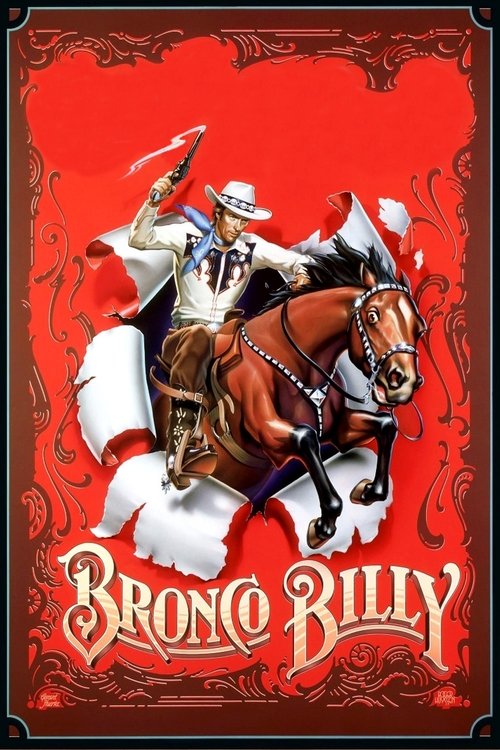
Bronco Billy (1980)
Directed by Clint Eastwood
No · Ultra Based
How we score movies →Consciousness Markers
The cast includes Scatman Crothers and other performers of color in ensemble roles, reflecting standard 1980s mainstream casting practices without any thematic emphasis on representation.
The ensemble cast includes performers of different racial backgrounds, but the film makes no thematic commentary on race or racial dynamics.
No LGBTQ+ themes, characters, or subtext are present in the film.
While Sondra Locke's character participates in the show, the film makes no statement about gender roles, feminism, or women's agency.
No climate-related themes, messaging, or environmental consciousness appears in the film.
The protagonist is an entrepreneur attempting to maintain his business; there is no critique of capitalism or 'eat the rich' messaging.
Bodies are presented without any particular consciousness about positivity, acceptance, or diversity of physical forms.
No neurodivergent characters or themes related to neurodiversity are present.
The film does not reframe historical events or engage in revisionist historical commentary.
The film contains no preachy moments designed to educate audiences about social issues or progressive values.


Synopsis
An idealistic, modern-day cowboy struggles to keep his Wild West show afloat in the face of hard luck and waning interest.
Why it received this score
Bronco Billy represents the kind of entertainment product that predates contemporary cultural consciousness by an entire generation. The film concerns itself with the practical difficulties of maintaining a small business and the interpersonal dynamics within a traveling show, not with the constellation of progressive sensibilities that would later become cultural flashpoints. Clint Eastwood's protagonist is an entrepreneur trying to preserve a traditional way of life against economic headwinds, a setup that would today invite critique from anti-capitalist perspectives, but here it simply provides narrative stakes. The presence of Scatman Crothers in the ensemble cast reflects the baseline racial integration of mainstream Hollywood cinema in 1980, not any conscious engagement with representation as a theme or value statement.
What distinguishes this film is its complete indifference to the frameworks through which we might measure cultural awareness. There is no feminist agenda expressed through Sondra Locke's character, who participates in the show's activities as a matter of plot rather than as any statement about gender roles. The ensemble includes performers of different racial backgrounds, but the film makes no commentary on this fact and asks audiences to notice nothing special about it. LGBTQ+ themes are absent. Climate concerns do not register. Bodies are presented without any particular consciousness about positivity or acceptance.
The five-point score reflects only the minimal racial diversity present in the cast, which was becoming standard in mainstream film by 1980. This is a period piece in the sense that it operates according to the entertainment logic of its era, which is to say it operates according to no particular social consciousness at all. For those seeking markers of contemporary progressive sensibility, this film offers nothing but the honest blank slate of commercial entertainment.
Analysis generated by our Consciousness Algorithm
Critic Reviews
“Clint Eastwood's most entertaining film in years, a whimsical fable about a Wild West showman with a dream of turning his rag-tag employees into one big happy family. Great country music mixed with Eastwood's natural charm. [11 July 1980, p.8]”
“Bronco Billy is an odd salute to those clean hearted good guy cowboys like Gene Autry and Roy Rogers, and Clint manages to revel in the glory of that myth despite the fact that he is probably more responsible for making that kind of Western unworkable in modern cinema than anyone else I can think of. ”
“Basically, it's the charming tale of a New Jersey shoe-salesman who fantasises about being a cowboy, and takes a group of assorted weirdos on the road with a travelling show. Not a lot to it in terms of plot, but Eastwood manages to both undermine and celebrate his character's fantasy life, while offering a few gentle swipes at contemporary America (the Stars and Stripes tent sewn together by mental hospital inmates). Fragile, fresh, and miles away from his hard-nosed cop thrillers, it's the sort of film only he would, and could, make.”
“Casting Eastwood in a friendly, bumbling, light romantic lead is like asking Ethel Merman to sing a lullaby: in the end, nothing is forthcoming but overkill. Clint Eastwood was already famous for that. [16 June 1980]”